
#Industry News
The Environmental Advantages of Using Recyclable Ceramic Beads in Surface Finishing
Why sustainable manufacturers are turning to recyclable ceramic blasting media to reduce waste, save resources, and meet global environmental standards.
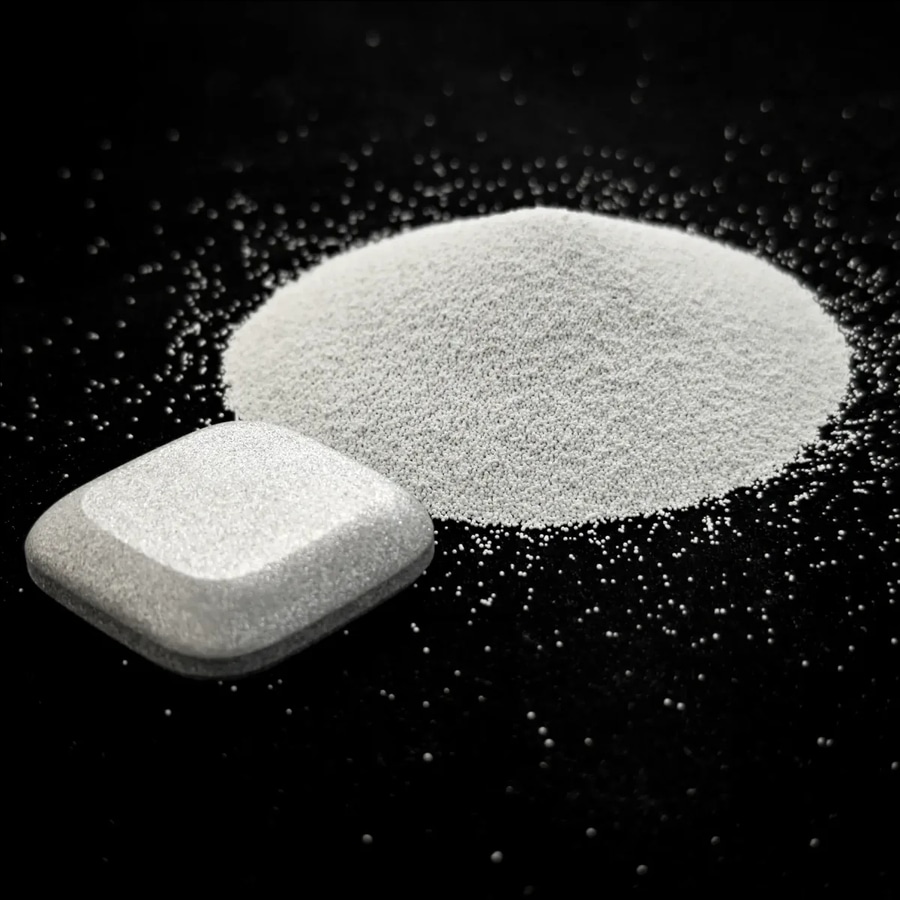
As industries around the world pivot toward more sustainable and responsible production models, surface finishing processes are also being re-examined through the lens of environmental impact. Traditionally, abrasive blasting has been associated with high material consumption, dust generation, and frequent media replacement. But that narrative is changing with the rise of recyclable ceramic beads—a cleaner, longer-lasting, and more eco-conscious alternative to conventional abrasives like sand, slag, and aluminum oxide.
Ceramic beads are not just known for their performance and precision—they also play a powerful role in helping manufacturers meet their environmental goals. From reducing landfill waste to lowering carbon emissions, the environmental advantages of using recyclable ceramic blasting media are both measurable and meaningful.
1. Extended Lifecycle = Less Waste
One of the key environmental benefits of ceramic beads is their exceptional durability. Unlike traditional abrasives that degrade rapidly and require frequent replenishment, ceramic beads can be reused hundreds of times without significant loss in performance.
br>
This extended life cycle results in:
* Drastically reduced consumption of blasting media
* Fewer shipments and packaging waste
* Lower overall resource extraction and processing
A typical ceramic bead may outlast glass beads by 30–50 times and steel grit by 10–15 times, offering not only operational efficiency but also a dramatic reduction in abrasive waste ending up in landfills.
2. Cleaner Operation, Less Air Pollution
Ceramic beads are engineered to have low friability, meaning they do not break down into fine dust as easily as other abrasives. This directly translates to:
* Lower airborne particulate emissions
* Safer, cleaner working environments
* Reduced need for air filtration and dust collection systems
Lower dust generation not only protects workers' health and equipment integrity but also significantly reduces secondary energy consumption for environmental control systems, contributing to lower carbon footprints.
3. Energy Efficiency in the Long Run
While ceramic beads may require more energy to manufacture initially due to sintering processes, their long operational life offsets this over time. Because they can be reused in many blasting cycles, the energy used per finished part is far lower compared to single-use abrasives.
This long-term energy efficiency leads to:
* Lower cumulative energy use across production batches
* Reduced frequency of material sourcing and transport
* Optimized machine uptime and process continuity
In lean or automated manufacturing lines, this adds up to considerable environmental and economic savings.
4. Supporting Circular Manufacturing Goals
As more manufacturers pursue circular economy strategies, recyclable materials like ceramic beads are perfectly aligned with this vision. Rather than following a linear use-and-dispose model, ceramic beads support a closed-loop surface treatment system where media is recovered, cleaned, and reused in a continuous cycle.
This contributes to:
* Decreased reliance on virgin raw materials
* More sustainable supply chains
* Enhanced traceability and process control
For companies aiming to meet ISO 14001 standards or corporate ESG commitments, ceramic blasting media offers a clear and compliant path forward.
5. Environmentally Safe Disposal
Even when ceramic beads reach the end of their usable life, their chemical inertness ensures that disposal is safer for the environment. Unlike slag-based media or chemically treated abrasives, ceramic beads:
* Do not leach harmful substances into soil or water
* Are non-toxic and non-reactive
* Can often be disposed of in regular industrial waste streams
This simplifies compliance with environmental regulations and minimizes hazardous waste handling procedures—especially important for industries operating in sensitive or regulated areas.
6. Meeting Global Environmental Standards
Many international OEMs and Tier 1 suppliers now require their vendors to demonstrate environmental responsibility throughout the supply chain. Choosing recyclable ceramic blasting media helps manufacturers align with:
* ISO 14001 Environmental Management Systems
* EU REACH and RoHS compliance
* Corporate ESG and carbon neutrality targets
* Industry-specific green certifications (e.g., LEED, EPEAT)
By incorporating ceramic beads into their finishing processes, manufacturers not only gain a competitive edge but also build trust with environmentally conscious clients and partners.
Conclusion: Sustainable Surface Finishing Starts with Smarter Media
Recyclable ceramic beads offer a compelling combination of environmental responsibility and high-performance functionality. In a time when manufacturers are being challenged to deliver quality with conscience, ceramic blasting media stands out as a practical, proven solution for achieving sustainability goals without compromising precision or productivity.
Whether your focus is reducing waste, improving air quality, or building a circular manufacturing process, ceramic beads help transform surface finishing from a necessary task into a strategic advantage.
Tags:
#CeramicBlastingMedia #SustainableManufacturing #RecyclableAbrasives #EcoFriendlyProduction #GreenEngineering #ZeroWasteFinishing #CircularEconomy #ISO14001 #ESGCompliance