#Industry News
Why cable jointing matters more than ever in renewable energy projects
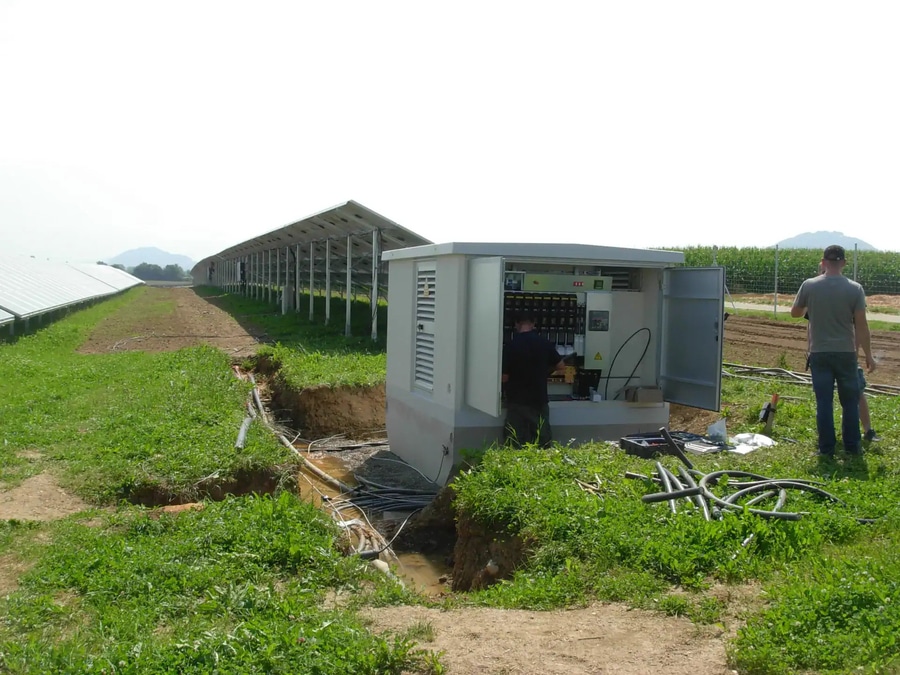
Wind farms, solar parks and battery energy storage systems (BESS) all depend on reliable medium-voltage grid connections. Yet cable joints are often overlooked until they fail.
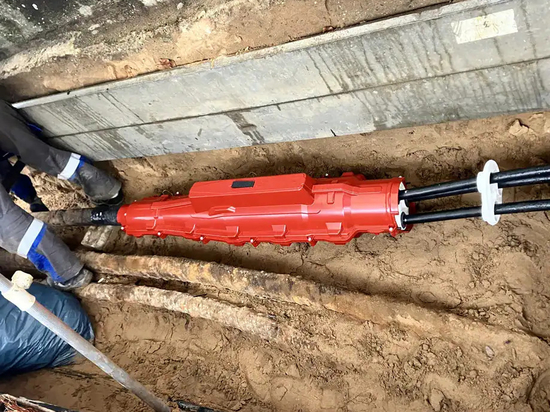
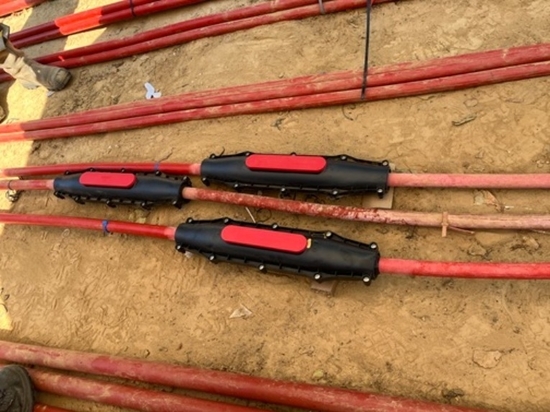
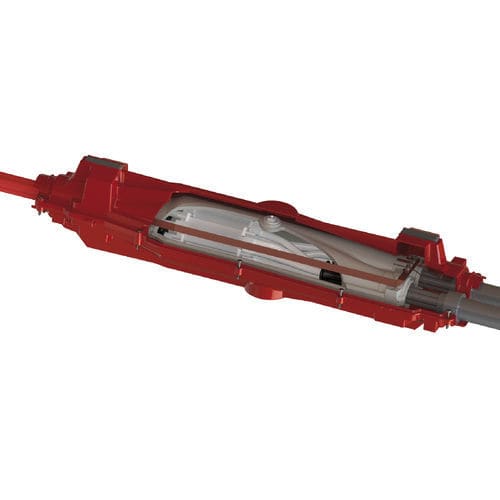
Renewable energy projects are placing increasing demands on medium-voltage cable systems. Wind farms, solar parks and battery energy storage systems (BESS) require reliable grid connections that can withstand changing load patterns, thermal cycling and demanding installation environments. Cable joints play a critical role in maintaining electrical continuity, mechanical protection and long-term network performance. As renewable energy generation continues to grow, project developers, EPC contractors and grid operators face increasing pressure to deliver connections faster while maintaining high levels of reliability. Installation schedules are becoming shorter, network layouts are becoming more complex and power flows are becoming less predictable. Under these conditions, cable joint performance becomes a key factor in overall project success.
Common challenges include connecting different cable types, dealing with fluctuating electrical loads, managing thermal cycling and ensuring long-term reliability in environments where maintenance access is limited. Poor cable joint selection or installation can lead to outages, expensive repairs and delays to project commissioning.
Modern renewable energy projects therefore require cable jointing solutions that support grid expansion, renewable integration and future network demands. Whether the application involves solar farms, wind farms, BESS installations or utility grid reinforcement projects, selecting the right cable joint technology contributes directly to network reliability and operational performance.
Learn more about the challenges, technologies and solutions used in modern renewable energy cable networks on the Lovink website.