#Product Trends
thermal textile glass fiber needle mat
glass fiber needle mat
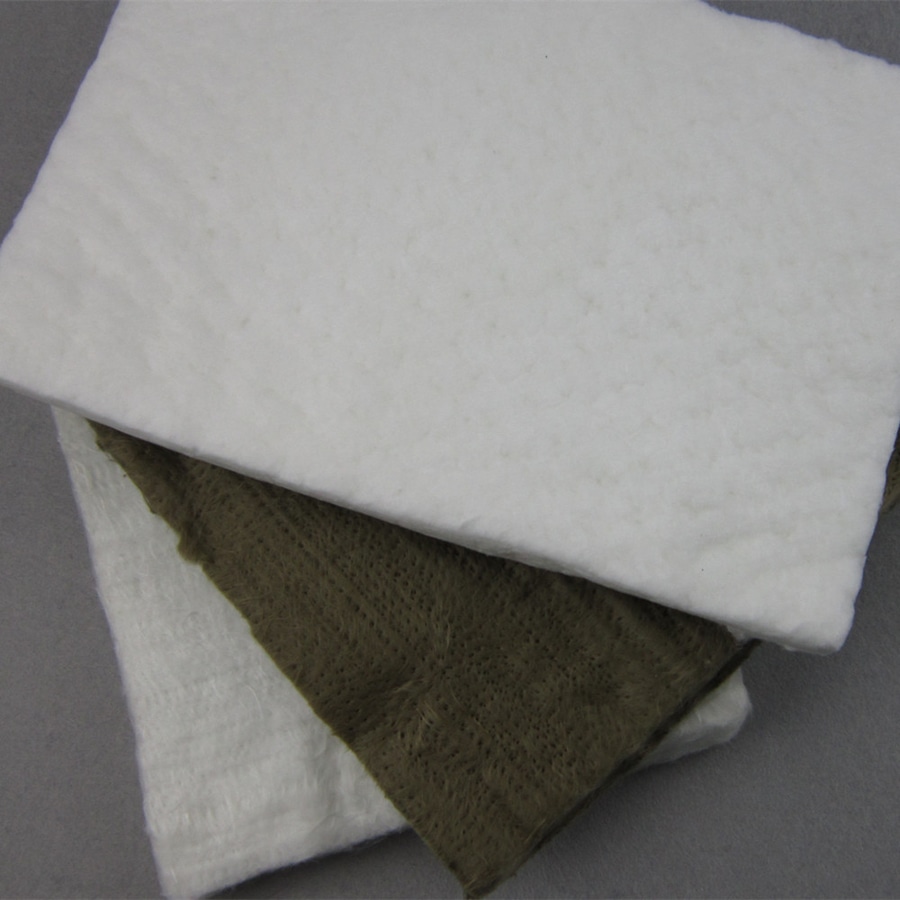
A glass fiber needle mat is a specialized non-woven material composed of intertwined glass fibers, manufactured using a needle-punching process. Here's a detailed breakdown of its characteristics, applications, and considerations:
Manufacturing Process
Needle Punching: Barbed needles mechanically entangle glass fibers into a cohesive mat. This process creates a 3D structure without binders, enhancing structural integrity through fiber interlocking.
Materials: Made from fine glass fibers (typically silica-based), which are carded into a web before needling.
Key Properties
Thermal Resistance: Withstands high temperatures (up to 500–700°C, depending on fiber type), making it ideal for insulation.
Chemical Inertness: Resists corrosion from acids, alkalis, and solvents.
Low Thermal Conductivity: Effective for heat insulation.
Acoustic Insulation: Dampens sound due to its fibrous structure.
Mechanical Strength: Offers isotropic strength (uniform in all directions) due to random fiber orientation.
Applications
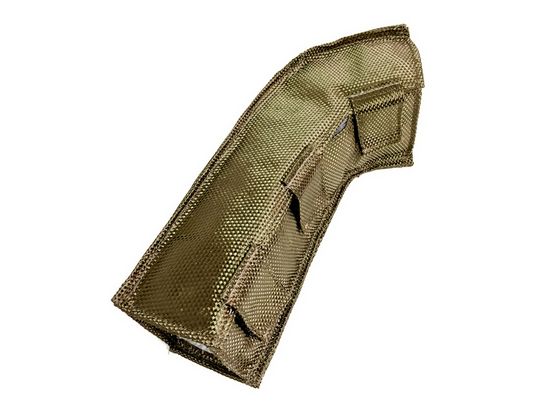
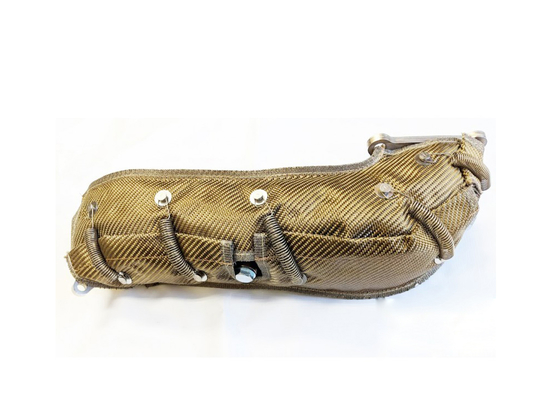
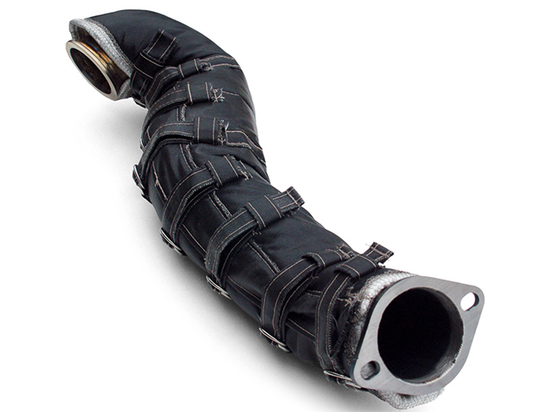
Industrial Insulation: Used in exhaust systems, pipelines, and furnaces.
Filtration: Serves in high-temperature air or liquid filters.
Composite Reinforcement: Acts as a preform in resins/plastics for automotive/aerospace parts.
Fire Protection: Fire barriers in construction and transportation.
Gaskets/Seals: Resistant to heat and chemicals in machinery.
Advantages
Binder-Free Options: Suitable for extreme temperatures where binders might degrade.
Customizability: Adjustable density, thickness, and fiber composition for specific needs.
Lightweight: Compared to metal or ceramic insulation.
Considerations
Health/Safety: Fibers can irritate skin/lungs; use PPE (gloves, masks) during handling.
Durability: May require coatings for abrasive environments.
Cost: Generally affordable but varies with specifications.
Industry Examples
Producers: Owens Corning, Johns Manville, Saint-Gobain.
Use Cases: Exhaust wraps, battery separators, catalyst substrates.
Comparison to Other Glass Fiber Products
Chopped Strand Mat (CSM): Uses binders, less thermal resistance.
Woven Fabrics: Directional strength vs. isotropic in needle mats.
Environmental Impact
Recyclability: Glass fibers are recyclable but require specialized processes.
Durability: Long lifespan reduces replacement frequency.
In summary, a glass fiber needle mat is a versatile material prized for its thermal, chemical, and mechanical resilience, widely used in high-performance industrial and commercial applications.