#Product Trends
What Is Kevlar Netting and How Is It Used in Industrial Applications?
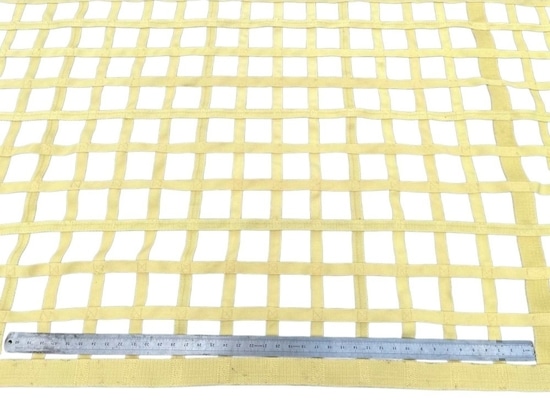
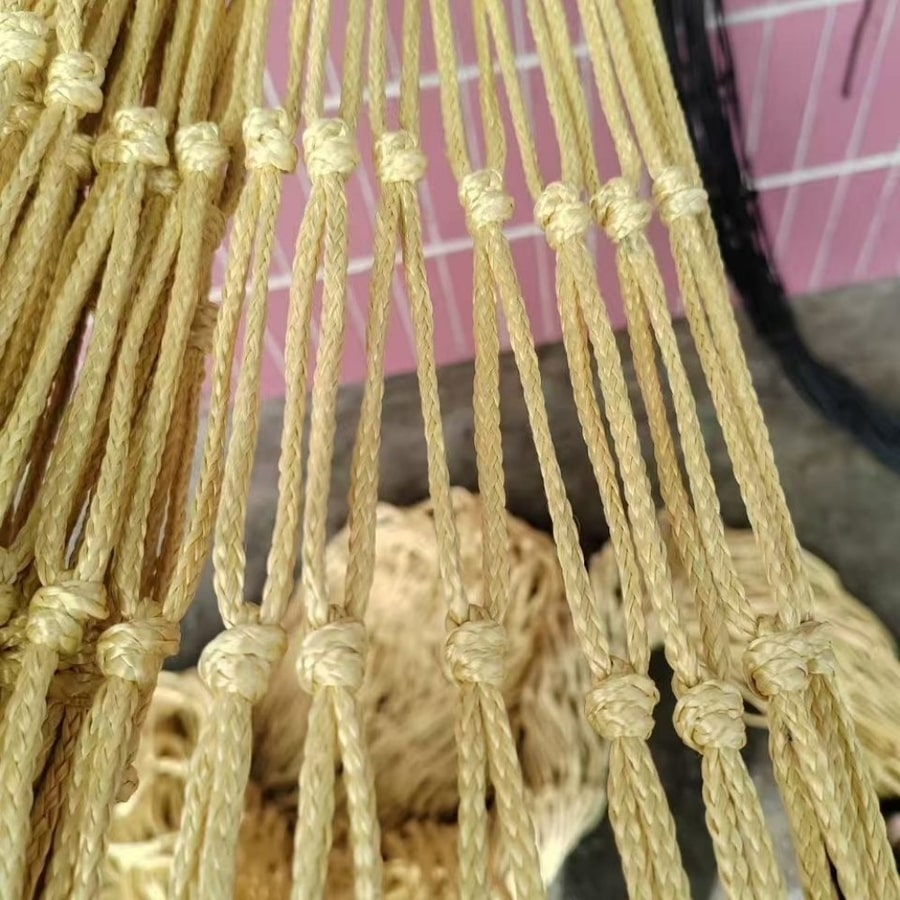
Kevlar Netting
When engineers need a lightweight material with exceptional strength, impact resistance, and durability, Kevlar netting has become one of the preferred reinforcement solutions across advanced industrial applications.
Unlike traditional metal mesh or fiberglass reinforcement materials, Kevlar netting combines high tensile strength, low weight, flexibility, and excellent fatigue resistance, making it suitable for applications where performance and weight reduction are critical.
Also known as aramid netting, this type of reinforcement mesh is widely used in composite manufacturing, protective structures, automotive components, aerospace systems, and industrial engineering applications.
What Is Kevlar Netting?
Kevlar netting is a woven or knitted mesh structure manufactured from para-aramid fibers, a high-performance synthetic fiber known for its exceptional mechanical properties.
Kevlar is a commercial name commonly associated with para-aramid fiber technology. In industrial applications, the general material category is often referred to as aramid fiber.
The unique molecular structure of aramid fibers provides:
Extremely high tensile strength
Excellent strength-to-weight ratio
High resistance to impact and abrasion
Good dimensional stability
Long-term fatigue resistance
By converting these fibers into a netting structure, manufacturers create a lightweight reinforcement material that can distribute loads efficiently across a larger surface area.
How Does Kevlar Netting Work?
The key advantage of Kevlar netting comes from its engineered mesh structure.
Unlike solid sheets, the open mesh design allows the material to provide reinforcement while maintaining:
Low weight
Flexibility
Resin penetration capability
Improved stress distribution
The interconnected fiber network helps transfer mechanical loads throughout the structure.
When external forces are applied, the aramid fibers absorb and distribute stress, reducing the risk of cracking, tearing, or structural failure.
Advantages of Kevlar Netting Structure
1. High Strength With Low Weight
One of the main reasons engineers choose Kevlar netting is its outstanding strength-to-weight ratio.
Compared with traditional reinforcement materials, Kevlar provides:
Similar or higher mechanical performance at lower weight
Reduced overall component mass
Improved efficiency in lightweight designs
This makes it especially valuable in industries where weight reduction directly affects performance.
Typical applications include:
Aerospace components
Automotive lightweight structures
Composite panels
High-performance equipment
2. Excellent Impact and Abrasion Resistance
Kevlar fibers are well known for their ability to withstand mechanical stress.
Kevlar netting provides protection against:
Impact forces
Repeated friction
Surface damage
Mechanical fatigue
This makes it suitable for applications where materials are exposed to continuous movement or harsh operating conditions.
3. Flexible Reinforcement Solution
Compared with rigid reinforcement materials, Kevlar netting can adapt to complex shapes.
Benefits include:
Easy forming around curved surfaces
Compatibility with composite manufacturing processes
Reduced installation difficulty
Improved design flexibility
Engineers can integrate Kevlar mesh into structures without significantly increasing thickness or weight.
Kevlar Netting vs Traditional Reinforcement Materials
Property Kevlar Netting Fiberglass Mesh Metal Mesh
Weight Very lightweight Medium Heavy
Tensile Strength Excellent Good Excellent
Impact Resistance Excellent Moderate Good
Fatigue Resistance Excellent Moderate Good
Corrosion Resistance Excellent Good Depends on metal type
Flexibility High Medium Low
Weight Reduction Potential Excellent Moderate Limited
Kevlar netting is often selected when engineers require a combination of strength, flexibility, and lightweight performance.