#Product Trends
How to Choose the Right Braided Aramid Sleeve Size for Cable Harness Protection
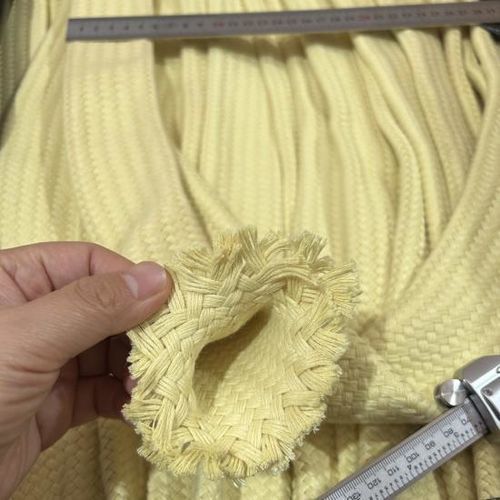
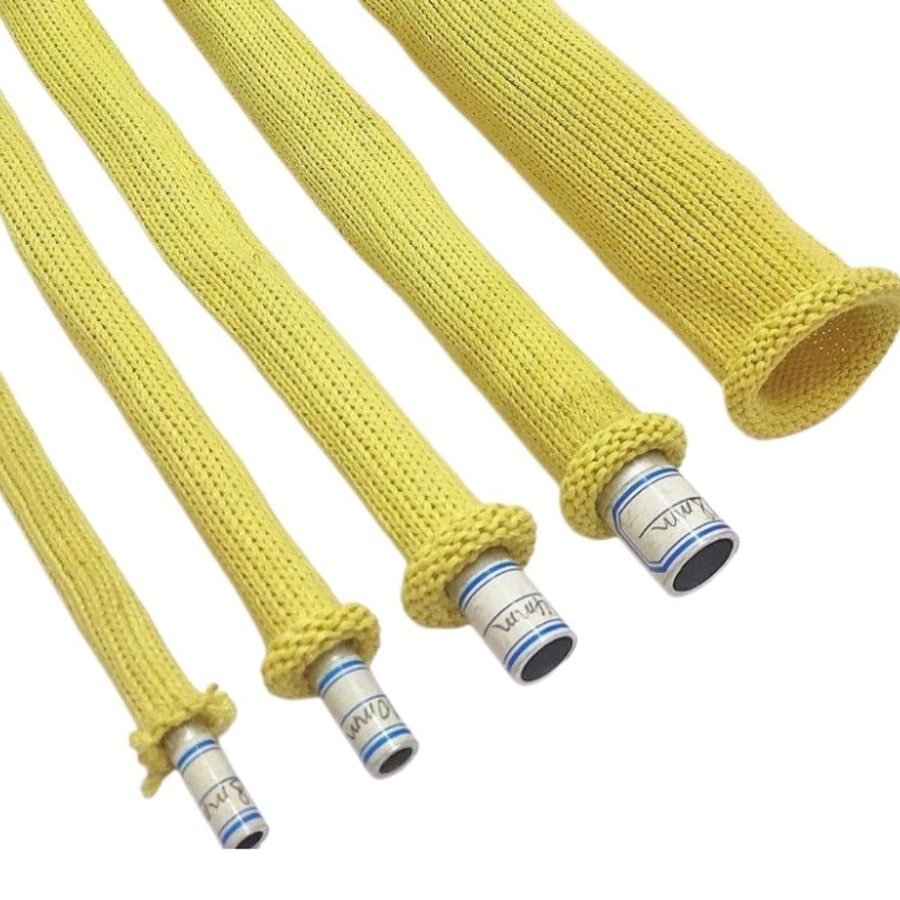
aramid sleeve
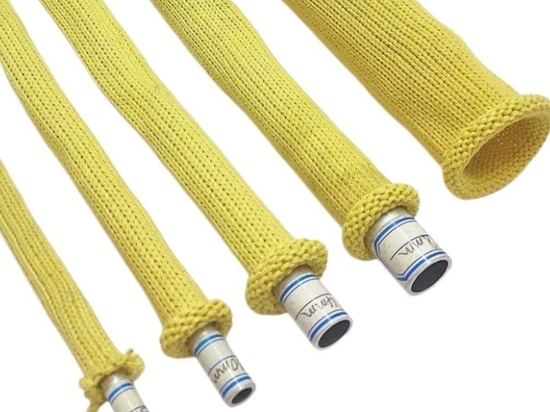
Selecting the correct size of a braided aramid sleeve is critical for achieving reliable cable harness protection. An improperly sized sleeve may reduce abrasion resistance, create installation difficulties, or prevent the cable system from achieving the expected service life.
For OEM wire harness manufacturers, automotive suppliers, and industrial equipment designers, sleeve selection should be based on engineering factors including cable diameter, expansion capability, wall thickness, installation conditions, and termination method.
This guide explains how to select the correct braided aramid sleeve size for different cable protection applications.
1. Diameter Selection Rule: Match Sleeve Size With Cable Bundle Diameter
The first step in selecting an aramid sleeve is determining the outside diameter (OD) of the cable bundle or component being protected.
The sleeve should not be selected only according to the cable diameter. Engineers must consider:
Cable bundle size
Connector dimensions
Routing angle
Required flexibility
Installation clearance
Basic Selection Principle
For a tight protective fit:
Select a sleeve inner diameter slightly smaller than the cable bundle diameter.
The braided structure will expand during installation and provide a secure fit.
For easier installation or frequent maintenance:
Select a sleeve inner diameter slightly larger than the cable bundle diameter.
This allows easier insertion and removal.
Recommended Sizing Guide
Cable Bundle Diameter Recommended Braided Aramid Sleeve Size
5–8 mm 6–10 mm sleeve
8–15 mm 10–20 mm sleeve
15–25 mm 20–30 mm sleeve
25–40 mm 30–50 mm sleeve
Large harness assemblies Custom diameter available
For OEM applications, custom dimensions are often preferred because harness geometry varies significantly between different equipment designs.
2. Understanding Expansion Ratio of Braided Aramid Sleeves
One major advantage of braided construction is its ability to expand.
Unlike rigid plastic tubing, braided aramid sleeves can adjust their diameter according to the cable shape.
The expansion capability depends on:
Braiding angle
Fiber tension
Sleeve diameter
Yarn construction
Why Expansion Ratio Matters
A higher expansion capability allows the sleeve to:
Pass over connectors
Cover irregular cable shapes
Adapt to complex wiring routes
Reduce installation time
However, maximum expansion should not be used continuously because excessive stretching can reduce coverage density and abrasion protection.
3. How Wall Thickness Affects Performance
Wall thickness is an important engineering parameter that directly affects protection performance.
A thicker aramid sleeve provides:
Higher Mechanical Protection
Suitable for:
Heavy vibration
Metal edge contact
Industrial machinery
Construction equipment
Advantages:
Increased abrasion resistance
Improved cut resistance
Longer service life
Better Thermal Protection
A thicker fiber structure provides:
More insulation distance
Reduced heat transfer
Improved protection near heat sources
Applications:
Engine compartments
Exhaust areas
Industrial heating equipment
However, increased wall thickness also affects:
Flexibility
Weight
Installation space
Minimum bending radius
Therefore, engineers should balance protection requirements with available installation space.
4. Installation Method for Braided Aramid Sleeves
Proper installation ensures maximum performance.
Step 1: Measure the Cable Assembly
Measure:
Maximum cable bundle diameter
Connector size
Routing length
Bend areas
Do not measure only the straight cable section because connectors often determine sleeve size.
Step 2: Cut Sleeve Length
When cutting braided aramid sleeves:
Add additional length for routing bends
Consider diameter expansion effects
Avoid excessive compression
The sleeve should cover the protection area completely without creating tension points.
Step 3: Install Over Cable Harness
During installation:
Compress the sleeve lengthwise to increase diameter
Insert the cable harness
Release compression
Allow the sleeve to tighten around the cable
This natural expansion and contraction creates a secure fit.
5. Termination Methods for Braided Aramid Sleeves
The sleeve ends must be properly secured to prevent fiber loosening and maintain long-term durability.
Common termination methods include:
Heat Shrink Tube
Suitable for:
Automotive wiring harnesses
Electrical assemblies
Clean appearance requirements
Advantages:
Professional appearance
Sealed end protection
Easy installation
Cable Ties
Suitable for:
Industrial equipment
Prototype assemblies
Maintenance applications
Advantages:
Low cost
Simple installation
Easy replacement
Clamps and Ferrules
Suitable for:
Heavy machinery
Hydraulic systems
High vibration environments
Advantages:
Strong mechanical fixing
Long-term stability
Adhesive or Resin Bonding
Used in:
Aerospace applications
Specialized industrial assemblies
Advantages:
Permanent fixing
High reliability
6. Choosing the Correct Aramid Sleeve According to Application
Application Recommended Considerations
Automotive engine harness High temperature resistance, vibration protection, flexible routing
EV battery wiring Lightweight construction, abrasion protection, electrical system reliability
Robotics cable systems High flexibility, repeated movement resistance
Aerospace wiring Lightweight, flame resistance, long service life
Heavy machinery Maximum abrasion and mechanical protection
7. Common Mistakes When Selecting Aramid Sleeve Size
Choosing Too Small
Problems:
Difficult installation
Excessive fiber stress
Reduced flexibility
Lower protection coverage
Choosing Too Large
Problems:
Loose fit
Reduced abrasion protection
Increased movement inside sleeve
Poor appearance
Ignoring Connector Size
Many installation problems occur because engineers measure only the cable diameter.
The sleeve must also accommodate:
Electrical connectors
Terminals
Junction points
Harness branches