#Product Trends
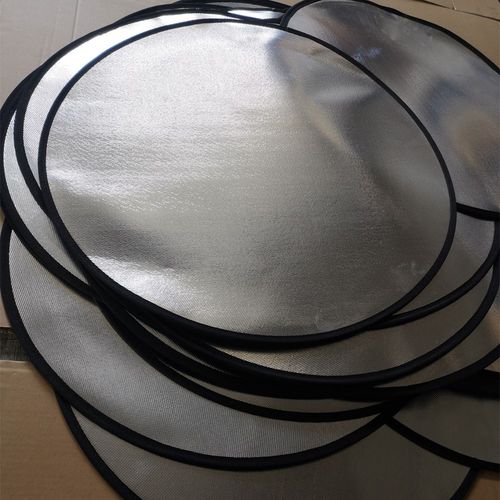
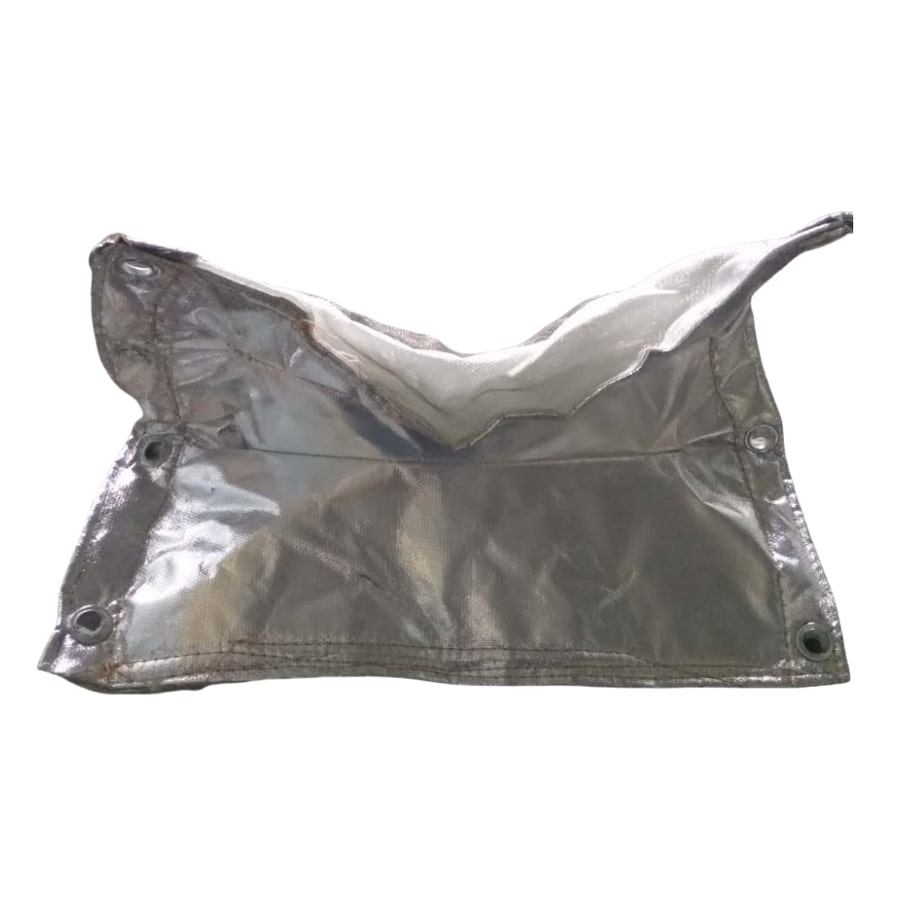
Silicone fiberglass Plumber Soldering Mat and vermiculite fiberglass Plumber Soldering Mat
Plumber Soldering Mat
Comparison of Silicone Fiberglass and Vermiculite Fiberglass Plumber Soldering Mats
Temperature Resistance:
Silicone Fiberglass: Typically withstands up to 500°F (260°C), suitable for standard soldering (e.g., propane torch work on copper pipes).
Vermiculite Fiberglass: Handles extreme heat up to 2000°F (1093°C), ideal for high-temperature tasks like brazing or industrial applications.
Durability & Flexibility:
Silicone: Flexible, tear-resistant, and long-lasting under mechanical stress. Conforms to uneven surfaces and resists cracking.
Vermiculite: More rigid and brittle; may crack or flake with frequent handling but offers superior insulation.
Chemical & Liquid Resistance:
Silicone: Resistant to oils, solvents, and moisture; easy to wipe clean.
Vermiculite: Porous structure may absorb liquids, leading to potential degradation if not maintained.
Weight & Portability:
Silicone: Lightweight and easy to transport, suitable for mobile plumbers.
Vermiculite: Generally heavier but still manageable due to vermiculite's low density when exfoliated.
Safety:
Silicone: May emit toxic fumes if overheated beyond its rating. Ensure use within specified limits.
Vermiculite: Naturally inert and asbestos-free in modern products; safe at high temps without fume risks.
Cost & Longevity:
Silicone: Higher initial cost but cost-effective over time due to durability.
Vermiculite: Often cheaper upfront but may require replacement sooner if subjected to physical stress.
Applications:
Silicone: Best for routine plumbing, moderate temps, and environments requiring flexibility.
Vermiculite: Preferred for high-heat scenarios (e.g., brazing) or as static insulation pads.
Recommendation: Choose silicone fiberglass for general plumbing soldering needs, prioritizing flexibility and durability. Opt for vermiculite fiberglass when extreme heat resistance is critical, accepting trade-offs in flexibility and maintenance. Always verify temperature requirements and handle mats within their rated limits for safety.