#Product Trends
How to Choose a Hydraulic Hose Protection Sleeve by Temperature, Abrasion and Installation
A practical guide to selecting the right hose protection sleeve based on heat exposure, wear conditions, and installation requirements.
Hydraulic hoses work in demanding environments where external damage is often just as serious as pressure failure inside the hose. In construction machinery, mining equipment, agricultural systems, steel plants, foundries, and mobile hydraulic units, hoses are exposed to abrasion, radiant heat, molten splash, vibration, impact, weathering, and repeated movement. Choosing the right hydraulic hose protection sleeve helps reduce premature hose wear, improve service life, and support safer system operation.
The correct sleeve is not selected by material name alone. It should be chosen according to three practical factors: temperature exposure, abrasion severity, and installation condition.
1. Start with Temperature Exposure
Temperature is usually the first screening factor because not all hose protection products are designed for the same type of heat.
Low to moderate temperature environments
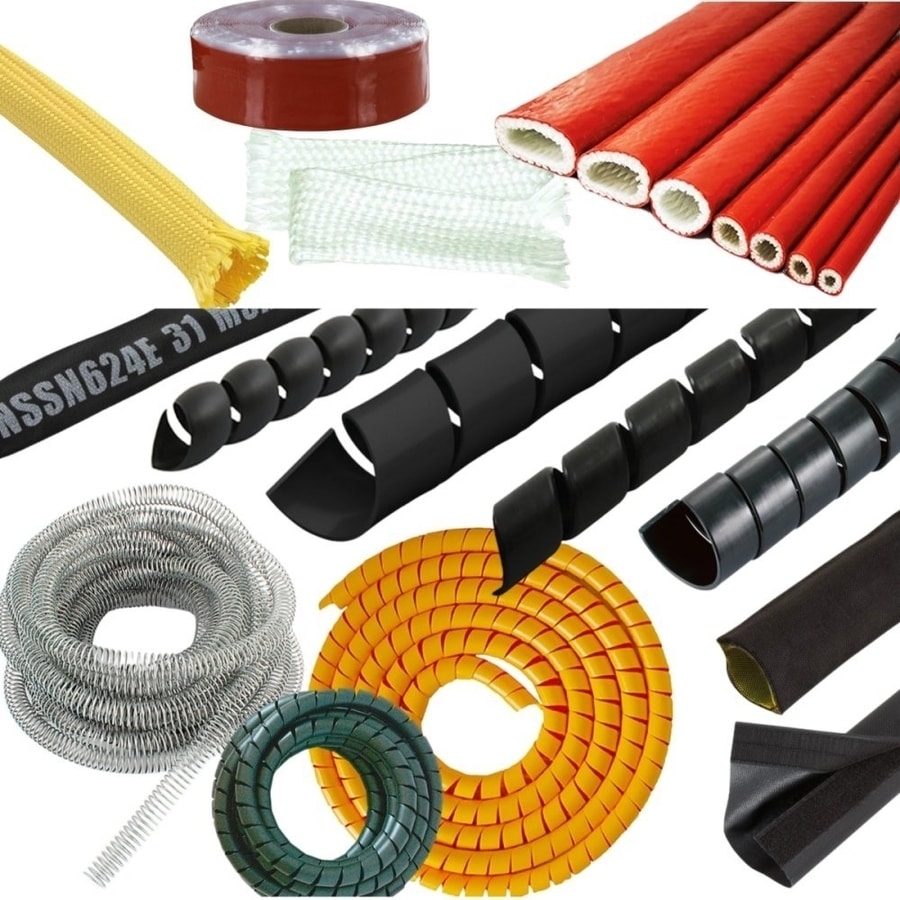
If the main risk is general wear, rubbing, bundling, or light mechanical contact, and the hose is not routed near extreme heat sources, a standard abrasion protection sleeve is often sufficient. Textile sleeves made from nylon or polyester are common options for this type of duty.
These sleeves are suitable when the goal is mainly to:
reduce surface wear
organize hose bundles
prevent rubbing against nearby components
improve protection in normal industrial environments
High radiant heat environments
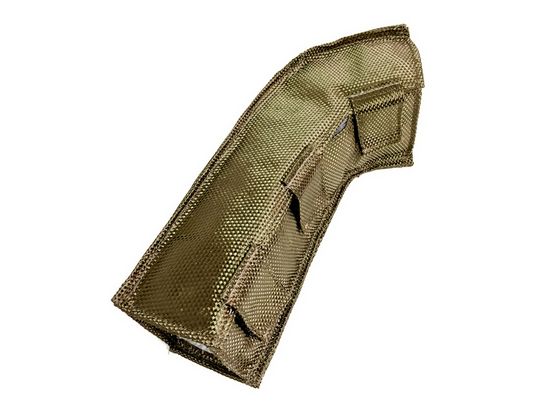
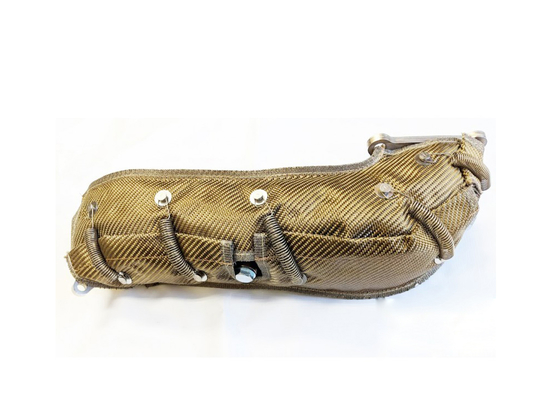
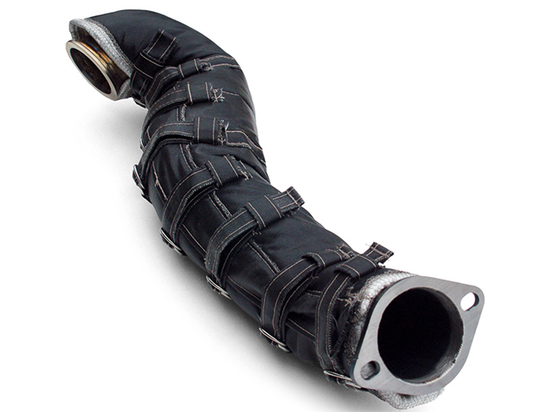
When hydraulic hoses run close to engines, exhaust systems, hot surfaces, heat exchangers, or other elevated-temperature areas, the protection sleeve must provide more than abrasion resistance. In these cases, heat-reflective or high-temperature sleeves are more appropriate.
A sleeve designed for radiant heat protection may be needed when:
hose routing passes near hot metal surfaces
the equipment operates in enclosed engine compartments
heat buildup can accelerate hose aging
operators need additional thermal shielding around sensitive lines
Flame, molten splash, and extreme heat exposure
In steel mills, foundries, glass plants, welding zones, and other severe thermal environments, a high-temperature fire sleeve is usually the better choice. A silicone-coated fiberglass fire sleeve is commonly used where hydraulic hoses must be protected from flame, molten splash, and intense heat exposure.
This type of sleeve is generally selected when:
sparks or molten metal may contact the hose
open flame or flash heat is possible
the hose must maintain better protection in harsh thermal conditions
safety requirements are higher than standard abrasion control
In short, if temperature risk increases, the sleeve must move from basic abrasion protection to thermal protection or fire protection.
2. Evaluate the Level of Abrasion
Abrasion is one of the most common causes of hose cover damage. Even when temperatures are not extreme, repeated rubbing can shorten hose life quickly.
Light abrasion
For light abrasion, a flexible textile sleeve is often enough. This is common in systems where hoses touch nearby components occasionally, or where bundling and basic cover protection are the main requirements.
Typical applications include:
compact machinery
agricultural hydraulic lines
general industrial equipment
hose bundles in controlled routing areas
Medium to heavy abrasion
If the hose is exposed to frequent rubbing, dragging, vibration, or movement against metal edges, brackets, or adjacent hoses, a stronger abrasion-resistant sleeve should be chosen.
For these conditions, buyers often look for:
thicker textile sleeves
tightly woven protection sleeves
higher-strength yarn constructions
specialized abrasion-resistant hose protection products
Impact and external mechanical contact
Where hoses may be hit by debris, dragged across rough surfaces, or exposed to repeated external contact, the protection requirement becomes more severe. In these situations, the buyer may need to consider a more robust protection style, such as reinforced textile sleeves or alternative guards depending on routing and service conditions.
The key point is simple:
the more hose movement and external rubbing there is, the higher the abrasion performance requirement becomes.
3. Consider the Installation Method
A sleeve that performs well in theory may still be the wrong choice if it is difficult to install on the actual hose assembly. Installation is one of the most overlooked selection factors.
Slip-on sleeves
Slip-on sleeves are ideal when the hose protection is installed before final assembly or when the hose ends allow the sleeve to pass over easily. This type is often chosen by OEMs and hose assembly manufacturers because it provides a clean fit and continuous coverage.
Slip-on sleeves are suitable when:
the hose assembly is being built from the start
fittings are not yet installed
full-length coverage is needed
the goal is a neat and secure sleeve fit
Wrap-around or hook-and-loop sleeves
When existing hoses are already installed in the machine, removal may be difficult, time-consuming, or impractical. In retrofit situations, wrap-around sleeves or hook-and-loop closure sleeves are often the more efficient solution.
They are especially useful when:
the hose is already connected in the equipment
field maintenance must be done quickly
the hose routing is complex
disassembly costs are high
Spiral or external wrap solutions
In some applications, especially where fast field installation and localized external protection are required, spiral-type guards or wrap-style protectors may be preferred. These are often selected when the main concern is external wear rather than full thermal shielding.
Installation choice should therefore match the service reality:
new build = slip-on solutions often work best
retrofit / maintenance = wrap-around or hook-and-loop styles are often more practical
4. Match the Sleeve Material to the Working Condition
After temperature, abrasion, and installation have been reviewed, the sleeve material can be matched more accurately.
Nylon sleeve
Nylon sleeves are often used for abrasion protection in hydraulic and industrial applications. They are a practical choice for hose bundling, wear prevention, and general mechanical protection.
Polyester sleeve
Polyester sleeves are also widely used for hose protection and are often selected for stable general-purpose abrasion protection in industrial environments.
Aramid sleeve
Aramid-based protection sleeves are typically chosen when higher strength and improved thermal resistance are needed compared with standard textile materials.
Fiberglass or silicone-coated fiberglass fire sleeve
This is the preferred direction when heat, flame, and molten splash are major concerns. It is commonly used for hydraulic hose fire protection in severe industrial and mobile equipment environments.
No single material is “best” for every job. The correct selection depends on the actual failure risk around the hose.
5. Choose According to the Application Environment
Different industries create different protection priorities.
Construction equipment
Excavators, loaders, cranes, and other mobile equipment often require protection against abrasion, vibration, external rubbing, and outdoor exposure. In many cases, abrasion-resistant sleeves or wrap-style protectors are used.
Mining equipment
Mining applications often involve severe abrasion, dirt, movement, and harsh operating conditions. Hose protection in this sector usually requires tougher wear resistance and reliable installation performance.
Agriculture machinery
Agricultural systems often need a balance of abrasion protection, flexibility, weather resistance, and economical installation for mobile hydraulic lines.
Steel mills and foundries
These environments place far greater emphasis on heat, flame, and molten splash resistance. Fire sleeve solutions are often the more appropriate choice here.
Industrial hydraulic systems
For stationary or semi-stationary industrial systems, sleeve selection may focus on hose organization, abrasion control, maintenance access, and local heat exposure.
6. Ask These Questions Before Choosing
Before selecting a hydraulic hose protection sleeve, buyers should confirm:
Is the main risk heat, abrasion, or both?
Is the hose exposed to flame, molten splash, or only radiant heat?
Does the hose move constantly during operation?
Is the sleeve for a new hose assembly or retrofit installation?
Is flexibility more important than heavy-duty wear resistance?
Does the application require quick field installation?
Is the hose used in construction, mining, agriculture, steel, or general industry?
The more clearly these questions are answered, the more accurate the sleeve selection will be.
Conclusion
Choosing a hydraulic hose protection sleeve is not just a matter of picking a material or matching a hose diameter. The right solution should be based on temperature exposure, abrasion severity, and installation method.
For general wear protection, abrasion-resistant textile sleeves are often suitable.
For high heat environments, heat-resistant sleeves are more appropriate.
For flame and molten splash protection, fire sleeves should be considered.
For retrofit work, wrap-around or hook-and-loop solutions can simplify installation significantly.
A well-chosen hydraulic hose protection sleeve helps improve hose durability, reduce maintenance frequency, and support safer operation in demanding hydraulic systems.