#Product Trends
How to Choose Ceramic Fiber Cloth for High-Temperature Insulation
Key selection factors for ceramic fiber cloth used in industrial high-temperature insulation, welding protection, and thermal shielding systems.
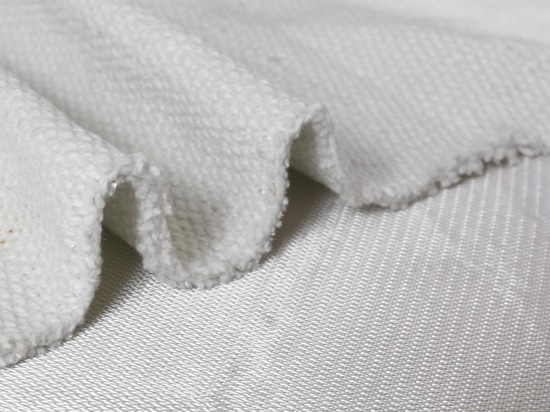
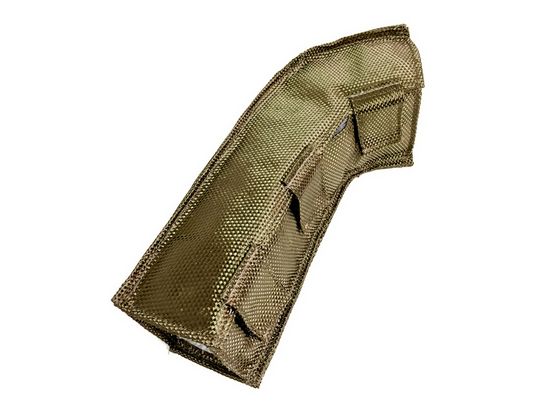
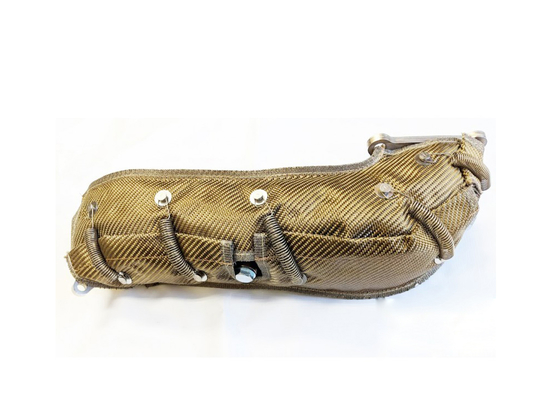
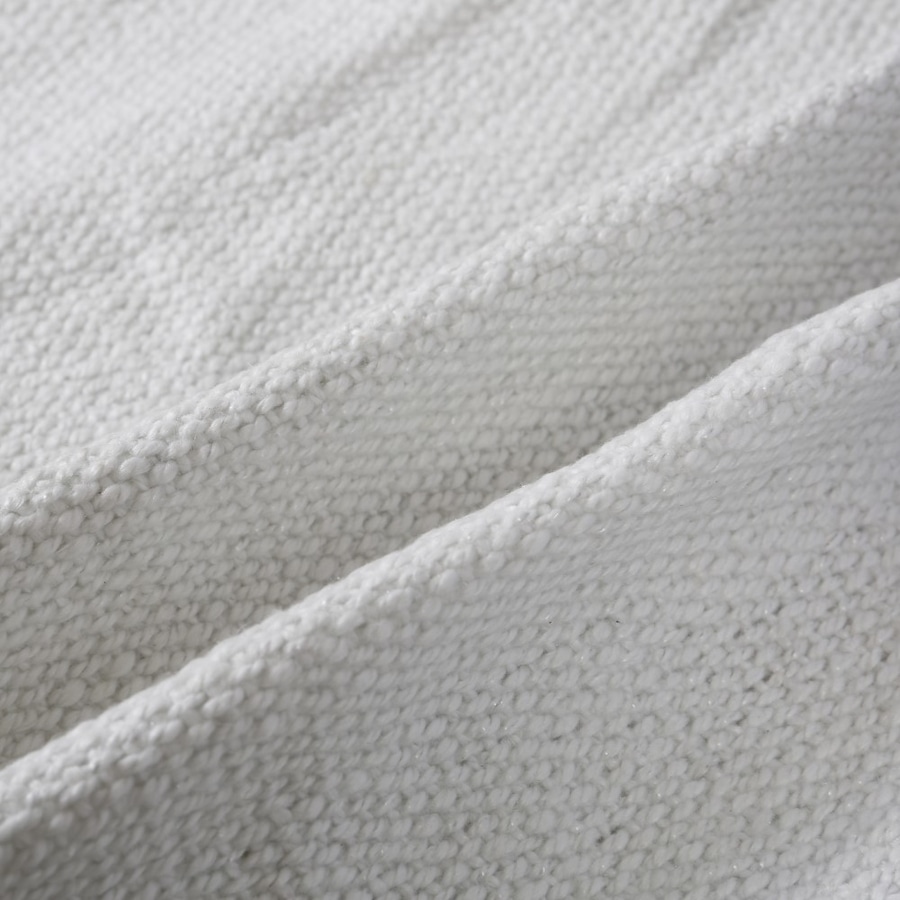
Ceramic fiber cloth is widely used in high-temperature industrial environments where conventional textile materials fail due to heat degradation, thermal shock, or mechanical breakdown. It is commonly applied in welding protection systems, furnace insulation, thermal barriers, equipment shielding, and industrial sealing solutions.
However, not all ceramic fiber cloths are the same. Selection should not be based only on temperature rating or material name. A proper choice depends on working temperature, reinforcement type, thickness, coating requirement, and installation conditions.
Understanding these parameters helps ensure reliable thermal performance, longer service life, and safer industrial operation.
1. Start with Working Temperature Requirements
The first and most critical selection factor is the actual thermal environment.
Moderate high-temperature applications
In environments with continuous heat exposure but no direct flame contact, standard ceramic fiber cloth is generally sufficient. These conditions are common in:
industrial thermal insulation systems
equipment surface protection
heat shielding applications
general furnace lining support materials
In such cases, the cloth acts primarily as a thermal barrier and insulation layer, reducing heat transfer to surrounding structures.
Extreme high-temperature applications
When exposure includes intense radiant heat, intermittent flame, or very high ambient temperatures, a higher-grade ceramic fiber construction is required. Typical applications include:
furnace doors and linings
welding protection curtains
molten metal splash protection
high-temperature sealing environments
In these conditions, selection must prioritize thermal stability and fiber integrity under continuous heat load.
2. Choose Reinforcement Based on Mechanical Stress
Ceramic fiber cloth is not only exposed to heat but also mechanical forces such as tension, vibration, and handling stress. Reinforcement plays a key role in structural stability.
Fiberglass reinforced ceramic fiber cloth
This type provides balanced flexibility and moderate tensile strength. It is suitable for:
flexible insulation covers
welding curtains
removable thermal blankets
general industrial protection systems
It is commonly selected when ease of installation and flexibility are required.
Metal wire reinforced ceramic fiber cloth
When higher mechanical strength is required, stainless steel or alloy wire reinforcement is used. This structure is more suitable for:
heavy-duty furnace insulation
high-vibration environments
industrial sealing under stress
applications requiring dimensional stability at high temperature
Wire reinforcement improves resistance to tearing and deformation under load.
3. Select Thickness According to Thermal Barrier Performance
Thickness directly influences thermal insulation efficiency and durability.
Thin ceramic fiber cloth (approx. 2 mm)
Higher flexibility
Easier cutting and installation
Suitable for layered insulation systems
Typical use:
surface wrapping
lightweight thermal shielding
welding protection layers
Thicker ceramic fiber cloth (approx. 3 mm or above)
Higher thermal resistance
Improved durability under harsh conditions
Better long-term insulation performance
Typical use:
furnace insulation systems
high-temperature equipment protection
heavy industrial shielding applications
In general, thicker materials provide better insulation performance but reduced flexibility.
4. Evaluate Coating and Surface Treatment Options
Surface treatment significantly affects durability, chemical resistance, and handling performance.
Common options include:
Vermiculite coating
Improves abrasion resistance
Enhances surface stability under heat exposure
Suitable for industrial friction environments
Aluminum foil lamination
Provides additional radiant heat reflection
Reduces heat absorption on exposed surfaces
Common in reflective thermal barrier systems
PSA (pressure-sensitive adhesive) backing
Enables direct installation
Reduces installation time
Suitable for flat surface applications
Coating selection should align with both thermal conditions and installation requirements.
5. Consider Application Environment
Selection must always be aligned with real industrial usage conditions.
Welding protection systems
Ceramic fiber cloth is widely used in welding curtains and welding blankets where protection against sparks, molten splash, and radiant heat is required.
Furnace and kiln insulation
Used as thermal lining material or flexible insulation wrap in high-temperature equipment.
Equipment protection
Applied on machinery surfaces where heat shielding and thermal isolation are necessary.
Sealing and gasket support
Used in expansion joints and high-temperature sealing areas where flexibility and heat resistance are both required.
Different applications require different balances between flexibility, insulation, and mechanical strength.
6. Decide Based on Installation Method
Installation conditions significantly affect product selection.
Cut-to-size installation
Used in custom insulation systems where ceramic fiber cloth is tailored to equipment dimensions. Flexibility and handling strength are important.
Wrap-around installation
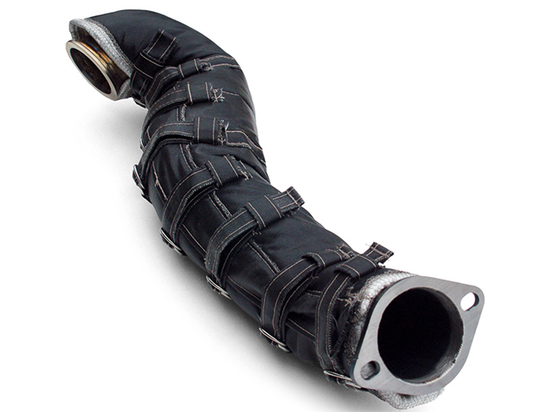
Used for pipe, duct, or equipment wrapping. Requires good flexibility and stable fiber structure.
Fixed panel or curtain systems
Used in welding curtains or industrial thermal barriers. Requires dimensional stability and reinforcement.
Installation method directly influences whether fiberglass reinforcement or wire reinforcement is more suitable.
7. Key Selection Checklist
Before selecting ceramic fiber cloth, confirm the following:
What is the continuous working temperature?
Is there direct flame, or only radiant heat?
Is mechanical stress or vibration present?
Is reinforcement required for structural stability?
Is coating needed for abrasion or heat reflection?
Is the application flexible (curtain/wrap) or fixed (panel/lining)?
Is installation permanent or removable?
A clear answer to these questions significantly improves selection accuracy.