#Industry News
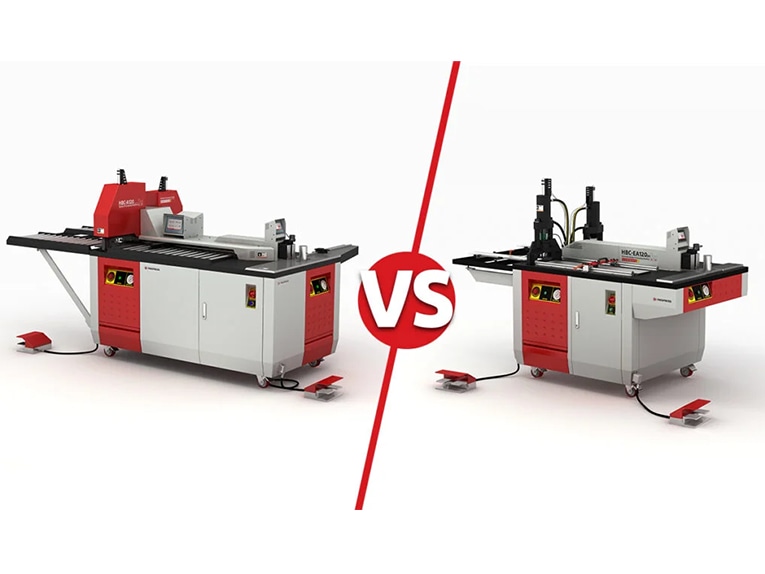
Economic vs Premium Busbar Machine: Where the Real Cost Is Decided
The purchase price is the smallest number in the decision — here is where the real cost hides.
The ROI gap between an economic and a premium busbar machine is not set at quotation — it is set after the purchase order is signed. The headline price is the smallest part of the picture. Over a five-to-seven-year service life, the apparent saving on an entry-level machine is eroded by four post-purchase cost categories that rarely appear on a spec sheet.
Four hidden costs that erode the saving
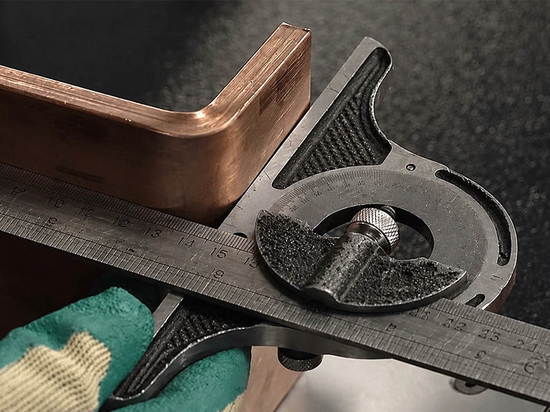
Rework. Entry-level machines typically hold a bend tolerance of ±1.5–2°. On certified switchgear panels, that is enough to generate inspection failures — and every non-conforming set carries rework labour, wasted material and re-inspection time. At a 20% rework rate on 100 panels a month, the monthly cost can run into thousands (illustrative estimate).
Tooling. Lower-grade punch dies and cutting blades wear faster. Even with cheaper per-unit tools, annual tooling cost on an economic platform is often 40–60% higher than on a premium one. Some entry-level machines also use proprietary tooling with single-source supply risk.
Downtime. Under sustained daily load, hydraulic systems, controls and frame tolerances on economic machines degrade faster. At a production value of a few hundred dollars per hour, a single four-hour breakdown is a four-figure event in lost output alone.
Throughput. Lower punching force or slower cycle times create a bottleneck. Whenever the machine is the limiting factor, labour cost per set rises.
Where the cost actually lands (illustrative)
Hidden cost category Economic machine Premium machine
Annual rework rate 20–25% 2–5%
Annual tooling cost Higher (faster wear) Lower (longer intervals)
Unplanned downtime (hrs/yr) 40–80 8–15
Production bottleneck Frequent Rare
Hidden cost, years 1–3 Often exceeds the price gap Absorbed by savings
Compare on total cost of ownership, not price
TCO = Purchase price + (tooling × years) + (service × years) + (rework × years) + (downtime × years) − residual value. Use a three-year window at minimum; five to seven years for capital equipment of this scale.
Then run the break-even: (Premium price − Economic price) ÷ (monthly saving from lower rework + lower downtime + lower tooling cost). Under 24 months, the premium machine wins ROI over a normal seven-to-ten-year equipment life. Over 36–40 months, re-examine whether your volume justifies it.
When each tier wins
The economic machine wins ROI at very low volume (under 20 sets per month), on LV-only work with loose clearance tolerances where ±1.5° is genuinely acceptable, and on short-term projects that will not run continuously beyond two to three years.
The premium machine wins ROI above roughly 60 sets per month, on certified switchgear demanding ±0.5° or better, on MV panels where an inspection failure carries high rework cost, and in workshops with contractual on-time delivery obligations.
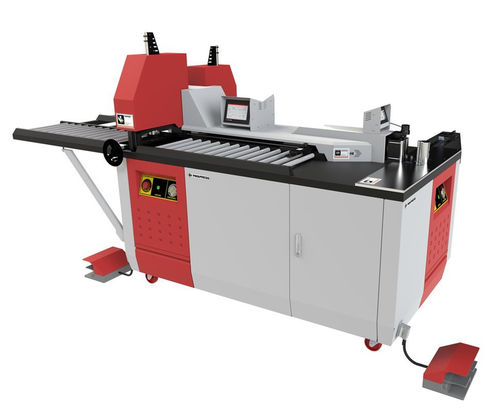
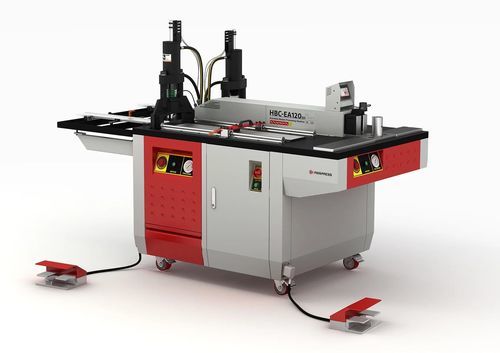
One clarification. In busbar machinery, "premium" does not simply mean CNC. The premium tier is the multifunctional busbar processing machine — punching, cutting and bending on one platform, with the accuracy sustained across the full production life.
Before you buy
Record your monthly volume and cross-section range, measure your current rework rate at inspection, add up twelve months of tooling spend, and multiply last year's unplanned downtime hours by your production value per hour. Run the break-even with those numbers — they are more persuasive than any specification sheet.
PAYAPRESS manufactures busbar processing machines from economic single-power-pack models to three-station premium platforms, for panel builders and switchgear manufacturers in over 70 countries. Request TCO documentation and a tooling cost schedule for your production profile before deciding.