#Industry News
Advanced optical sorting improves cullet purity and boosts glass recovery rates
Advanced optical sorting improves cullet purity and boosts glass recovery rates
As demand for high-quality cullet grows, improving its purity and optimising the glass recycling process has become a priority for the industry. Advanced optical sorting technologies help recycling plants recover cleaner glass streams, supporting the circular economy by turning glass into cullet and then back into new glass products while reducing the need for virgin raw materials.
Glass recycling is the process of collecting, sorting, crushing and melting waste glass to manufacture new containers and other glass products. It is one of the most effective examples of a circular economy, since glass is 100% recyclable and can be processed repeatedly without losing its original properties. According to the U.S. Environmental Protection Agency, only around 21% of the glass produced worldwide is recycled. Europe leads the way with average recovery rates above 80%, while the United States remains at approximately 31%.
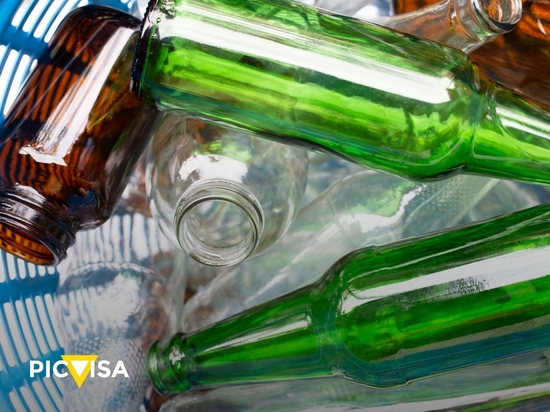
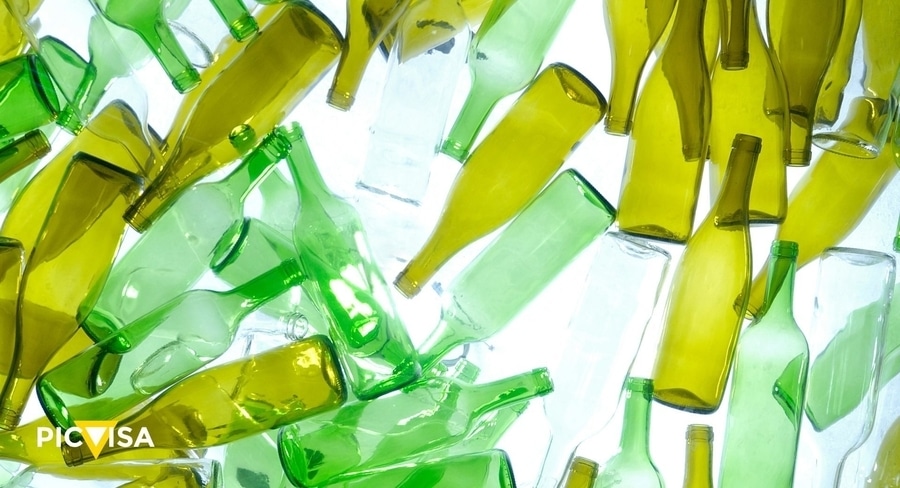
Glass furnaces require exceptionally pure raw materials, so modern glass recycling equipment must remove critical contaminants such as ceramics, porcelain, stones and metals before the glass can be remelted. Advanced optical sorting also separates glass by colour, ensuring the recovered material meets the quality standards required for new glass production. Automated technologies based on optical sensors, artificial intelligence and machine vision let a glass bottle recycling machine identify and separate glass fragments with high accuracy, helping plants produce furnace-ready cullet.
Common contaminants include ceramics, porcelain and stones, which have much higher melting points than glass and can cause defects if not removed before melting, and lead glass, found in mirrors and crystalware, which alters the chemical composition of recycled glass. Plastics, metals and heat-resistant borosilicate glass are also frequent contaminants, since none of them melt together with standard container glass.
Automating glass recycling with optical sorting brings clear advantages. Higher cullet purity allows recycled glass to be reused repeatedly without compromising its properties, while automatic contaminant detection reduces the need for manual inspection and removing unwanted materials before melting lowers energy consumption and CO2 emissions.
PICVISA develops optical sorting technologies that automatically separate, classify and purify glass waste on an industrial scale. For glass recycling, PICVISA offers ECOGLASS, a solution designed to recover and clean crushed glass, combining machine vision, near-infrared technology and colour recognition to sort green, amber and flint glass. Powered by AI and deep learning, ECOGLASS identifies dark-coloured glass and complex contaminants with high accuracy, and also detects lead glass and ferrous and non-ferrous metals, helping plants maximise throughput and cullet quality.
A concrete example is Revimón, in Portugal, a joint venture between TM Recicla and Verallia. At its recovery and sorting facility in Tocha, the plant processes up to 25 tonnes of glass per hour collected from selective bottle banks. To remove contaminants from both flint and mixed-colour glass, PICVISA delivered a turnkey solution combining a double-hopper feeding system, roller crusher pre-treatment and a five-unit ECOGLASS sorting cascade. Revimón now achieves contaminant levels below 50 ppm and produces high-purity flint glass and clean mixed-colour cullet suitable for direct remelting in Verallia's glass furnaces.
Related PICVISA resources: ECOGLASS optical glass sorter (https://picvisa.com/optical-sorting/ecoglass/), Revimón Portugal case study (https://picvisa.com/casos-de-exito/revimon-portugal/advancing-glass-sorting-how-ecoglass-enhances-circularity-at-revimon-portugal/), glass recycling data from the U.S. Environmental Protection Agency (https://www.epa.gov/facts-and-figures-about-materials-waste-and-recycling/glass-material-specific-data), book a demo (https://picvisa.com/contact/)."