#Product Trends
How to Select the Right End of Line Packaging Machine: 7-Step Decision Framework
How to Select the Right End of Line Packaging Machine: 7-Step Decision Framework
Choosing the right equipment depends on your specific production requirements. Follow this decision framework:
Step 1: Map Your Current End of Line Process
Document every manual step from the point products leave your secondary packaging station to the point loaded pallets reach the shipping dock. Identify bottlenecks, injury-prone tasks, and quality inconsistencies.
Step 2: Calculate Your Throughput Requirements
Determine your peak loads per hour and daily pallet count. This determines whether you need semi-automatic or fully automatic equipment.
Under 15 pallets/hour: Semi-automatic machines may suffice
15–30 pallets/hour: Fully automatic equipment recommended
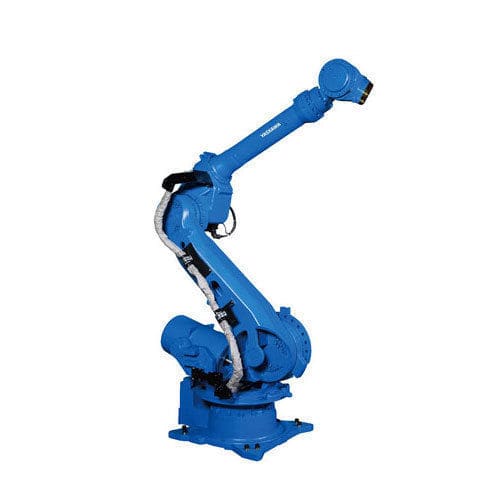
30+ pallets/hour: High-speed integrated line with robotic palletizing
Step 3: Analyze Your Load Profile
Load weight: Determines machine capacity ratings
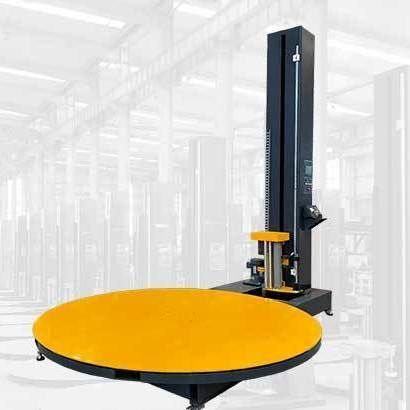
Load dimensions: Irregular or oversized loads may require rotary arm or horizontal wrappers
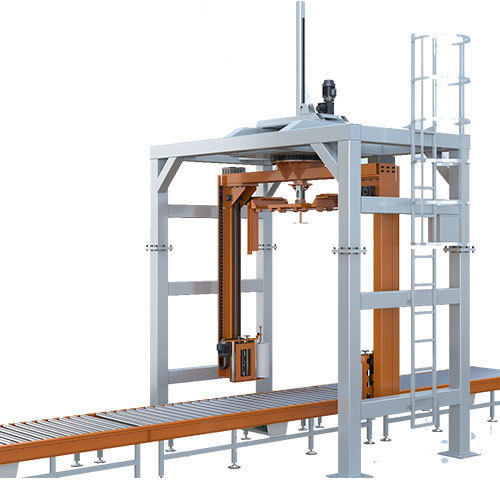
Load stability: Unstable loads benefit from rotary arm wrappers (pallet stays stationary)
Product fragility: Gentle handling requirements may dictate specific case packer types
Step 4: Evaluate Floor Space and Layout
End of line equipment needs to fit your facility, not the other way around. Measure available floor space, ceiling height, and access points. Consider:
Compact or vertical designs for space-constrained facilities
Modular equipment that can be reconfigured as production needs change
Future expansion — leave room for additional stations
Step 5: Determine Integration Level
Decide how much automation you need across the entire EOL sequence:
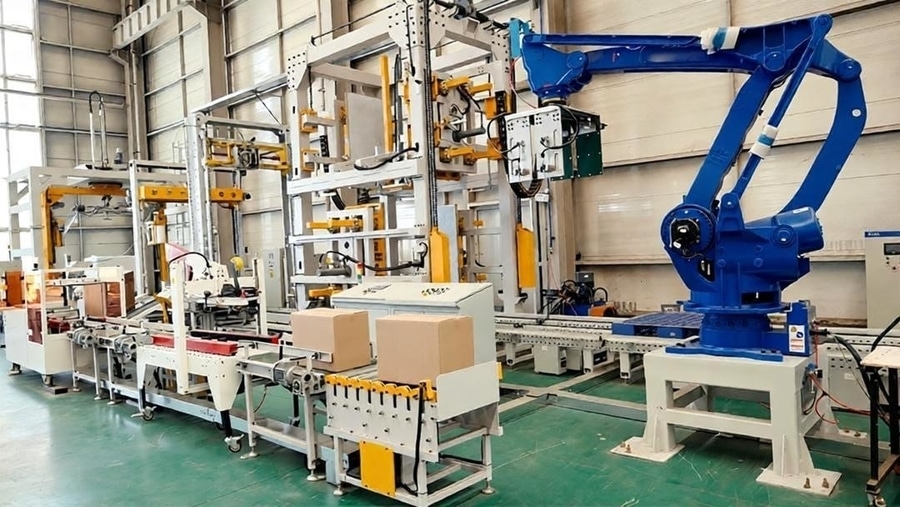
A case study by Gruppo demonstrated that combining case packing, palletizing, and stretch wrapping into a single integrated line reduced labor from 10+ operators to just 1 forklift driver, while eliminating safety risks from forklift traffic in the wrapping zone.
Step 6: Calculate Total Cost of Ownership (TCO)
Look beyond the purchase price. Key TCO components:
Film/consumable costs: Pre-stretch capable machines save 30–50% on film
Maintenance: Fewer moving parts = lower maintenance costs
Energy consumption: Modern servo-driven machines consume 20–40% less energy
Downtime cost: Machines with IoT predictive maintenance reduce unplanned stops by up to 50%
Labor savings: The primary ROI driver — typically 12–24 month payback period
Step 7: Consider Future-Proofing
The end of line packaging landscape is evolving rapidly. Key trends to factor in:
AMR (Autonomous Mobile Robot) integration: Leading manufacturers like Lantech now offer stretch wrappers designed for AMR handoff, eliminating fixed conveyor infrastructure entirely.
IoT and Industry 4.0: Real-time performance monitoring, predictive maintenance alerts, and data-driven optimization
Modular design: Equipment that can be reconfigured for new products or increased capacity without full replacement
Sustainability: Machines optimized for thinner gauge films, recycled-content materials, and minimal waste