#Product Trends
How Modern Workholding Technology Is Transforming 5-Axis Machining
From simple clamping devices to integrated manufacturing platforms: why modern workholding systems now play a key role in productivity, automation and process reliability.
Manufacturing requirements continue to evolve. Higher precision, shorter lead times, increasing automation and the economic production of small batch sizes are creating new challenges for manufacturers. Particularly in 5-axis machining, it has become clear that machine performance is no longer determined solely by the spindle, tooling or control system.
Workholding technology has also undergone significant development in recent years. While its primary function was once to securely hold a workpiece, modern workholding systems now play a much broader role throughout the entire manufacturing process.
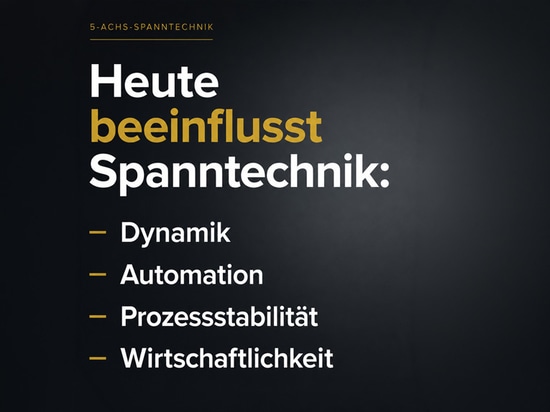
The choice of a workholding system directly affects machining dynamics, tool accessibility, process stability and the effectiveness of modern CAM strategies. It also has a measurable impact on machine utilization, setup times and the automation capabilities of a production environment.
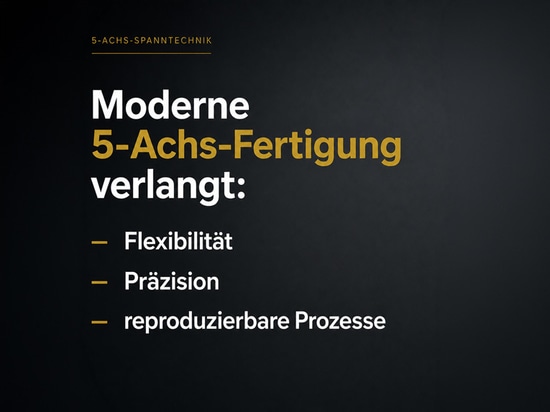
In high-performance 5-axis machining, maximum accessibility to the workpiece and repeatable positioning are essential for achieving stable and cost-efficient processes. At the same time, workholding solutions must provide the flexibility needed to accommodate different part geometries, varying batch sizes and automated production workflows.
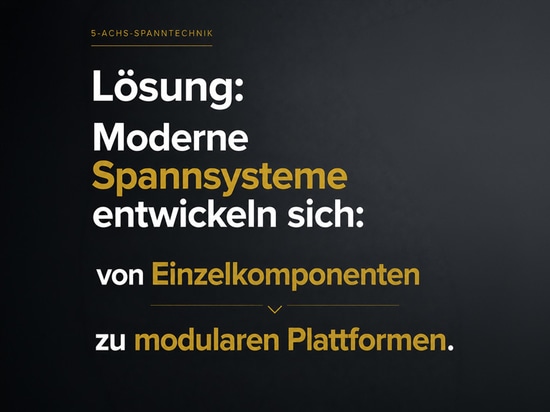
As a result, modern workholding technology is evolving from traditional standalone fixtures into modular workholding platforms. These systems can be integrated into a wide range of manufacturing environments and create the foundation for standardized and automated production processes.
This development is particularly evident in automated manufacturing cells, multi-side machining operations, flexible series production and hybrid manufacturing environments. In these applications, workholding technology has become a critical link between machine tools, cutting tools, automation systems and digital process planning.
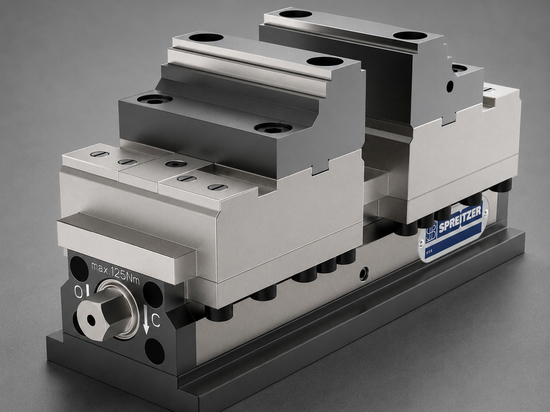
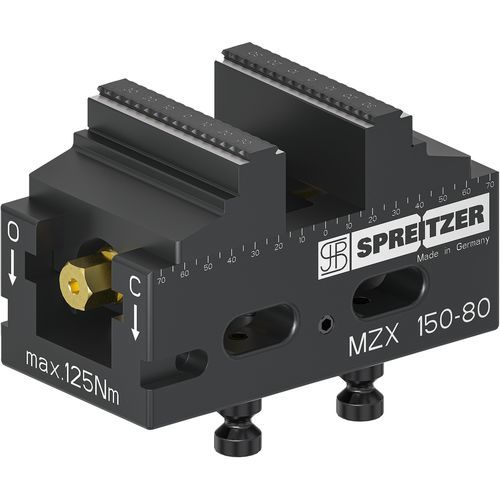
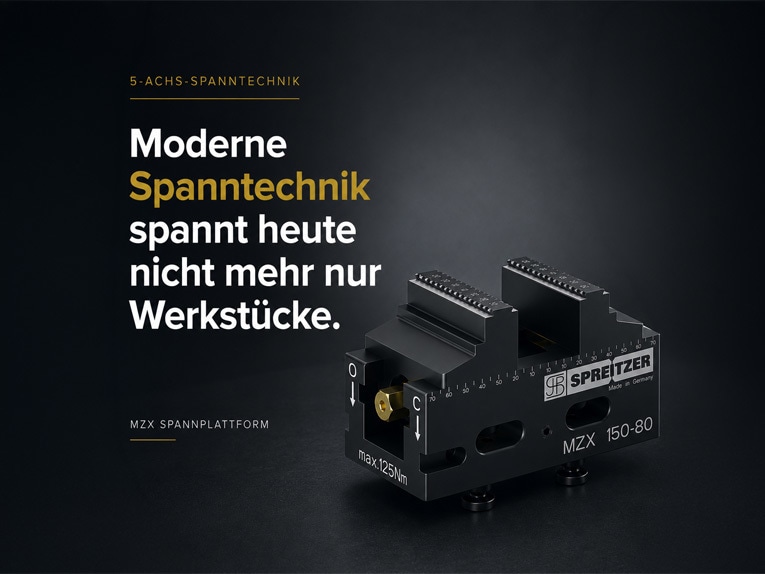
The MZX platform was developed to address these requirements. Combining a compact design with high rigidity, repeatability and automation readiness, the system provides a flexible foundation for modern 5-axis machining and supports stable, repeatable manufacturing processes.
The future of manufacturing is not driven by individual components alone. Success increasingly depends on the intelligent interaction of workholding, machining dynamics, automation and process stability. Modern workholding technology therefore plays a strategic role in improving productivity, reliability and overall manufacturing efficiency.