#Product Trends
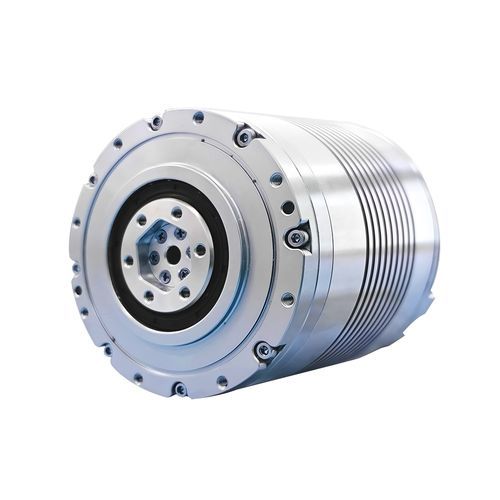
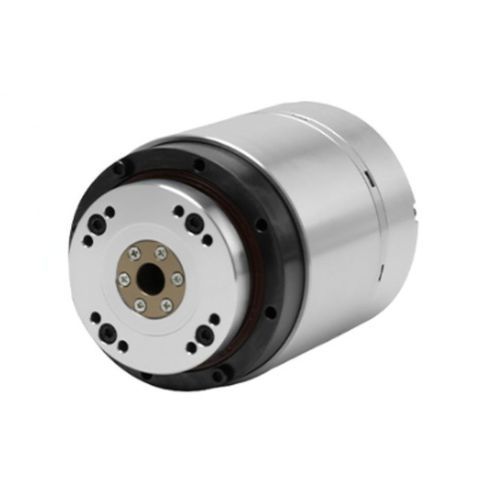
HPJM Harmonic Joint Actuator PID Tuning: How to Reduce Positioning Jitter
A practical guide to HPJM PID tuning for reducing positioning jitter.
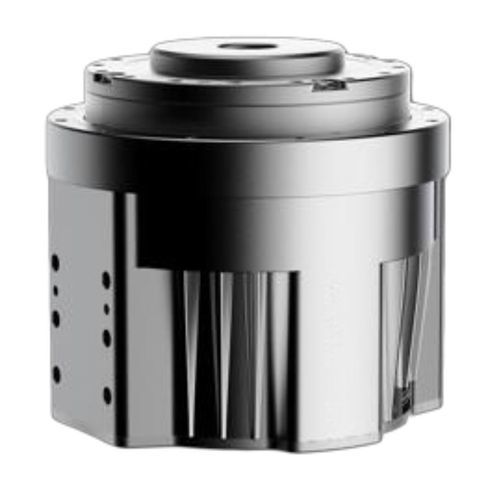
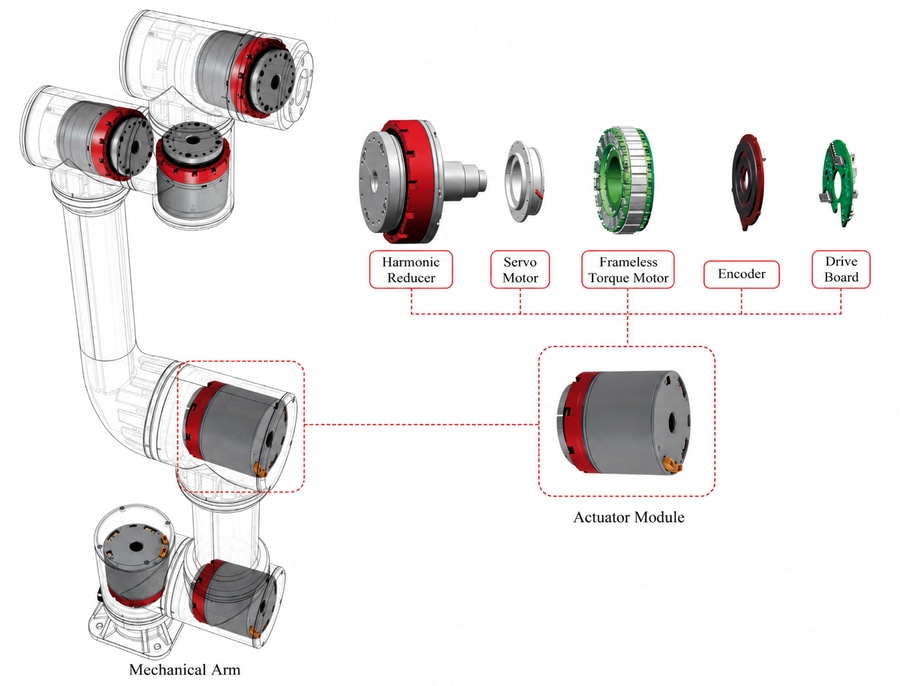
Positioning jitter in a robot joint can result from mismatched PID parameters, load conditions, mechanical characteristics, or feedback performance. This article explains the HPJM Harmonic Joint Actuator’s cascaded PID control structure and the roles of the speed-loop P/I and position-loop P/D parameters, then provides a practical tuning procedure covering mechanical checks, parameter adjustment, motion testing, and parameter saving. It also introduces PID tuning through CAN, CANopen, EtherCAT, and Magic software, helping engineers adapt the HPJM actuator to different robotic applications while balancing positioning accuracy, response speed, and motion stability.