#White Papers
Industrial pasta production line price in 2026: bands from 500 kg/h to 1 ton per hour and above, and what a turnkey pasta factory setup costs
Quotations for the same capacity can differ by 40 per cent or more, and most of that gap is scope, not steel. Here are the price bands, the six items that move them, and the equipment checklist that makes offers comparable.
Industrial pasta production line price: why quotations for the same capacity differ
Ask three suppliers for a 1 ton per hour pasta line and the offers can differ by 40 per cent or more. The machines are rarely 40 per cent better or worse. The quotations simply do not cover the same thing. One includes the press, dryer and automation; another adds the boiler, chiller, compressor and silos; a third adds installation, commissioning and a year of remote support. Comparing bottom lines without comparing scope lists is the most common mistake in this purchase.
Six items that drive the price
1. Capacity. The largest single driver. Short-cut pasta (macaroni) production lines run from 500 to 6,000 kg/h; long-cut (spaghetti) lines from 500 to 4,000 kg/h.
2. Line type. Short-cut and long-cut use different drying and handling systems; at the same capacity, the long-cut line is the more complex machine.
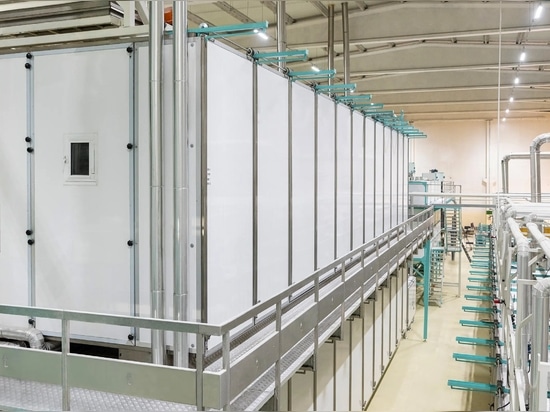
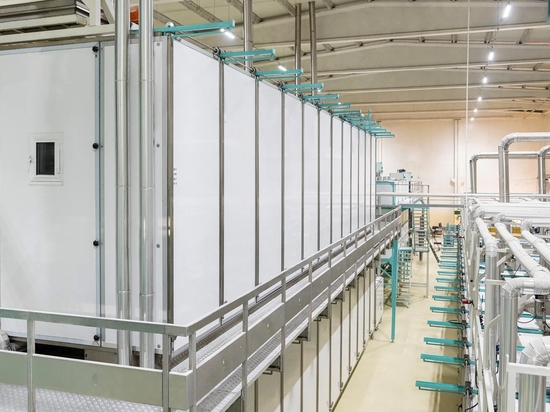
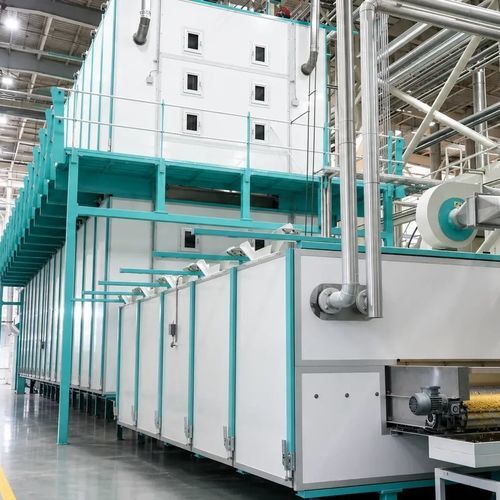
3. Drying technology. Drying is the heart of the line and its energy-intensive stage. Dryer length, tier count and control quality decide both the purchase price and the running cost for the next decade.
4. Delivery scope. Line alone, or line plus silos, utilities and packaging feed.
5. Building and infrastructure. Hall height, floor loading and ventilation shape the project.
6. Logistics and commissioning. Freight, local labour and travel vary by country.
Price bands by capacity, from 500 kg/h to 1 ton per hour and above (2026)
The bands below are for complete industrial lines built to European engineering standards, EXW Gaziantep, packaging machinery excluded:
- 500 kg/h, short-cut (macaroni) or long-cut: USD 550,000 - 800,000
- 1,000 kg/h (1 ton per hour): USD 900,000 - 1,400,000
- 2,000 - 2,500 kg/h: USD 1,400,000 - 2,100,000
- 3,000 kg/h and above: from USD 1,900,000, priced per project
For a medium-capacity plant, 500 to 1,000 kg/h is the range most new producers start in; the two bands above cover it.
Turnkey pasta factory setup cost: what the extra 15 - 25 per cent covers, and what it still leaves out
A turnkey scope typically adds 15 - 25 per cent to the line price. It covers the flour or semolina silos feeding the line, the utility units (hot-water boiler and thermal control centre, chiller for the extrusion head, air compressor, water softening), installation supervision, commissioning with test production and recipe setting, and operator and maintenance training.
Even a full turnkey quotation does not include the building and civil works, the electrical infrastructure up to the main panel, hall ventilation for drying exhaust, raw-material storage silos beyond the line's own, lifting equipment, local labour, working capital for semolina and packaging film, or spare dies and wear parts. These belong in the investment plan from day one.
What equipment is needed: the checklist that makes quotations comparable
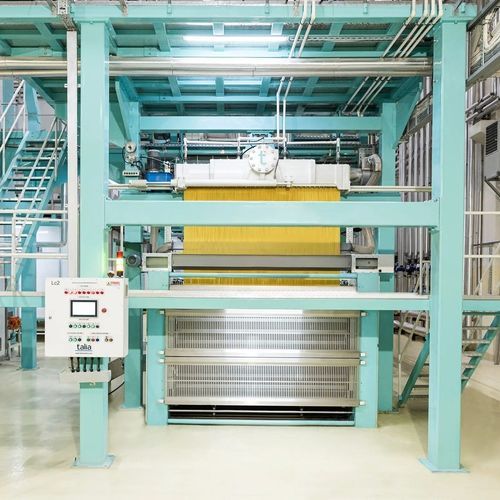
Before comparing prices, put every quotation against the same list: press with vacuum system, dosing and die head; automatic cutting unit; shaker pre-drying section; main dryer with its specifications; PLC and SCADA automation with panels; boiler and thermal control centre; chiller; compressor; water softening; resting silos, bucket elevator, conveyors and sifter; die sets; laboratory moisture equipment; interconnection materials (thermal, cooling, vacuum, electrical); installation supervision; commissioning and recipe setting; training; remote support during warranty; warranty duration. Where a line on this list is blank, the price is not comparable.
"Affordable" for a medium-capacity plant means cost per kilogram, not the lowest quotation
Over ten years, differences in energy consumption, waste and downtime outweigh differences in purchase price. Drying efficiency decides the energy bill. Short-cut lines produce no process waste; long-cut lines generate trimming waste, so ask for the figure per tonne. Unplanned stops cost more than any line item in the offer, which is why preventive maintenance and remote diagnostics matter. And a line that only runs well when one particular person is on shift is an unpriced risk.
Check the capacity guarantee, not just the capacity
A serious quotation states what the capacity is guaranteed on: the reference product format, the tolerance (plus or minus 5 per cent), the final moisture (12.5 per cent maximum), the operating condition (24 hours of continuous stable production) and the raw-material specification the guarantee assumes.
Eight questions before you sign
What is the capacity guaranteed on? What are the dryer's tier count, belt width and length? Which scope items are included in the price? What is the waste per tonne for each product? Who supplies the boiler, chiller, compressor and water softening? When does manufacturing start, at signature or at first payment? What is the commissioning sequence and the final sign-off? And who answers the phone in year three?
Talia Makina has built industrial short-cut and long-cut pasta production lines in Gaziantep, Turkiye since 2007, with 42 lines installed in 18 countries. The full guide, including a capacity pre-assessment tool, is on our website.