#Product Trends
Ceramic Packaging for Micro Electro Mechanical Systems
Ceramic Packaging for Micro Electro Mechanical Systems (MEMS): Solutions for Harsh Environments
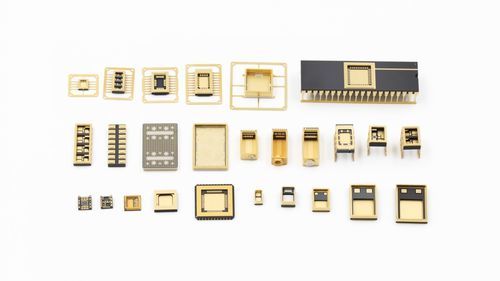
Unlike single-function devices made by traditional manufacturing techniques, Micro Electro Mechanical Systems (MEMS) is a micro-sized controllable electromechanical device system that integrates micro-mechanical structures, sensors, actuators, and electronic components. This type of product has numerous advantages, including small size, light weight, low cost, low power consumption, high reliability, mass producibility, easy integration, and intelligent implementation. This also means that encapsulation not only needs to protect the internal microelectronic components from external impurities, but also provides a stable and controllable physical environment for the internal structure. Different types of MEMS products all have their own unique manufacturing processes and specific packaging forms. Ceramic packages, due to its excellent airtightness, outstanding thermal-mechanical properties, insulation, and thermal stability, generally offers better comprehensive performance in providing long-term reliability protection compared to metal or plastic packaging.
Commonly used ceramic packaging materials and characteristics
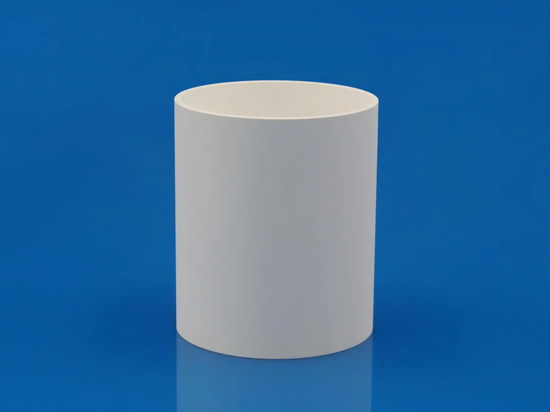
Aluminum oxide (Al₂O₃): Low cost, excellent insulation properties, commonly used in sensor substrates and packaging casings.
This is the most widely used and technologically mature ceramic packaging material. Its advantages lie in its excellent comprehensive performance and relatively low manufacturing cost. Its high resistivity (up to 10¹⁴ Ω·cm) and high dielectric strength also ensure excellent electrical insulation properties. However, its thermal conductivity is relatively lower than that of aluminum nitride, and it is not suitable for scenarios with extremely high power density.
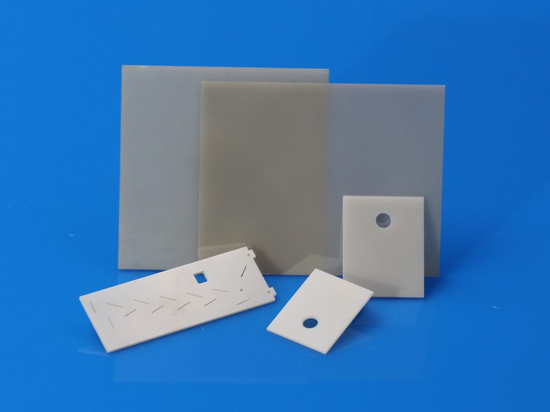
Aluminum Nitride (AlN): High thermal conductivity, suitable for heat dissipation packaging of high-power MEMS devices.
Its thermal conductivity can reach 170–200 W/m·K, which is several times higher than that of alumina. Meanwhile, its thermal expansion coefficient is very close to that of silicon chips. This can significantly reduce the thermal stress generated by the package on the chip when the temperature changes, thereby enhancing the lifespan and stability of the device in harsh temperature environments. Therefore, it is commonly found in the packaging of high-power LEDs, lidar systems, high-performance computing chips, and tactical-level MEMS sensors.
Silicon nitride (Si₃N₄): High strength and chemical resistance, suitable for MEMS in harsh environments.
The advantage lies in its outstanding comprehensive mechanical properties, especially its extremely high fracture toughness and bending strength, which can provide unparalleled shock and vibration protection for sensitive MEMS structures. However, its manufacturing cost is higher than that of alumina. It is usually applied in scenarios that have extremely high requirements for reliability and mechanical strength, rather than in cost-sensitive consumer electronics.