#White Papers
1 Leg vs 2 Leg vs 4 Leg Chain Sling: What Is the Difference?
Compare chain sling leg configurations by load control, sling angle, lifting points and rated capacity.
Choosing between a 1 leg, 2 leg and 4 leg chain sling depends on more than the weight of the load. The correct configuration should match the number and position of lifting points, load geometry, center of gravity, sling angle and required Working Load Limit (WLL).
A 1 leg chain sling provides one direct load path and is suitable for loads with a single engineered lifting point. It is simple to use and inspect, but it offers less control for long or irregular loads.
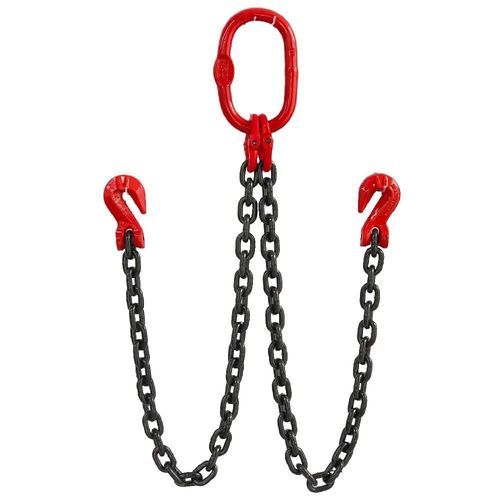
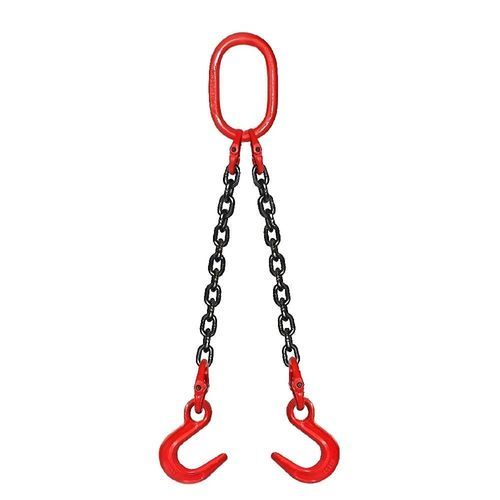
A 2 leg chain sling connects to two lifting points and can improve balance and load stability. However, when comparing a 1 leg vs 2 leg chain sling, it is important to remember that two legs do not automatically provide twice the capacity. As the sling legs move farther from vertical, the tension in each leg increases, so the actual WLL must be checked for the working angle.
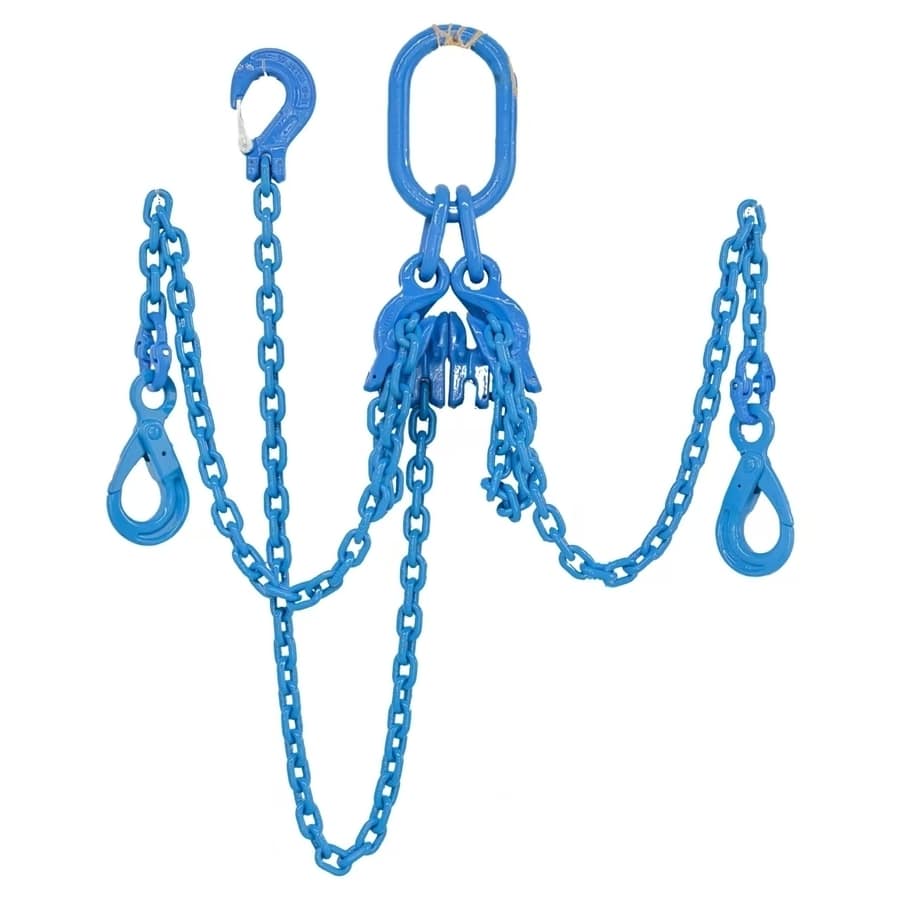
A 4 leg chain sling is commonly used for larger loads with four suitable lifting points. It can provide greater stability and better control, but the load should not automatically be assumed to divide equally across all four legs. Load distribution depends on lifting point position, sling leg length, center of gravity and load rigidity.
The basic differences are:
1 Leg → Simple direct lifting
2 Leg → Better balance for two-point loads
4 Leg → Greater stability for large multi-point loads
After choosing the number of legs, the final sling should be selected according to the required WLL, sling angle, chain grade, chain diameter, reach and component ratings.
A practical selection sequence is:
Load Geometry → Lifting Points → Number of Legs → Sling Angle → WLL → Chain Grade and Diameter
More sling legs do not automatically mean a higher usable capacity. The correct chain sling is the configuration that best matches the geometry and stability requirements of the actual lift.