#White Papers
G80 vs G100 Lifting Chain: What Is the Difference?
Compare Grade 80 and Grade 100 lifting chain by strength, WLL, chain size, sling weight and component compatibility.
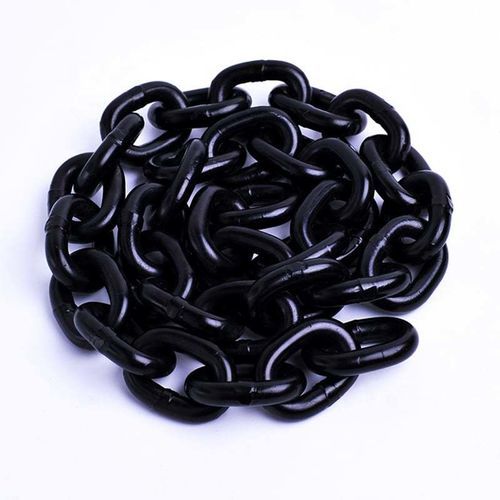
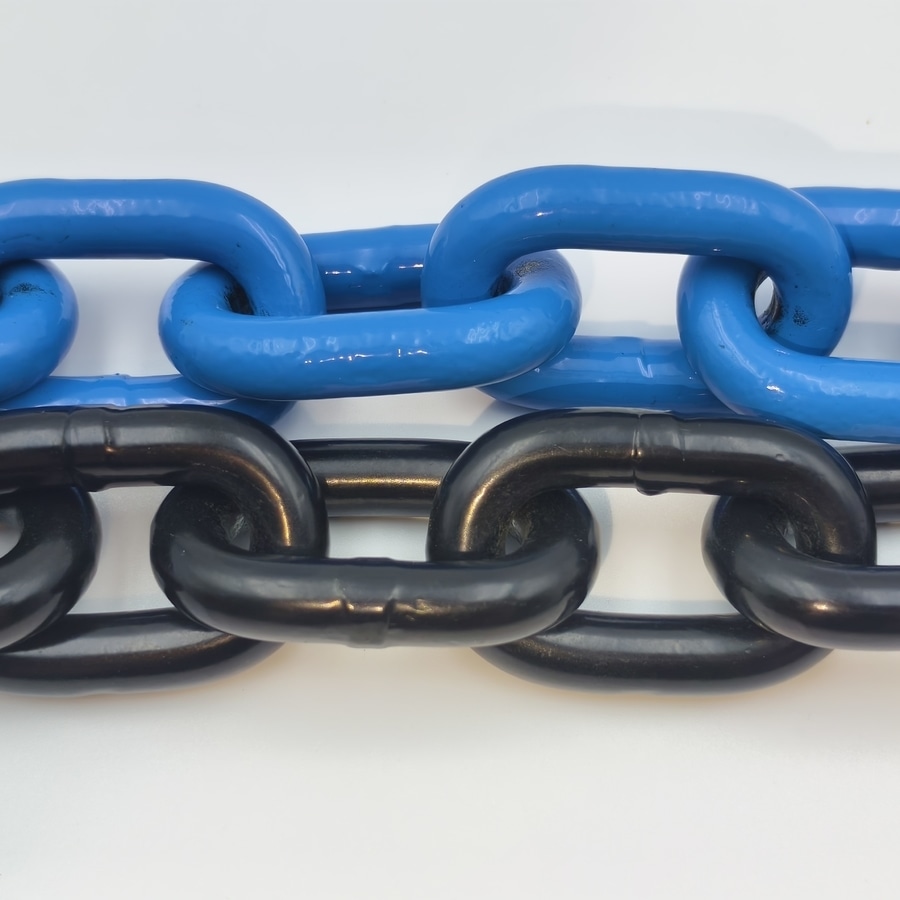
When comparing G80 vs G100 lifting chain, the main difference is strength class and the Working Load Limit available at the same nominal chain diameter.
Grade 80 is a widely used alloy steel lifting chain for general industrial lifting. Grade 100 belongs to a higher strength class and, within comparable standardized lifting systems, can provide about 25% higher WLL at the same nominal diameter.
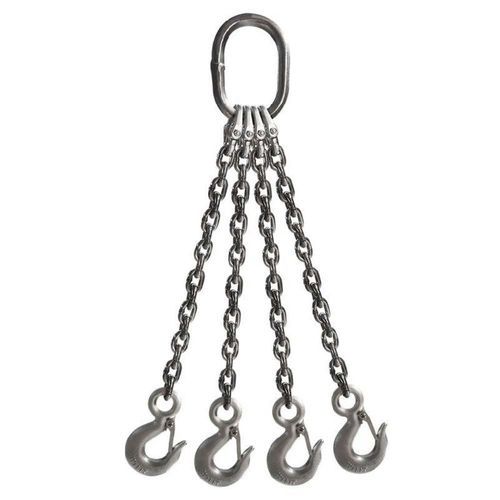
This means Grade 100 may achieve the required capacity with a smaller chain size than Grade 80. In multi-leg chain slings, that can reduce the overall sling weight and make the assembly easier to handle.
However, a higher grade does not automatically make Grade 100 the better choice for every application.
The complete lifting system still needs to be considered, including:
Maximum Load → Sling Configuration → Sling Angle → Required WLL → Chain Grade → Chain Diameter → Components
A Grade 100 chain should not simply replace Grade 80 chain in an existing sling without checking the hooks, master links, connecting links and other load-bearing components. The complete assembly must remain compatible and correctly rated.
The practical difference can be summarized as:
G80 → Proven general-purpose lifting chain
G100 → Higher capacity-to-size ratio and potentially lower sling weight
If Grade 80 already provides the required WLL with a practical chain diameter and sling weight, it remains a suitable choice. Grade 100 becomes especially useful when higher capacity, smaller chain size or reduced sling weight is important.
The final choice should always be based on the rated WLL of the complete lifting configuration, not the grade number alone.