#Product Trends
Select the Right Ultrasonic Flow Sensor Architecture: Clamp-On vs. Inline
How clamp-on and inline sensors differ—and how to make the right process design decision
According to Mordor Intelligence, the global ultrasonic flow meter market reached USD 1.52 billion in 2025, with Asia Pacific holding 38.6% of the share. As industries push for non-invasive, high-precision fluid measurement, ultrasonic flow sensors are becoming the backbone of process control across medical, bioprocess, industrial automation, and semiconductor sectors.
The interchangeability trap
Yet a recurring sourcing mistake is treating clamp-on and inline sensors as interchangeable. They are not.
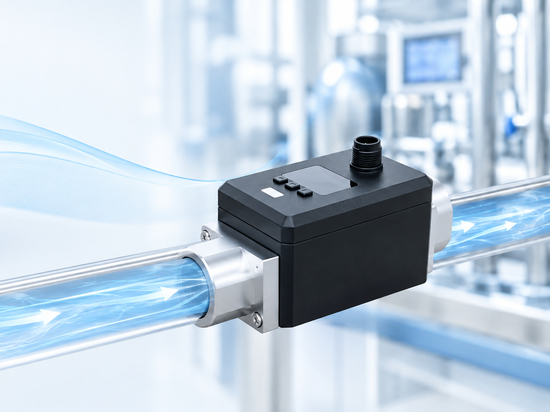
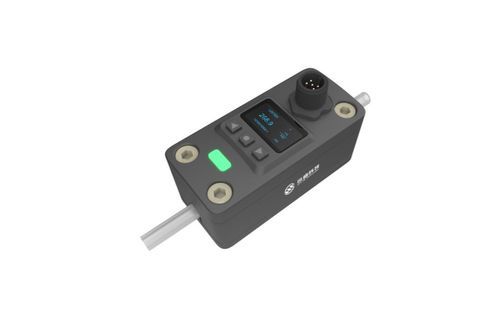
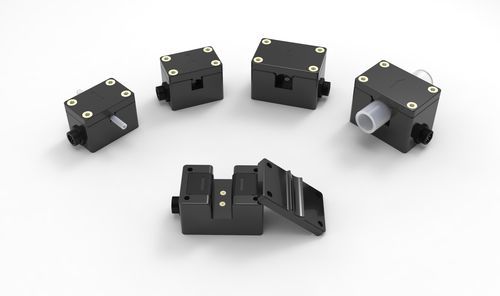
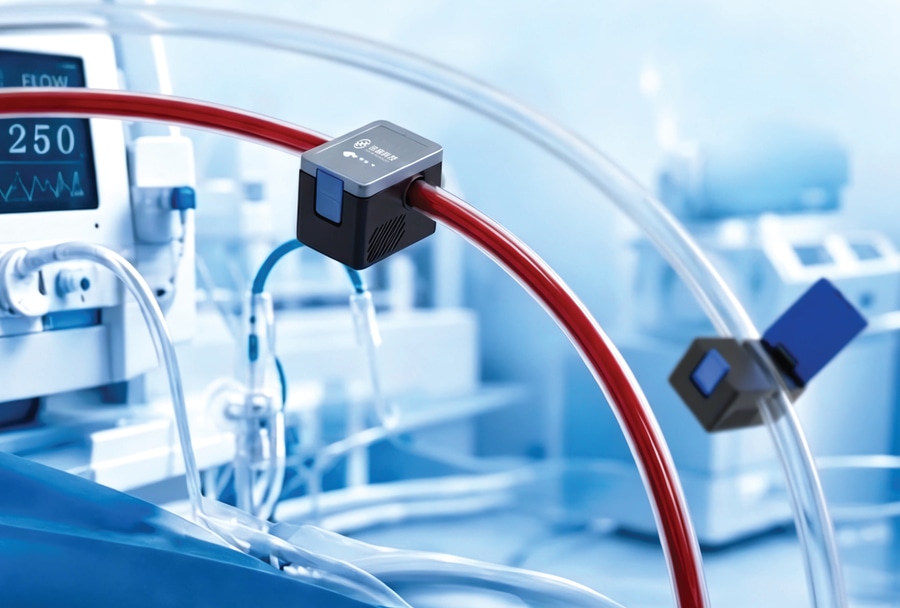
Clamp-on sensors attach externally to existing flexible tubing—ideal for retrofitting, contamination-free operation, and applications where pipe cutting is impossible. For example, the CG Series clamp-on ultrasonic flow sensor delivers ±1% accuracy, bi-directional flow detection, and built-in air bubble monitoring, making it a strong fit for biopharmaceutical perfusion monitoring and medical dialysis circuits.
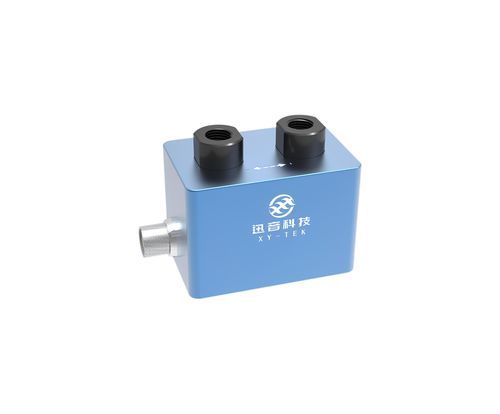
Inline ultrasonic flow sensors integrate directly into rigid pipelines using stainless steel or engineering plastic wetted parts. The TPK Series, with no moving parts, requires minimal maintenance and provides ±2% accuracy for real-time flow monitoring in liquid cooling, battery manufacturing, and chemical processing. The trade-off is clear: installation requires breaking the line, which is acceptable in dedicated process skids.
Process constraints define the architecture
The critical insight is that technology choice should be driven by process constraints—not by price or habit. A sensor partner who offers both architectures can help you avoid costly over-specification or performance gaps. In industrial automation micro-flow applications, for instance, a clamp-on sensor (such as the CPD Series) monitors pulsating and micro-flow liquids in dispensing and spraying systems, detecting bubbles and blockages without stopping production.
What to ask a supplier
When evaluating a sensor partner, look beyond the datasheet. Ask whether they can match sensor installation method, pipe compatibility, and accuracy class to your specific working conditions—whether that means cleanroom bioprocess, high-temperature industrial lines, or sterile single-use systems. Choosing the right flow sensor technology is not simply a buying decision—it is a process design decision.