
#Product Trends
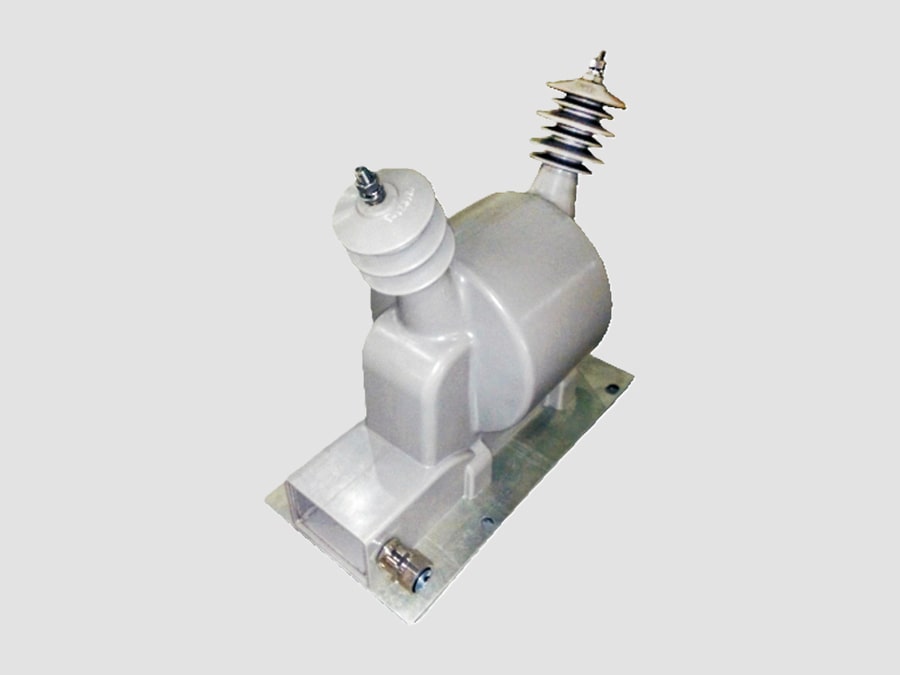
12kV Voltage Transformer (Outdoor type)
12kV Voltage Transformer
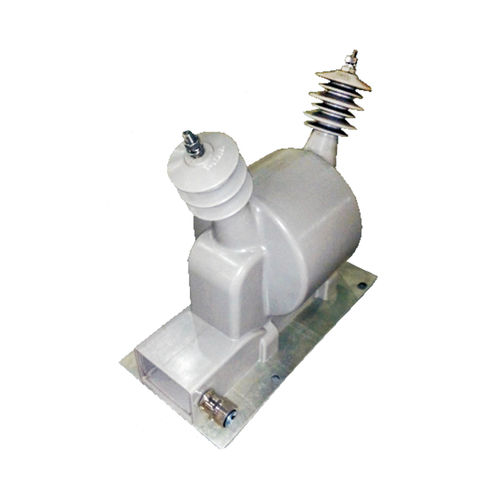
12kV Outdoor Voltage Transformer (VT), also known as an Outdoor Potential Transformer (PT), is an instrument transformer designed to step down medium-voltage system voltages up to 12 kV into standardized low-voltage outputs for metering, protection, monitoring, and control. It is specifically engineered for outdoor installation, with weather-resistant insulation and enclosure materials that provide reliable performance under harsh environmental conditions.
Main Functions
·Voltage Measurement: Reduces medium-voltage levels to standardized secondary voltages (typically 100 V or 110 V) for metering and monitoring.
·Protection: Supplies accurate voltage signals to protective relays for overvoltage, undervoltage, directional, synchronization, frequency, and distance protection.
·Electrical Isolation: Provides galvanic isolation between the high-voltage primary circuit and low-voltage secondary equipment, enhancing operational safety.
Typical Applications
·Outdoor distribution substations
·Pole-mounted distribution systems
·Utility distribution networks
·Renewable energy plants (solar and wind)
·Industrial power distribution
·Rural electrification projects
·Mining and oil & gas facilities
Typical Technical Specifications
·Rated Voltage: 12 kV
·Highest System Voltage: 12 kV or 17.5 kV
·Rated Frequency: 50 Hz / 60 Hz
·Rated Primary Voltage: 11 kV, 12 kV, or 11/√3 kV
·Rated Secondary Voltage: 100 V, 110 V, 100/√3 V, 110/√3 V
·Accuracy Class: 0.1, 0.2, 0.5, 1.0, 3P, 6P
·Rated Burden: 10 VA, 15 VA, 30 VA, 50 VA, 100 VA
·Insulation Medium: Epoxy resin or porcelain housing
·Creepage Distance: Designed for applicable pollution class
·Cooling Method: Natural Air (AN)
·Installation: Outdoor
Construction
A typical 12kV outdoor voltage transformer consists of:
·High-voltage primary winding
·One or more secondary windings
·Laminated silicon steel core
·Epoxy resin or porcelain insulated housing
·Weatherproof enclosure
Primary terminals
·Secondary terminal box with sealed cover
·Mounting base
·Earthing terminal
The outdoor enclosure is designed to withstand:
·Rain and humidity
·UV radiation
·Dust and pollution
·Salt-laden coastal environments (with suitable creepage distance)
·Wide temperature variations
Common Types
·Single-phase inductive voltage transformer
·Phase-to-ground voltage transformer
·Phase-to-phase voltage transformer
·Dual-secondary voltage transformer (metering and protection)
·Fuse-protected voltage transformer
·Pole-mounted voltage transformer
Advantages
·High measurement accuracy
·Excellent outdoor insulation performance
·Weatherproof and UV-resistant construction
·Maintenance-free operation
·High mechanical strength
·Long service life
·Corrosion-resistant housing
·Reliable operation in harsh environments
Applicable Standards
·IEC 61869-1 – Instrument Transformers – General Requirements
·IEC 61869-3 – Additional Requirements for Inductive Voltage Transformers
·IEEE C57.13 – IEEE Standard Requirements for Instrument Transformers
Typical Wiring
Primary Side
·Connected phase-to-phase or phase-to-earth on the 11–12 kV distribution network.
Secondary Side
·Energy meters
·Voltmeters
·Protection relays
·Power quality analyzers
·SCADA and remote terminal units (RTUs)
·Synchronizing equipment
Typical Applications by Industry
·Utility Distribution: Revenue metering and feeder protection
·Renewable Energy: Solar and wind farm collector systems
·Industrial Plants: Outdoor switchyards and distribution systems
·Commercial Facilities: Primary distribution substations
·Mining: Outdoor electrical distribution
·Oil & Gas: Process power distribution
·Rural Electrification: Pole-mounted voltage measurement
Key Features
·Rated system voltage up to 12 kV
·Designed for outdoor installation in all weather conditions
·Epoxy resin or porcelain insulated construction
·High dielectric strength with excellent environmental resistance
·Accurate voltage transformation for metering and protection
·Multiple secondary winding configurations available
·Maintenance-free and corrosion-resistant design
·Compliant with IEC 61869-1, IEC 61869-3, and IEEE C57.13 standards