
#Product Trends
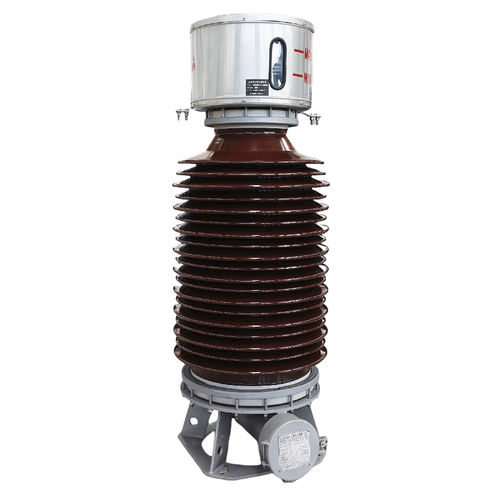
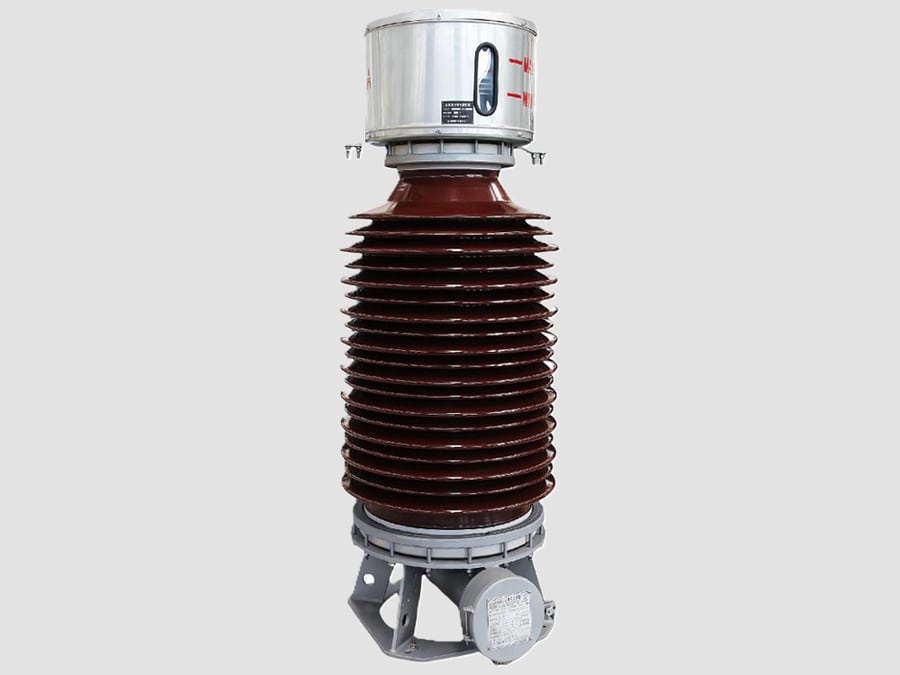
145kV Inductive Voltage Transformer
145kV PT
145kV Inductive Voltage Transformer (IVT), also referred to as a Potential Transformer (PT) or Voltage Transformer (VT), is a high-voltage instrument transformer used to accurately step down transmission voltages up to 145 kV to standardized low-voltage values for metering, protection, monitoring, and control. It provides electrical isolation between the high-voltage power system and secondary equipment, ensuring safe, reliable, and precise voltage measurement.
Working Principle
A 145kV inductive voltage transformer operates on the principle of electromagnetic induction. The primary winding is connected across the high-voltage system, and the magnetic flux generated in the laminated steel core induces a proportional voltage in one or more secondary windings.
Main Components
·High-voltage primary winding
·Metering and protection secondary windings
·Laminated silicon steel magnetic core
·Oil-paper insulation system
·Porcelain or composite silicone rubber insulator housing
·Expansion chamber or metal bellows (oil-filled types)
·Primary high-voltage terminal
·Secondary terminal box
·Earthing terminal
·Pressure relief device
·Galvanized steel mounting base
Typical Technical Specifications
·Highest System Voltage: 145 kV
·Rated Primary Voltage: 132 kV or 138 kV
·Rated Secondary Voltage: 100 V, 110 V, 100/√3 V, 110/√3 V
·Frequency: 50 Hz / 60 Hz
·Accuracy Class: 0.1, 0.2, 0.5, 3P, 6P
·Rated Burden: 25–300 VA
·Rated Voltage Factor: 1.2 continuous, 1.5 for 30 s (typical)
·Insulation Level: 275/650 kV (Typical)
·Cooling: Oil Natural Air Natural (ONAN)
·Installation: Outdoor
Applications
A 145kV inductive voltage transformer is commonly installed in:
·High-voltage transmission substations
·Grid interconnection substations
·Utility switchyards
·Thermal, hydro, and nuclear power plants
·Wind and solar power substations
·Industrial transmission systems
·Railway traction substations
Advantages
·High measurement accuracy
·Excellent insulation performance
·Reliable long-term operation
·High short-circuit withstand capability
·Low maintenance requirements
·Weather-resistant outdoor construction
·Suitable for both metering and protection applications
Typical Secondary Outputs
Typical standardized secondary voltages include:
·100 V
·110 V
·100/√3 V
·110/√3 V
These outputs are connected to:
·Revenue energy meters
·Protective relays
·Synchronizing equipment
·SCADA systems
·Automatic voltage regulators (AVR)
·Power quality analyzers
·Digital fault recorders
Common Standards
A 145kV inductive voltage transformer is generally designed and tested in accordance with:
·IEC 61869-3 – Instrument Transformers – Additional requirements for Inductive Voltage Transformers
·IEC 61869-1 – General requirements
·IEEE C57.13 – IEEE Standard Requirements for Instrument Transformers
·IEC 60044-2 (legacy standard, superseded by IEC 61869)
Typical Applications in a 145kV Substation
·Busbar voltage measurement
·Transmission line voltage monitoring
·Revenue and settlement metering
·Distance, overvoltage, and synchronization protection
·SCADA and remote terminal unit (RTU) monitoring
·Automatic voltage regulation (AVR)
·Fault recording and disturbance analysis
·Power quality monitoring
A 145kV Inductive Voltage Transformer is a critical component of high-voltage transmission substations, delivering an accurate, isolated, and scaled representation of system voltage to metering devices, protection relays, and control systems. Its robust insulation design, high measurement accuracy, and dependable long-term performance make it well suited for modern power transmission networks.