
#Product Trends
Double Break Disconnector (Double Break Isolator)
Double Break Disconnector
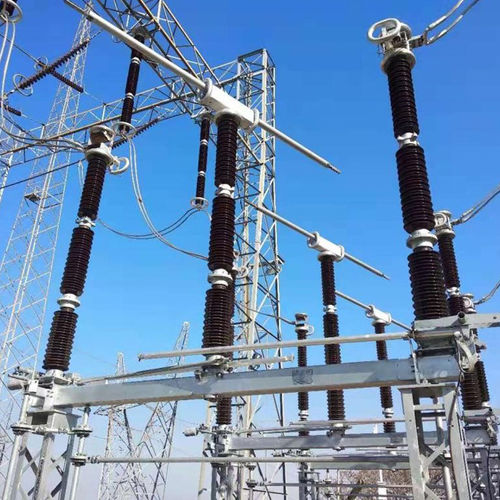
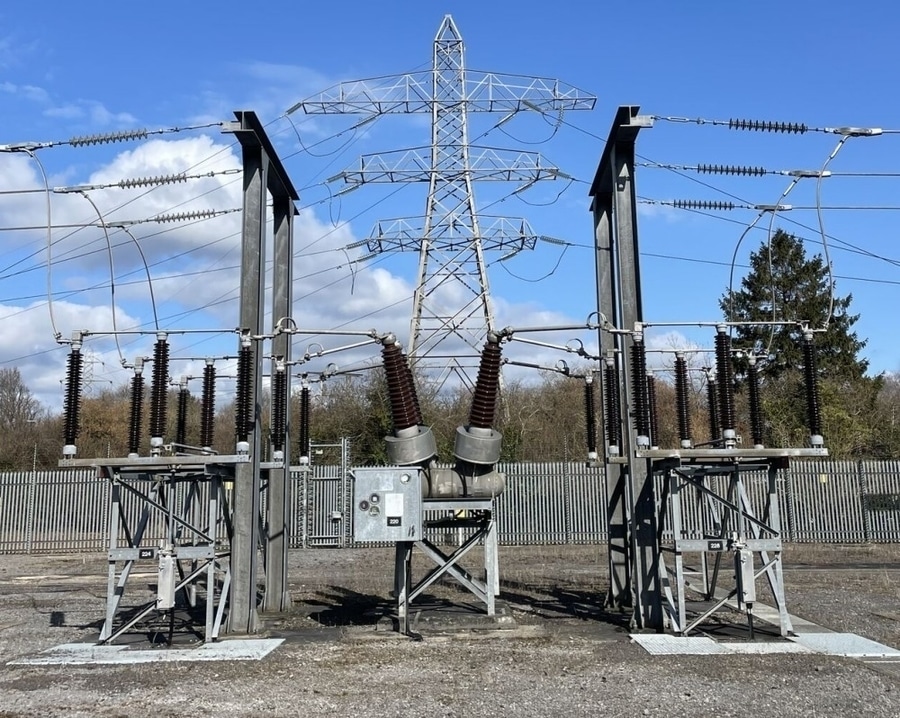
Double Break Disconnector (Double Break Isolator) is a high-voltage switching device used in transmission and distribution substations to isolate electrical equipment after the associated circuit breaker has interrupted the current. It creates two visible air gaps when opened, providing higher insulation performance than a center break disconnector.
Working Principle
A double break disconnector has one movable contact assembly that separates from two fixed contacts, creating two breaks (air gaps) in the current path.
·Closed position: The moving contact bridges the two fixed contacts, allowing current to flow.
·Open position: The moving contact rotates or moves away, producing two visible isolation gaps, one on each side.
Like all disconnectors, it is designed to operate only when no load current is flowing.
Normal Operating Sequence
1.Open the circuit breaker.
2.Confirm that the circuit is de-energized.
3.Open the double break disconnector.
4.Close the earthing switch (if maintenance is required).
Main Components
·Fixed contacts
·Moving contact blade or bridge
·Support insulators
·Operating mechanism (manual or motor-operated)
·Base frame
·Mechanical linkage
·Position indicator
·Auxiliary switches
·Terminal connectors
Features
·Two visible isolation gaps improve electrical insulation.
·Higher dielectric withstand capability than a single-break design.
·Suitable for high and extra-high voltage systems.
·Robust mechanical construction.
·High operating reliability.
·Can be operated locally or remotely.
Typical Voltage Ratings
·72.5 kV Sub-transmission substations
·110 kV Transmission substations
·132 kV Utility networks
·145 kV High-voltage substations
·220 kV Transmission systems
·330 kV Extra-high-voltage systems
·400 kV EHV substations
·500–765 kV Bulk power transmission
Advantages
·Two air gaps provide greater insulation and safety.
·Better electrical performance at higher voltages.
·Lower electrical stress across each gap.
·Reliable and durable design.
·Long service life with relatively low maintenance.
Limitations
·Cannot interrupt load current.
·Cannot interrupt fault current.
·Requires a circuit breaker to de-energize the circuit before operation.
·Generally more complex and larger than a center break disconnector.
Applications
Double break disconnectors are commonly used for:
·High-voltage and extra-high-voltage substations
·Transmission line isolation
·Power transformer isolation
·Circuit breaker isolation
·Busbar switching and sectionalizing
·Switching stations
·Power generation facilities
A double break disconnector is preferred in high-voltage and extra-high-voltage air-insulated substations (AIS) because its two isolation gaps provide improved dielectric performance, enhanced operational safety, and greater reliability for isolating transmission equipment during maintenance.