
#Product Trends
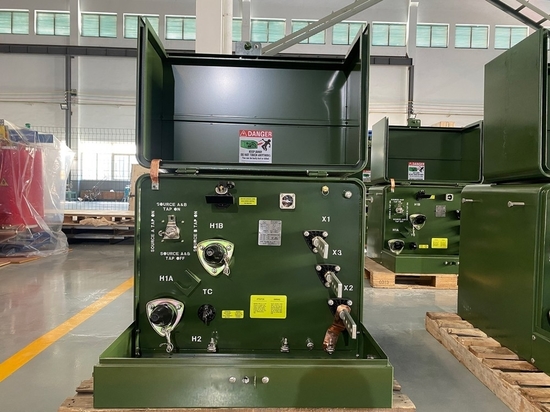
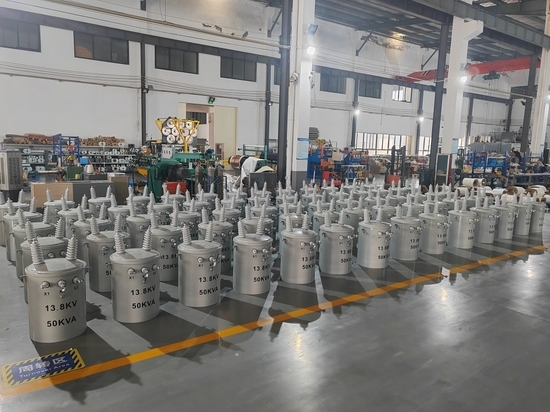
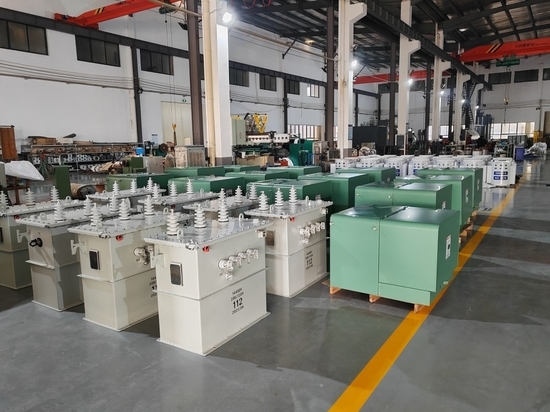
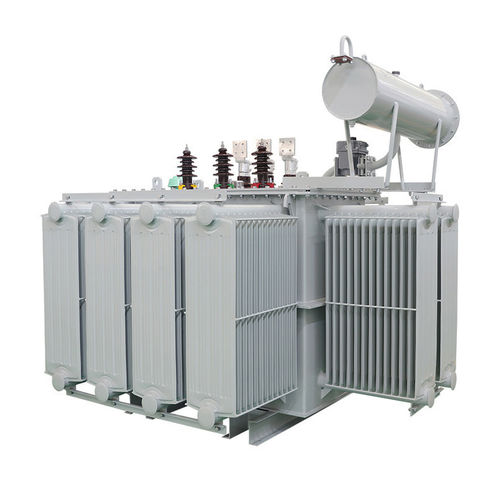
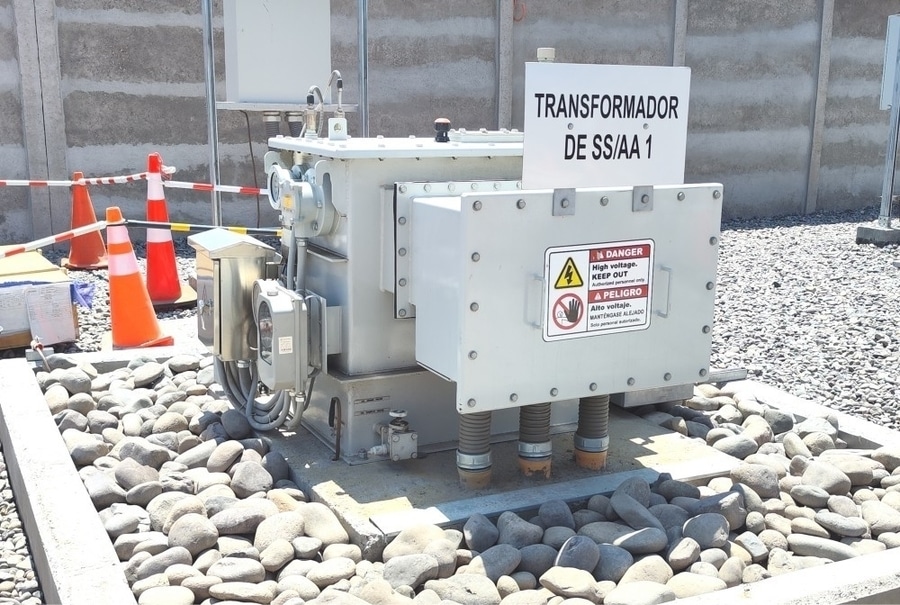
Earthing Transformer (Zig Zag Transformer) provide a neutral point for grounding in three-phase, three-wire power systems
Zig Zag Transformer
Earthing Transformer, commonly known as a Zig-Zag Transformer, is a special-purpose transformer used to provide a neutral point for grounding in three-phase, three-wire power systems that do not have an accessible neutral. It creates an artificial neutral, allowing the system neutral to be connected directly to earth or through a grounding impedance such as a Neutral Grounding Resistor (NGR) or Neutral Grounding Reactor (NGRa).
Unlike conventional transformers, a zig-zag transformer is not intended to supply electrical loads. Its primary functions are system grounding, fault current control, and voltage stabilization.
Working Principle
In a balanced three-phase system:
·The three phase currents are equal and displaced by 120°.
·The winding arrangement causes the magnetic fluxes to cancel each other.
·The transformer draws only a small magnetizing current.
During a single line-to-ground fault:
1.Ground fault current flows through the transformer.
2.The zig-zag winding provides a return path for the zero-sequence current.
3.The neutral point remains stable.
4.Protective relays detect the fault and isolate the affected circuit.
Zig-Zag Winding Construction
The transformer has:
·Three limbs
·Two interconnected windings per limb
·Each winding carries half of two different phase windings
·Windings connected in a zig-zag pattern
This configuration:
·Produces negligible voltage under balanced conditions
·Provides a low-impedance path for zero-sequence currents
·Blocks positive- and negative-sequence currents from flowing through the neutral
Main Components
Magnetic Core
·CRGO silicon steel core
·Three-limb or five-limb construction
·Low-loss laminated design
Windings
·Copper or aluminum conductors
·Zig-zag interconnected winding arrangement
·Designed for ground-fault current duty
Neutral Terminal
·Artificial neutral point
Can be:
·Solidly grounded
·Resistance grounded
·Reactance grounded
Cooling System
Oil-immersed types:
·ONAN – Oil Natural Air Natural
·ONAF – Oil Natural Air Forced
Dry-type versions:
·AN – Air Natural
·AF – Air Forced
Typical Technical Specifications
·System Voltage: 3.3 kV – 66 kV (higher ratings available)
·Rated Power: 50 kVA – 10 MVA
·Frequency: 50 Hz / 60 Hz
·Cooling: ONAN, ONAF, AN, AF
·Neutral Grounding: Solid, resistor, or reactor
·Insulation Class: A, F, or H
·Short-Time Fault Rating: Typically 10–60 s
Key Features
·Creates an artificial neutral
·Provides a path for ground-fault current
·Improves system stability
·Reduces transient overvoltages
·Supports protective relay operation
·Compact and economical design
·High short-circuit withstand capability
·Minimal losses under normal operating conditions
Applications
·Medium-voltage industrial power systems
·Mining operations
·Petrochemical plants
·Wind farms
·Solar power plants
·Utility distribution substations
·Generator neutral grounding
·Offshore platforms
·Data centers
·Water and wastewater treatment plants
Advantages
·Enables grounding where no neutral exists
·Improves personnel and equipment safety
·Limits overvoltages caused by ground faults
·Allows selective fault protection
·Compatible with neutral grounding resistors and reactors
·Low maintenance requirements
·Reliable long-term operation
Design Considerations
When specifying an earthing transformer, engineers typically consider:
·System voltage
·Ground-fault current level
·Fault duration (e.g., 10 s, 30 s, or 60 s)
·Grounding method (solid, resistor, or reactor)
·Insulation level (BIL)
·Cooling method
·Indoor or outdoor installation
·Environmental conditions
Applicable Standards
Common international standards include:
·IEC 60076 – Power Transformers
·IEEE C57.32 – Requirements, Terminology, and Test Code for Neutral Grounding Devices
·IEEE C57.12 series – General transformer requirements
·Utility and customer-specific grounding specifications
Typical Installation
A typical earthing transformer installation includes:
·Medium-voltage switchgear
·Zig-zag transformer
·Neutral grounding resistor (NGR) or neutral grounding reactor
·Neutral current transformer (CT)
·Ground-fault protection relays
·Surge arresters
·Earthing grid connection
·Monitoring and control equipment
Summary
An Earthing (Zig-Zag) Transformer is a specialized transformer designed to establish a stable neutral point in three-phase systems that lack one. By providing a controlled path for zero-sequence and ground-fault currents, it enhances system safety, protective relay performance, and voltage stability. Zig-zag transformers are widely used in industrial facilities, renewable energy plants, and utility distribution networks where effective grounding is essential.