
#Product Trends
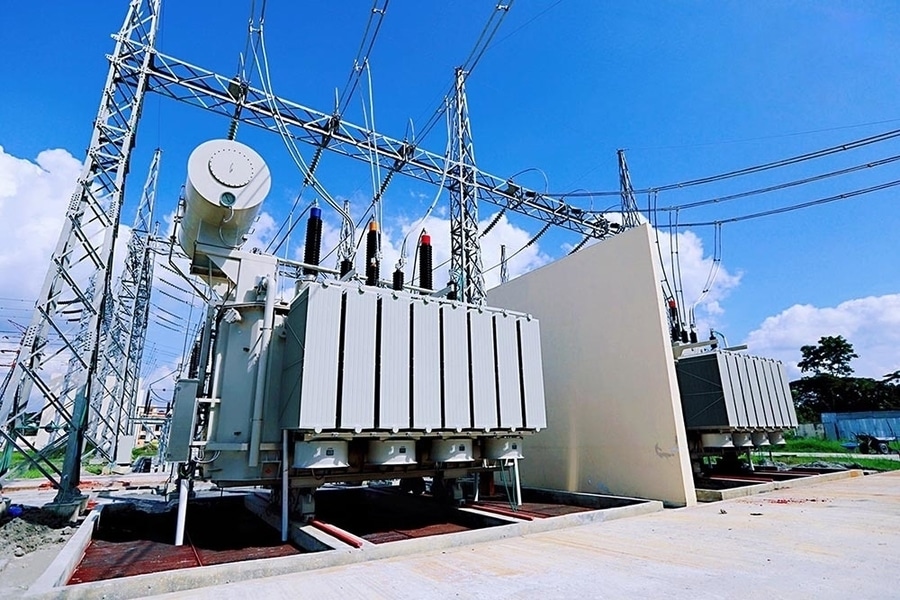
Traction Transformer supply electrical power to railway electrification systems
Traction Transformer
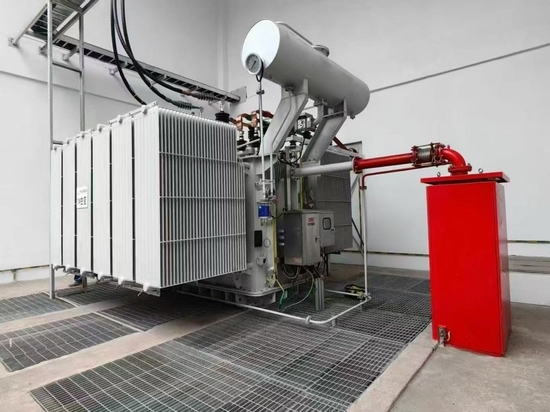
Traction Transformer is a specialized transformer designed to supply electrical power to railway electrification systems, including electric locomotives, metro systems, light rail, and high-speed rail networks. It converts utility-grid voltage to the voltage required by railway traction systems and is engineered to withstand frequent load fluctuations, short-circuit events, voltage surges, vibration, and harsh environmental conditions.
Traction transformers may be installed:
-In traction substations (ground-mounted)
-On board electric locomotives or electric multiple units (EMUs)
Working Principle
A traction transformer receives high-voltage AC power from the utility grid and steps it down to the voltage required for railway electrification or onboard traction equipment.
Substation Traction Transformer
1.Receives high-voltage power from the utility grid.
2.Reduces the voltage to the railway distribution voltage.
3.Supplies overhead catenary systems or third-rail networks.
4.Provides stable power for trains operating on the railway.
Onboard Traction Transformer
1.Receives power from the overhead catenary or pantograph.
2.Steps the voltage down for traction converters.
3.The converters supply traction motors and auxiliary systems.
4.Enables acceleration, cruising, regenerative braking, and auxiliary power.
Main Components
Magnetic Core
·High-grade CRGO silicon steel core
·Low-loss step-lap construction
·Designed for low noise and high efficiency
Windings
·Copper or aluminum conductors
·High mechanical strength
Multiple secondary windings for:
·Traction converters
·Auxiliary power systems
·Battery charging
·Heating, ventilation, and air conditioning (HVAC)
Insulation System
·Oil-paper insulation (substation transformers)
·Dry-type or resin insulation (certain indoor installations)
·High dielectric strength
·Reinforced insulation against switching surges
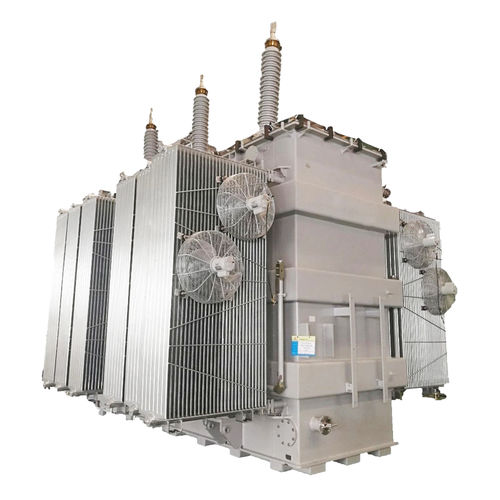
Cooling System
Typical cooling methods include:
·ONAN – Oil Natural Air Natural
·ONAF – Oil Natural Air Forced
·OFAF – Oil Forced Air Forced
·OFWF – Oil Forced Water Forced
·AN – Air Natural (dry type)
·AF – Air Forced (dry type)
Onboard traction transformers often use forced-air or forced-oil cooling because of space and weight constraints.
Typical Technical Specifications
·Rated Power: 500 kVA – 60 MVA
·Primary Voltage: 11 kV – 220 kV (substation); 15 kV or 25 kV AC (onboard input)
·Secondary Voltage: Customized for traction converters or railway feeders
·Frequency: 16.7 Hz, 25 Hz, 50 Hz, or 60 Hz (depending on railway system)
·Cooling: ONAN, ONAF, OFAF, OFWF, AN, AF
·Insulation: Oil-paper or dry type
·Tap Changer: Off-circuit or on-load (application dependent)
·Impedance: Optimized for traction duty
Key Features
·High overload capability
·Excellent short-circuit withstand strength
·Designed for cyclic and rapidly changing loads
·Compact and lightweight (especially onboard designs)
·High vibration and shock resistance
·Low noise and low losses
·Reliable operation under severe environmental conditions
·Long service life with low maintenance
Applications
·High-speed rail
·Metro systems
·Urban light rail
·Electric locomotives
·Electric multiple units (EMUs)
·Freight railways
·Railway traction substations
·Industrial rail transport
·Mining rail systems
Advantages
·Provides reliable power for railway operations
·Supports rapid acceleration and regenerative braking
·High efficiency and low operating losses
·Robust construction for demanding railway environments
·Flexible designs for different railway electrification systems
·High operational reliability and long service life
Design Considerations
Traction transformers are designed to withstand:
·Frequent overload cycles
·Voltage surges from switching operations
·Harmonics generated by power electronic converters
·Mechanical vibration and shock
·Wide ambient temperature variations
·Limited installation space (especially onboard)
·Fire safety requirements
Applicable Standards
Common international standards include:
·IEC 60076 – Power Transformers
·IEC 60310 – Traction Transformers and Inductors
·IEC 61373 – Railway Applications – Rolling Stock Equipment – Shock and Vibration Tests
·IEC 60571 – Electronic Equipment Used on Rolling Stock
·IEEE C57 series (where applicable)
·Railway operator and national railway specifications
Typical Traction Power System
·A railway traction power system generally consists of:
·Utility grid connection
·High-voltage switchgear
·Traction substation transformer
·Protection and control equipment
·Overhead catenary or third-rail system
·Pantograph or current collector
·Onboard traction transformer (AC systems)
·Traction converter
·Traction motors
·Auxiliary power supply systems
Summary
A Traction Transformer is a high-performance transformer specifically engineered for railway power systems. Whether installed in a traction substation or onboard a train, it provides efficient and reliable voltage transformation while withstanding the demanding electrical, thermal, and mechanical conditions of railway service. Its specialized design supports safe, efficient, and dependable operation of modern rail transportation systems worldwide.