
#Product Trends
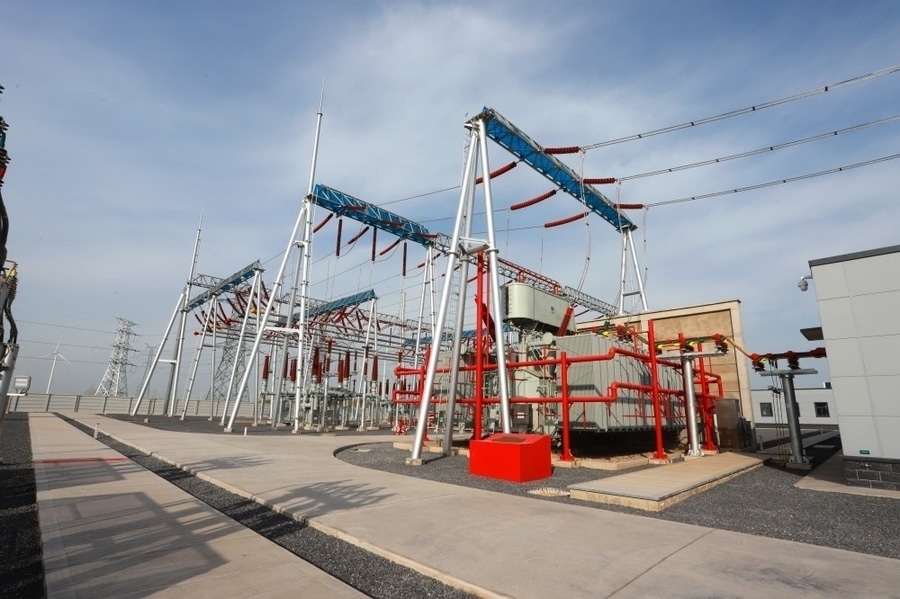
330kV Power Transformer offering the high efficiency and long-term operational reliability
330kV Power Transformer
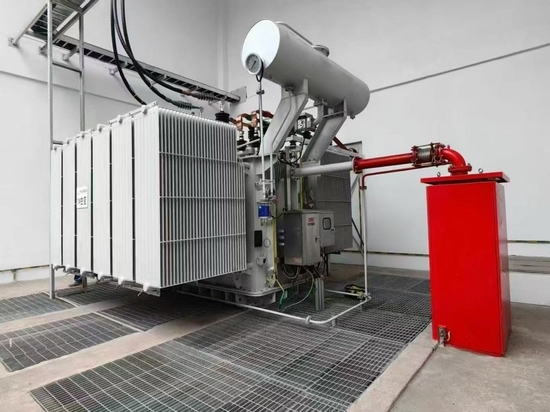
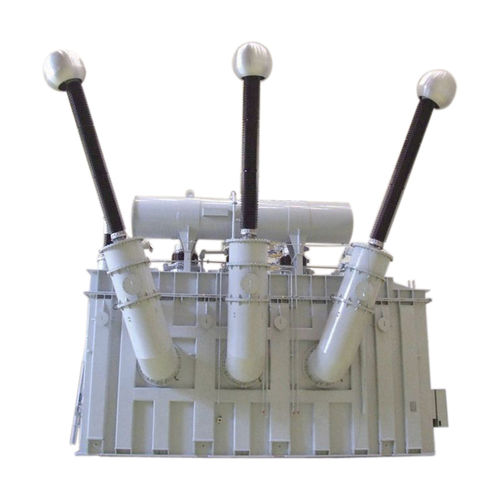
330 kV power transformer is an extra-high-voltage (EHV) transformer used in transmission systems to transfer large amounts of electrical power between the 330 kV grid and lower-voltage transmission or sub-transmission networks. It is commonly deployed by national utilities in countries that operate 330 kV transmission systems.
Typical Specifications
·Highest System Voltage: 362 kV
·Rated Voltage: 330/220 kV, 330/132 kV, 330/110 kV, 330/33 kV
·Rated Power: 150–600 MVA (commonly 250, 300, 400, 500 MVA)
·Frequency: 50 Hz or 60 Hz
·Number of Phases: Three-phase
·Cooling Method: ONAN/ONAF, OFAF, OFWF
·Insulation: Mineral oil or natural/synthetic ester
·Vector Group: YNd1, YNd11, YNyn0+d11, etc.
·Tap Changer: On-Load Tap Changer (OLTC)
·Percentage Impedance: Typically 12–20%
Main Components
·Laminated magnetic core
·330 kV high-voltage winding
·Medium- or low-voltage winding
·Main tank
·Transformer insulating oil
·Conservator tank
·Cooling radiators
·Cooling fans and oil pumps
·High-voltage porcelain or composite bushings
·On-load tap changer (OLTC)
·Silica gel breather
·Buchholz relay
·Pressure relief device (PRD)
·Oil level indicator
·Oil and winding temperature indicators
Common Voltage Ratios
·330/220 kV
·330/132 kV
·330/110 kV
·330/66 kV
·330/33 kV
Applications
·Extra-high-voltage transmission substations
·National transmission grids
·Large thermal, hydroelectric, and nuclear power stations
·Renewable energy transmission hubs
·Grid interconnection and bulk power transfer
Performance
·Full-load efficiency: 99.6–99.85%
·Expected service life: 30–50 years with proper operation and maintenance
Protection Systems
·Transformer differential protection (87T)
·Restricted earth fault (REF)
·Overcurrent and earth fault protection (50/51, 50N/51N)
·Buchholz relay protection
·Pressure relief protection
·Oil and winding temperature protection
·Overexcitation (24)
·Sudden pressure relay
·Surge arresters on high-voltage terminals
Factory Tests
Typical routine and type tests include:
·Winding resistance measurement
·Voltage ratio and vector group verification
·Insulation resistance (IR)
·No-load loss and excitation current
·Load loss and impedance voltage
·Applied AC withstand test
·Induced overvoltage withstand test
·Lightning impulse withstand test
·Switching impulse test (where specified)
·Partial discharge measurement
·Transformer oil dielectric and moisture tests
Applicable Standards
·IEC 60076 – Power Transformers
·IEEE C57 series – Power Transformer Standards
·IEC 60137 – Insulated bushings
·IEC 60296 – Unused mineral insulating oils
·IEC 60599 – Dissolved Gas Analysis (DGA)
Design Considerations
Because of the high operating voltage and power rating, 330 kV transformers are designed with:
·Enhanced insulation coordination
·Low-loss magnetic core materials
·Robust short-circuit mechanical strength
·Advanced cooling systems
·Online monitoring for oil, temperature, moisture, and dissolved gases
·Seismic and transportation considerations for large units
A 330 kV power transformer is a key asset in extra-high-voltage transmission networks, enabling the reliable transfer of hundreds of megawatts between generation plants and regional transmission systems while maintaining high efficiency and long-term operational reliability.