#Product Trends
How to Define Pressure and Time Parameters – ASTM D3078 Bubble Leak Test
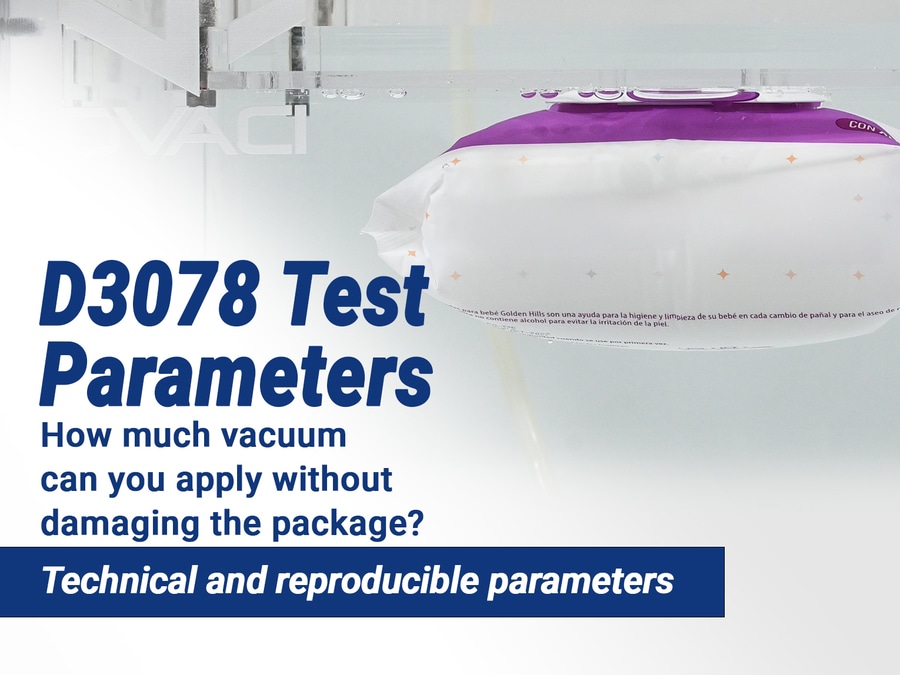
How much vacuum can you apply to detect real leaks without deforming the package?
How much vacuum should you apply to detect real leaks without damaging the package?
In flexible packaging leak testing, one of the most common questions is: how much vacuum is enough to detect a leak without deforming the package or generating false results? In this video, we explain how to define the right test parameters according to ASTM D3078, the standard test method for detecting gross leaks in flexible packaging by bubble emission.
You will learn:
How to establish the correct vacuum test parameters
What ASTM D3078 specifies and what it leaves to the user
How to improve result reliability in real laboratory conditions
We will also share a practical recommendation that is not explicitly included in ASTM D3078, but can significantly improve the consistency of your leak testing results.
What ASTM D3078 really says
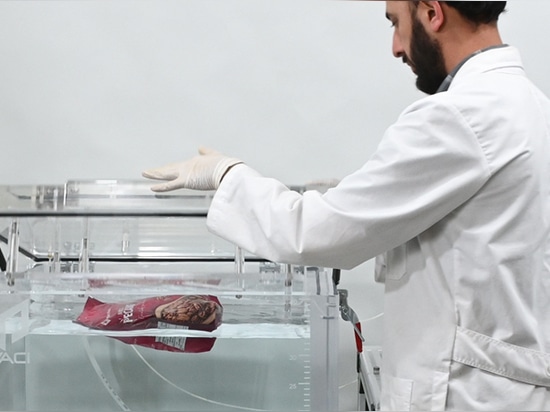
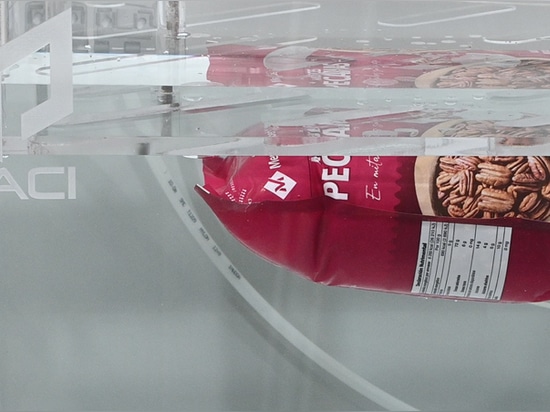
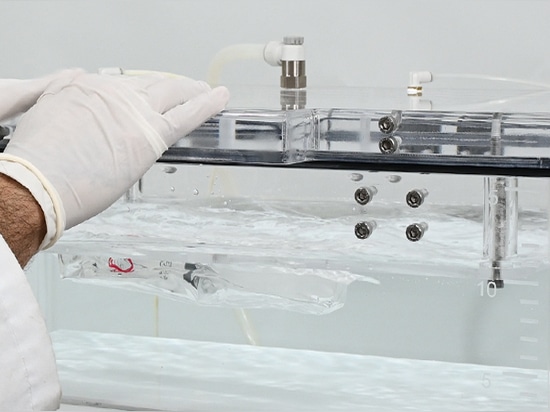
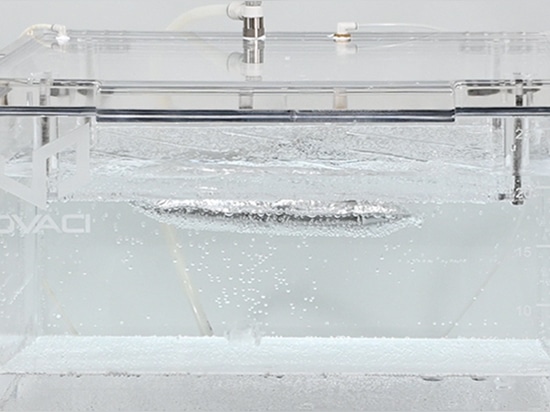
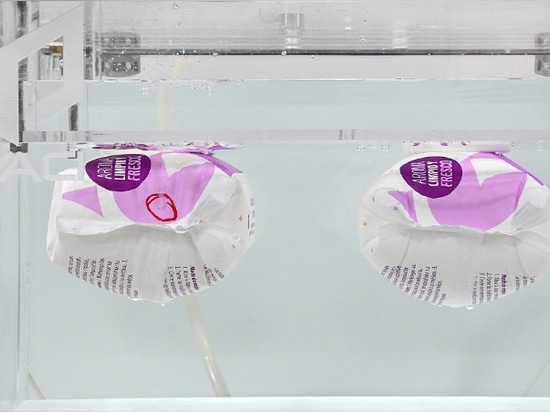
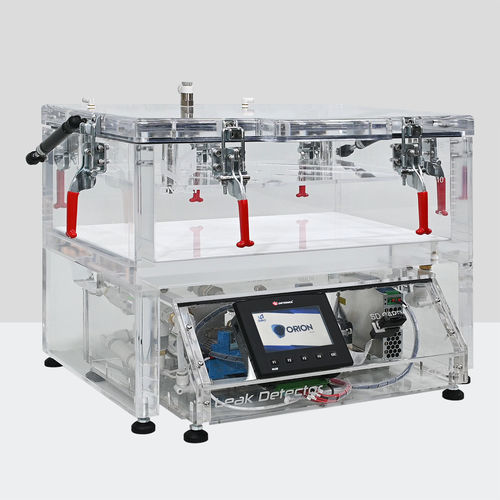
ASTM D3078 describes the bubble leak test for flexible packages. The package is submerged in water, vacuum is applied, and the operator observes whether bubbles are emitted. A continuous or localized stream of bubbles indicates a leak. If no bubbles appear and no fluid enters the package, the sample passes the test.
However, the standard does not define a universal vacuum level or a fixed exposure time for all packages. This is because packaging behavior varies according to material, dimensions, seal design, and mechanical resistance. For that reason, each laboratory must determine its own operating parameters.
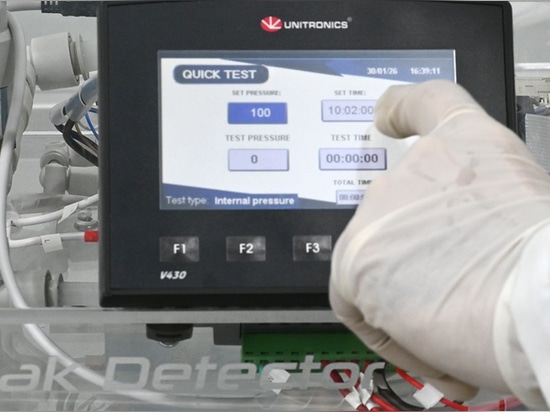
The standard recommends applying vacuum gradually, at approximately 1 inch of mercury per second, in order to avoid excessive stress on the package. Once the selected vacuum level is reached, it should be held for at least 30 seconds while the sample is observed. What ASTM D3078 does not specify is which vacuum level should be used. That is where practical methodology becomes critical.
How to define the correct vacuum level
ASTM D3078 indicates that the user should apply the highest vacuum capable of revealing leaks without deforming or damaging the package. To determine this, three limiting factors must be considered:
Package fragility
Package expansion under reduced pressure
Boiling pressure of the immersion fluid
Based on practical testing experience, DVACI also recommends considering a fourth factor: altitude and atmospheric pressure variation, especially when the packaging will be exposed to transportation or air shipment conditions.
1. Package fragility
Before selecting the vacuum level, it is essential to identify the failure pressure of the package: the point at which it begins to deform, delaminate, or fail under vacuum.
At DVACI, we recommend using approximately 70% of the package failure level as the working vacuum. This provides a strong enough pressure differential to reveal leaks while protecting package integrity.
Examples:
If the package fails at –70 kPa, a practical test level is around –50 kPa
If the package fails at –50 kPa, the test level should be near –35 kPa
This method is easy to reproduce, easy to validate, and highly useful in laboratory settings. Some packaging formats, such as easy-open or weak-seal designs, are intentionally less resistant in specific areas. In these cases, the selected vacuum must remain safely below the measured failure threshold.
2. Package expansion under vacuum
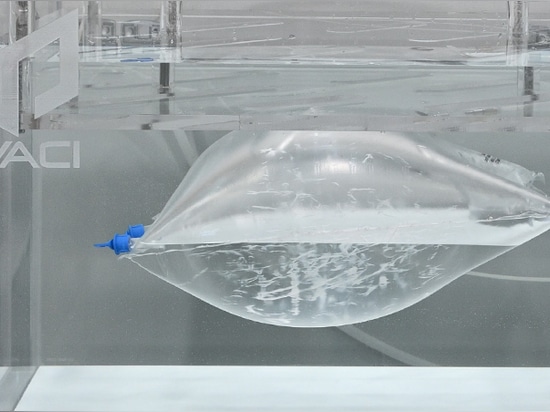
Some flexible packages can expand considerably under vacuum without actually bursting. Even when no visible damage occurs, this expansion changes the internal conditions of the package: volume increases, internal pressure drops, and test sensitivity may decrease.
This behavior can lead to test conditions that do not accurately represent real-world packaging performance. Although deformation can be estimated mathematically, those calculations are often difficult to apply consistently in routine quality control.
To simplify this process, DVACI has developed an AI-based prompt tool that helps laboratories determine recommended vacuum levels according to packaging type and test conditions. By entering the relevant package data, users receive practical guidance for parameter selection. This tool is available for laboratories working with DVACI equipment.
3. Boiling pressure and degassing of the immersion fluid
The third factor depends on the test fluid used during immersion. Pressure and boiling behavior are directly related. Just as water boils at lower temperatures at higher altitudes, the same principle applies inside a vacuum chamber when pressure decreases.
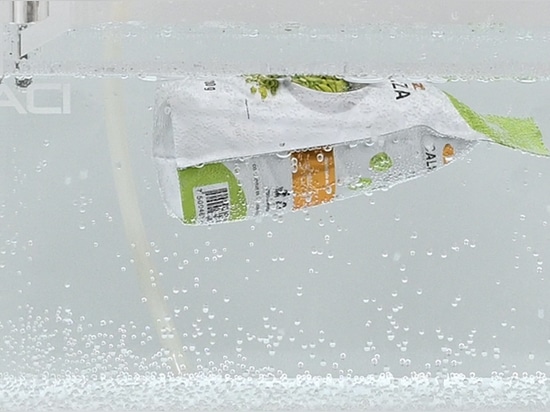
If a package has a leak, the internal gas expands and produces bubbles. But if the vacuum level is too high, the test fluid itself may begin to release bubbles, creating a false interpretation.
At 25 °C, water boils at approximately 3.17 kPa absolute, a pressure level rarely reached in routine ASTM D3078 tests. However, degassing occurs well before actual boiling. In practice, dissolved air may begin to come out of solution at around 15 kPa absolute, depending on water temperature and gas content.
Once this happens, the observed bubbles may no longer come from the package leak, but from the fluid itself. This reduces test reliability and makes visual interpretation more difficult.
For this reason, DVACI recommends visually identifying the pressure at which fluid degassing begins in your specific setup. That point defines the upper safe vacuum limit for the test.
DVACI recommendation for high-vacuum testing
When high vacuum levels are required, DVACI recommends pre-degassing the immersion fluid according to ASTM D4991. A practical method is to run a vacuum cycle without samples, hold the target pressure for at least 10 minutes, and then vent the chamber.
This simple step removes much of the dissolved gas from the fluid and helps reduce false bubbles during high-vacuum leak testing.
Alternative immersion fluids according to ASTM E515
Although water is the most widely used immersion fluid for bubble emission testing, it is worth reviewing ASTM E515, which describes other fluids that may be appropriate depending on the application. In some cases, fluids such as ethylene glycol or mineral oil may offer specific advantages for certain testing conditions or product types.
Altitude simulation and air transport conditions
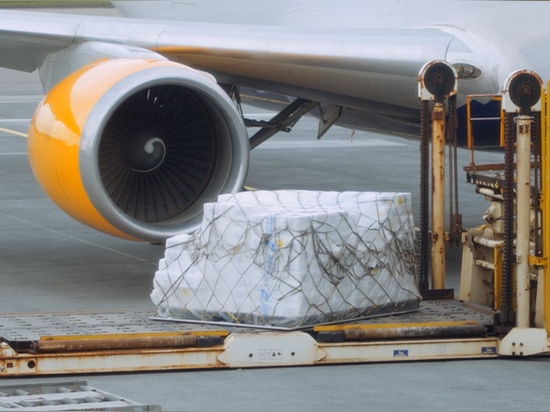
A frequent question from packaging manufacturers is whether their packages will leak during air transport. Commercial aircraft typically operate with cabin pressure equivalent to approximately 75 kPa absolute, which represents a pressure differential of about –25 kPa compared to sea level conditions.
These values are consistent with the test conditions described in ASTM D6653, the standard used for altitude simulation of packaging.
For example, if a package has a failure level close to –30 kPa, DVACI recommends performing two complementary tests:
A first test at –20 kPa, within the normal operating range for ASTM D3078 leak detection
A second test at –25 kPa, to evaluate packaging performance under typical aircraft cabin pressure conditions
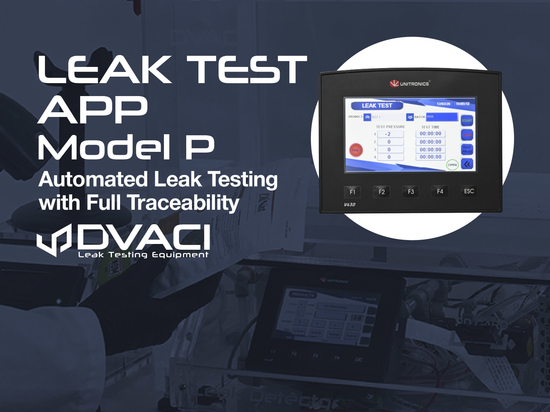
With the DVACI Model P control module, up to four different vacuum levels can be programmed in a single cycle, allowing controlled evaluation of package performance under multiple pressure conditions during one test.
Validate the setup with a control sample
Before finishing, here is one of the most valuable practical recommendations from DVACI: always use a control sample.
Although ASTM D3078 does not explicitly require it, using a package with a known, confirmed leak is one of the best ways to verify that the test setup is correctly adjusted and able to detect real defects. It also helps distinguish actual leaks from false positives caused by fluid degassing, handling issues, or incorrect vacuum selection.
A control sample improves method validation, strengthens confidence in the results, and supports more reliable leak testing in routine QA operations.
Need help defining your leak test parameters?
If you would like DVACI to evaluate your packaging samples, complete the contact form at dvaci.com. Our team can provide a free demonstration video with specific recommendations based on your packaging type, vacuum range, and test objectives.
If this content was useful, follow our stand and share it with your quality assurance and packaging engineering teams.