#Product Trends
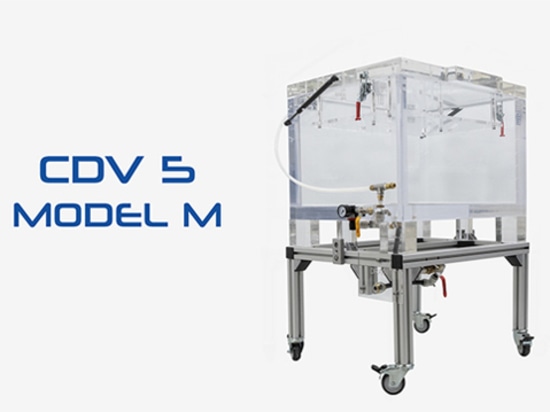
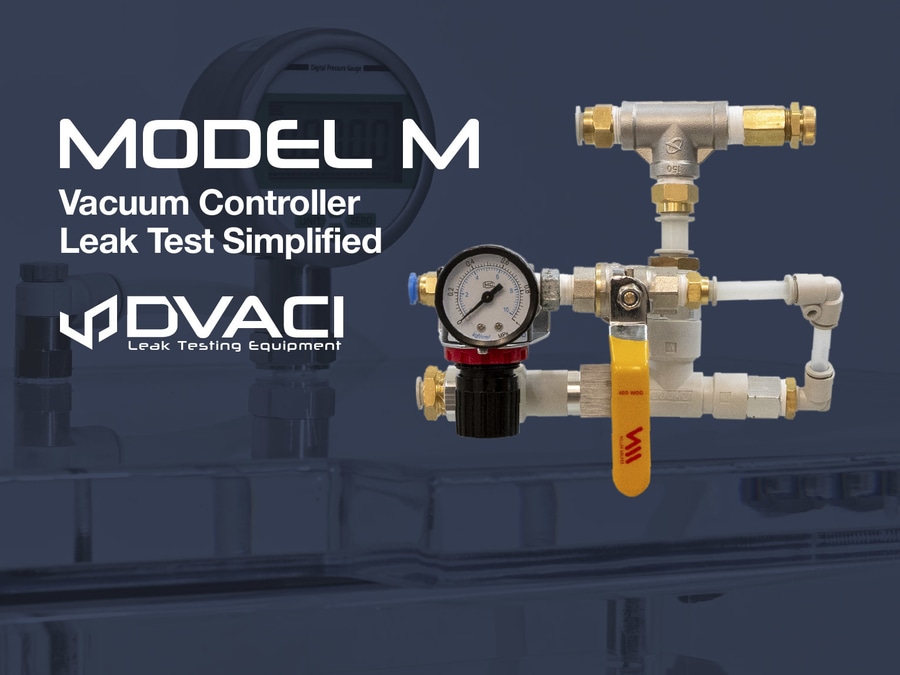
Model M - Vacuum Controller Leak Test Simplified
How to simplify leak integrity testing without sacrificing repeatability
Many companies perform leak integrity testing on packages and containers using systems that are too complex, depend heavily on operator skill, or deliver inconsistent results from one test to another. In this video, we show a simpler and more practical way to perform vacuum leak tests, and how to determine whether this type of solution is the right fit for your application.
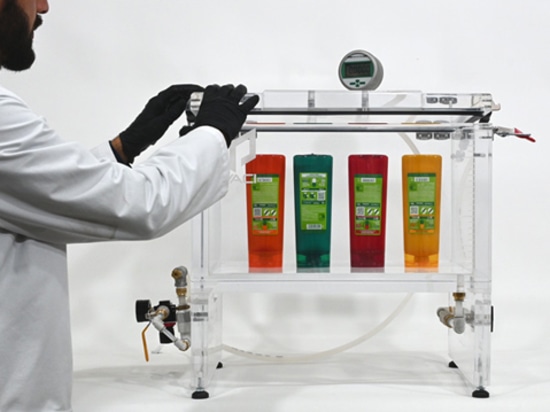
What if you could run a leak test in a vacuum chamber in just seconds, without complicated menus, advanced programming, or unnecessary configuration steps? That is exactly what this system is designed to do.
The result is a more direct testing process, where every action is immediate and controlled, while still maintaining the consistency required in industrial quality control.
A simple vacuum chamber control system for reliable leak testing
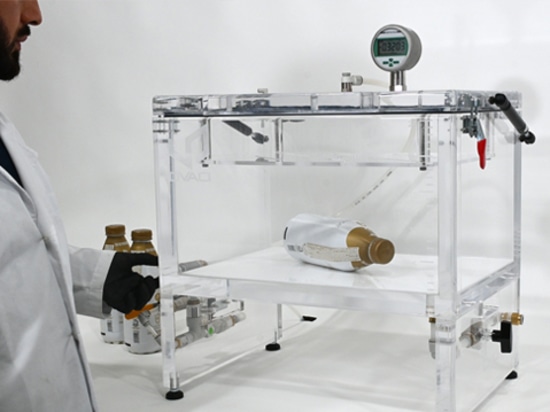
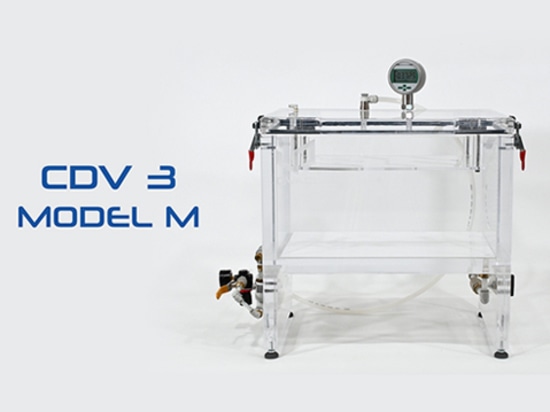
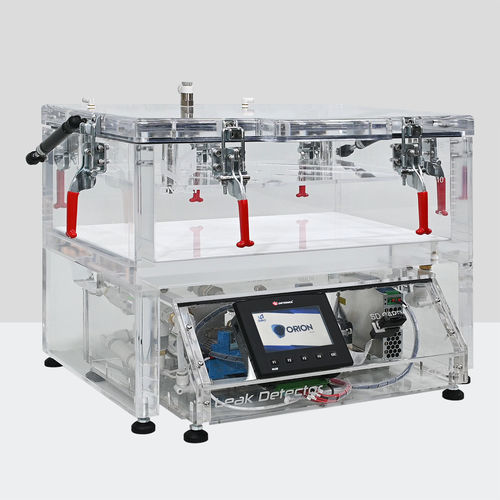
The M Module is a control system compatible with any CDV Vacuum Chamber. This gives manufacturers and laboratories the flexibility to select the chamber size they need while keeping the same operating logic across different workstations.
This provides several practical advantages:
A standardized leak testing system, even when vacuum chambers of different sizes are used in the same facility
One common operating method throughout the plant
A cost-effective way to begin with controlled investment while maintaining dependable test performance
For many companies, this is an important benefit. A simple system does not have to mean less control. In fact, this module is designed to provide repeatable vacuum test results while avoiding the complexity of more advanced automated systems when they are not yet necessary.
Consistent vacuum level control with reduced operator dependence
One of the most common concerns in vacuum leak testing is variability between operators. This system addresses that issue by combining manual control with repeatable vacuum setting capability.
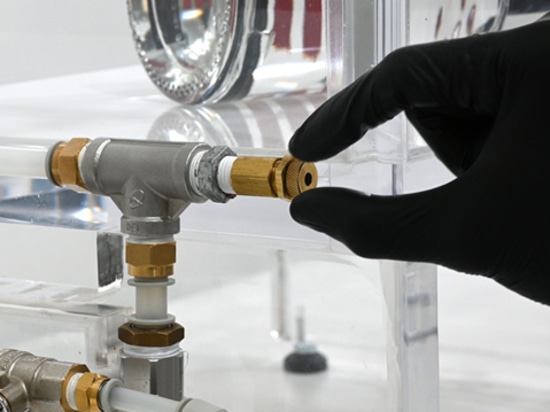
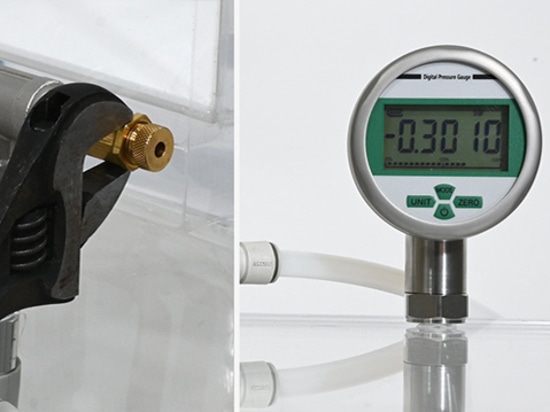
The vacuum level is adjusted through a manual valve and monitored directly on the vacuum gauge. At the same time, the module incorporates an air bleed system that allows the required test vacuum level to be preset and repeated consistently.
Once the correct setting is defined, it is locked with a locknut to prevent unintended changes. Any modification requires a tool, which helps protect the test setup and maintain process stability.
In practice, this means the operator simply actuates the valve, and the system reaches the same vacuum level each time. This reduces variability, improves repeatability, and makes the testing process easier to standardize across teams.
Clear digital vacuum reading for better test control
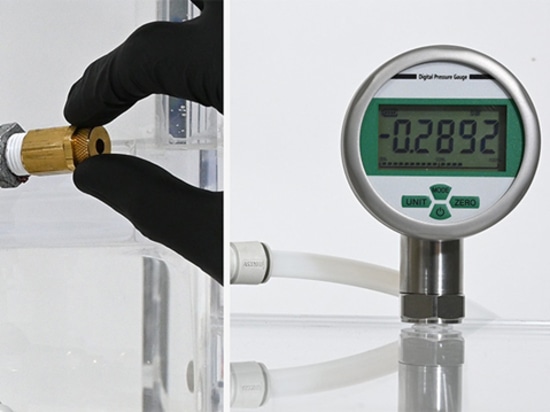
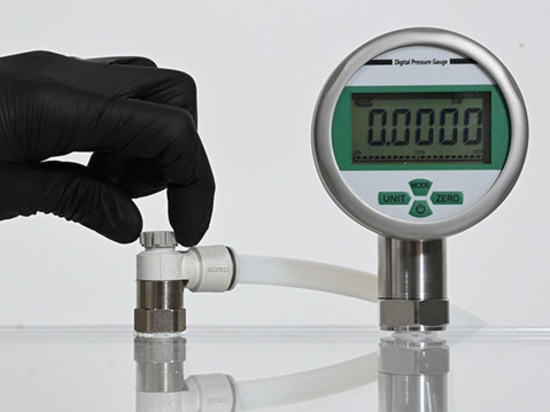
This system includes a digital vacuum gauge, offering a clear and precise reading during every test. While analog gauges may be less expensive, they are often more difficult to read accurately and can be more vulnerable to damage over time.
With a digital display, the vacuum value is visible at all times, allowing the user to confirm the exact test condition quickly and confidently. This supports better process control and reduces ambiguity during routine leak inspection.
Suitable for ASTM D3078 and other vacuum chamber test methods
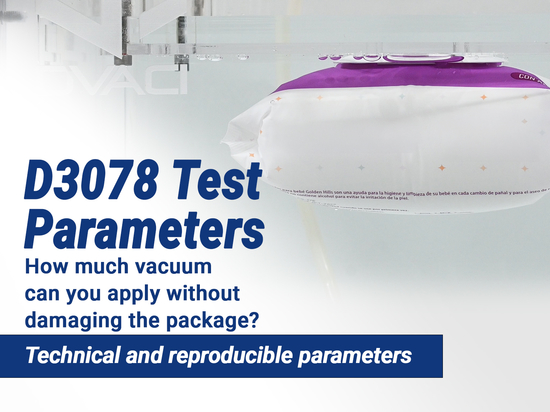
The M Module allows manufacturers and laboratories to perform tests in accordance with ASTM D3078, the standard method commonly used for detecting gross leaks in flexible packaging by vacuum bubble emission. It can also be used for other vacuum chamber leak test methods that require controlled reduced-pressure conditions.
With this system, users can perform:
Dry leak tests
Immersion leak tests
Visual leak detection in vacuum conditions
Simulations of atmospheric pressure changes during transport or storage
This makes the system useful not only for package integrity inspection, but also for applications where it is important to evaluate how packaging or containers behave under changing environmental pressure.
When a simple leak testing system is the right choice
This type of solution is ideal for companies looking for a practical, reliable, and budget-conscious leak testing system. It is especially suitable when the goal is to achieve consistent results without investing immediately in higher-level automation.
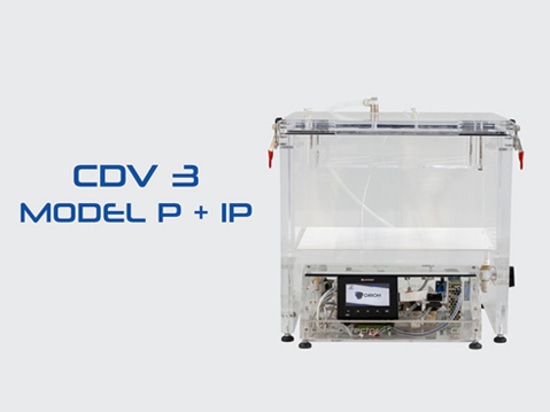
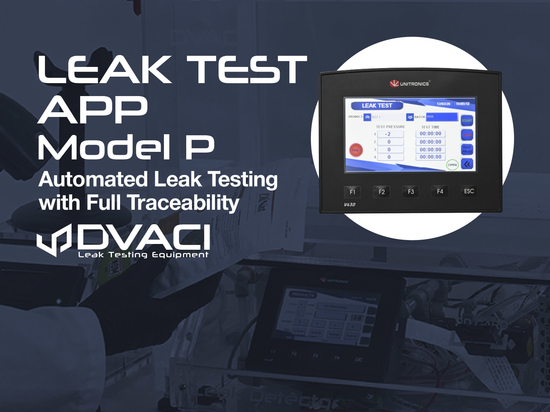
However, if your process requires advanced automation, digital traceability, recipe storage, or data management, then a more sophisticated control system may be a better choice.
The key advantage is that you do not need to make the final long-term decision from the start.
You can begin with this module and later upgrade the control system without replacing the vacuum chamber itself. This makes it easier to scale your leak testing process as operational requirements evolve.
Choosing the right leak test solution for your application
If you are wondering whether this type of system is sufficient for your testing needs, that is exactly the evaluation DVACI can help you make.
Every application is different. Leak integrity testing requirements vary depending on the packaging format, test method, production environment, traceability needs, and validation criteria. For that reason, the right solution should always be selected based on the real process conditions.
If you are interested in this module, contact us. We can help you determine whether it is the right option for your application, define expected delivery times, review installation requirements, and support implementation from the beginning.
And if you would like to improve your leak tests even further and avoid common setup mistakes, in the next video we explain how to correctly define the vacuum level for your tests.
Follow our stand for more practical content on leak integrity testing, vacuum chamber testing, and package leak detection.
Because in the end, it is not only about having equipment. It is about making the right decision from the start.