#Product Trends
Automatic Lubrication for Asphalt Mixing Plants
Automatic lubrication in the asphalt industry makes maintenance cycles predictable, reliably supplies hard-to-reach lubrication points, and measurably reduces maintenance costs.
Asphalt production is one of the most demanding industrial processes. Mineral aggregates, bitumen, and additives are mixed at high temperatures—day after day, often in continuous operation, under conditions of dust, moisture, strong vibrations, and temperature fluctuations that challenge both people and machinery. Under these conditions, lubrication is not a secondary detail. It directly determines operational reliability, plant availability, and economic efficiency.
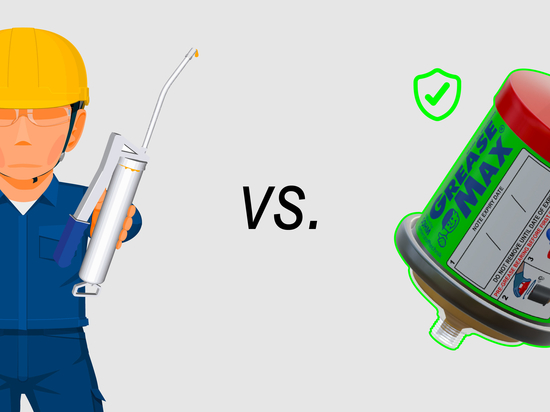
Many lubrication points are poorly accessible or located in hazardous areas—on rotating shafts, hot drives, or exposed bearing assemblies that cannot be safely serviced during operation. Manual lubrication quickly reaches its limits in this environment. Automatic lubricators take over this task reliably, continuously, and without intervention in ongoing production.
Why lubrication in asphalt mixing plants is so demanding
The challenges in asphalt mixing plants do not arise from a single load factor, but from the combination of several stresses during continuous operation.
High temperatures in the drying and mixing process cause grease to age significantly faster than under normal conditions. It loses its protective properties before a manual lubrication interval would typically replace it.
Dust and contamination from material processing—mineral dust and abrasion particles—penetrate bearing clearances, mix with grease, and act as an abrasive directly on the contact surfaces. Conveyor belts, bucket elevators, and material lifts are particularly exposed to this constant contamination.
Moisture and vibrations from wet raw materials, weather exposure, and the intense oscillations of rotating assemblies destabilize the lubricating film and wash lubricant out of bearings.
Difficult-to-access and hazardous lubrication points—at height, on hot surfaces, or directly on rotating components—make manual lubrication during operation a preventable safety risk. When lubrication intervals are extended due to time constraints or safety concerns, friction increases, bearing temperatures rise, and in the worst case the entire plant comes to a standstill.
Where automatic lubrication provides concrete benefits in asphalt mixing plants
Conveyor belts, bucket elevators, and material lifts transport large material volumes in continuous operation under heavy dust exposure. Rolling bearings and guide rollers are under constant load without meaningful relief phases. Automatic lubricators continuously supply small amounts of grease, stabilize the lubricating film, and reliably prevent premature bearing failures. This reduces downtime caused by single bearing failures that can stop the entire material flow.
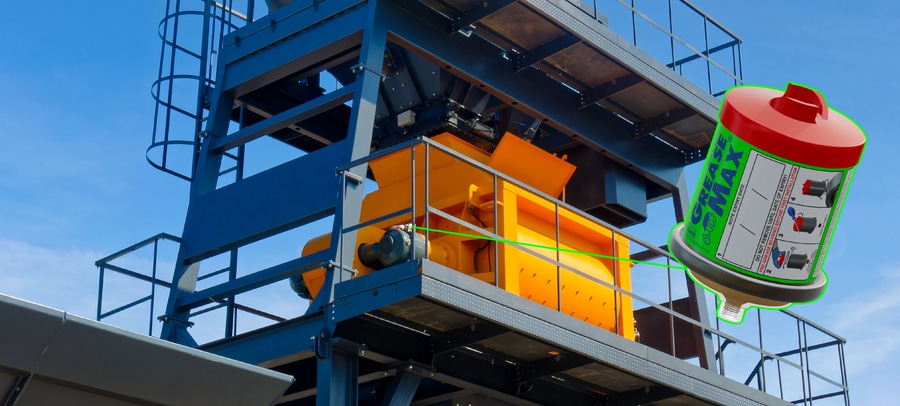
Dryers and parallel drum systems are exposed to high continuous thermal loads, intense heat generation, and strong vibrations. Manually applied lubricant is quickly thermally degraded or mechanically displaced under these conditions. Automatic lubricators, installed directly at the bearing or via hose connection, supply lubrication points continuously without requiring maintenance personnel to access thermally or mechanically hazardous areas. Bearing life is measurably extended, and maintenance intervals become reliably predictable.
Screw conveyors, exhaust fans, and ventilation units for material transport and dust extraction operate continuously under dust exposure, vibration, and fluctuating loads. Dry running due to forgotten or delayed lubrication is a frequent and avoidable cause of failure in these systems. Automatic lubricators ensure reliable supply of lubricant regardless of shift schedules or personnel availability.
Practical benefits for your operation
Continuous lubrication prevents the most common and simultaneously most avoidable failure causes in asphalt mixing plants. Every hour of production downtime generates significant costs.
Precise metering prevents over-lubrication and unnecessary grease consumption. Maintenance intervals become predictable, and emergency interventions become less frequent.
Manual lubrication on hot surfaces, rotating components, or at height is completely eliminated. This reduces accident risk and supports compliance with occupational safety regulations.
No grease excess, no slippery working areas, no contamination of the plant environment: precisely dosed lubrication keeps equipment clean and reduces overall lubricant consumption.
Well-lubricated bearings operate with lower friction resistance and measurably reduce the load on drive motors. In energy-intensive operations, this benefit accumulates significantly over the entire operating period.
GREASEMAX®: Proven lubrication solution for harsh operating conditions
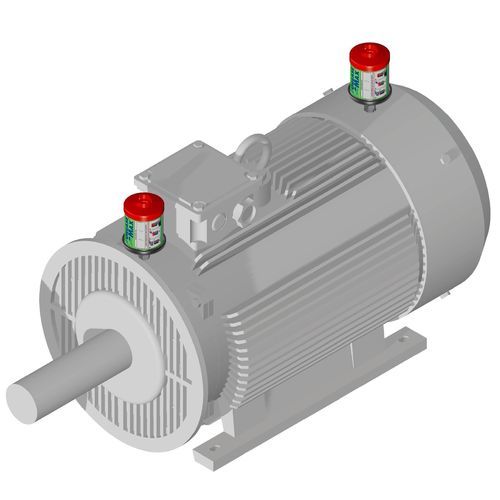
GREASEMAX® requires neither electricity nor batteries and operates purely through a chemical reaction—fully autonomous and independent of external power supply or electronic components.
For use in asphalt mixing plants, GREASEMAX® provides exactly the properties required under these conditions:
Its fully electronics-free design eliminates susceptibility to failure caused by heat, dust, or vibration. Operating periods of 1, 3, 6, or 12 months with constant, uniform lubricant output make consumption predictable, even under thermal and mechanical high-load conditions.
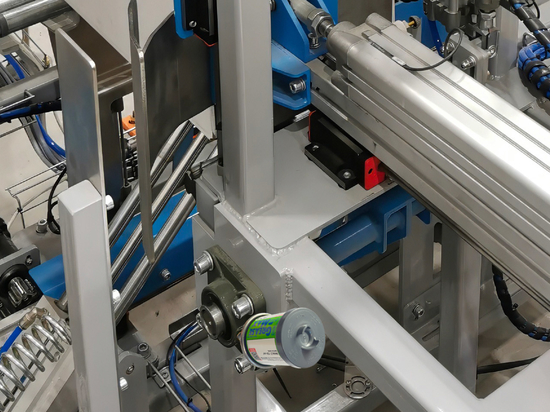
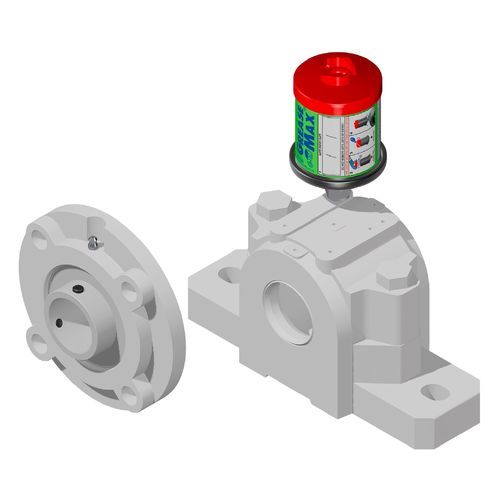
The sealed lubrication system reliably protects the lubricant from dust, dirt, and moisture ingress. Flexible installation directly at the bearing point or via hose connection up to two meters in length allows safe lubrication of hot, rotating, or hard-to-access points without personnel exposure.
Conclusion: Reliable lubrication is not a comfort feature in asphalt production—it is a requirement
In asphalt mixing plants, high temperatures, intensive dust exposure, and difficult-to-access lubrication points act on equipment simultaneously and continuously. Relying on manual lubrication under these conditions introduces avoidable risks—for equipment, production reliability, and maintenance personnel.
Automatic lubricators such as GREASEMAX® are not complex system solutions but robust, easy-to-integrate components that can be installed in almost any existing plant. No power supply, no electronics, and no modifications to existing control systems are required.