#Product Trends
Automatic Lubrication vs. Manual Lubrication: The Key Advantages at a Glance
Many industrial facilities still rely on manual lubrication based on fixed schedules and personal judgment. Yet this is exactly where avoidable costs, risks, and downtime arise:
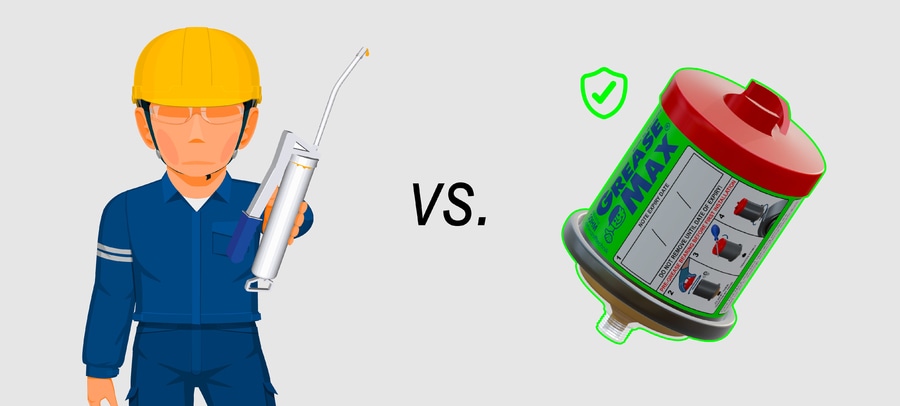
In almost every industrial facility, moving components are the key to smooth and reliable operations. Rolling bearings, plain bearings, chains, spindles, and linear guides all have one thing in common: they require regular and application-specific lubrication to ensure reliable performance and a long service life. In practice, however, lubrication is still often performed manually: a maintenance technician with a grease gun, a paper-based lubrication schedule, and lubrication points that are regularly skipped due to shift work or difficult accessibility.
The result is inconsistent lubrication, premature wear, and equipment failures that could easily have been prevented. Automatic lubricators solve this problem fundamentally, not by increasing supervision, but by eliminating manual effort, human error, and accessibility issues from the lubrication process.
Precise and Consistent Lubrication, Regardless of Operating Conditions
With manual lubrication, the quality of the result depends on several factors that are difficult to control reliably: the experience of maintenance personnel, available time, accessibility of the lubrication point, and the operating condition of the equipment. Too much grease causes churning losses and excessive heat generation, while too little lubrication leads to dry running and accelerated wear. Both are harmful, and both occur regularly with manual lubrication.
Automatic lubricators, on the other hand, dispense lubricant continuously at a controlled and consistent rate over a period of several months, regardless of whether the equipment operates around the clock, whether it is raining, or whether the lubrication point is difficult to access. The result is uniform grease distribution, stable lubrication conditions at the bearing, and significantly lower susceptibility to lubrication-related wear.
Predictable Maintenance and Significantly Reduced Manual Effort
Manual lubrication is a recurring maintenance task that consumes valuable personnel resources, often during planned equipment shutdowns that are accepted solely for maintenance purposes. In facilities with numerous lubrication points, large production areas, or frequent shift changes, this workload is substantial.
Automatic lubricators largely eliminate the need for routine manual lubrication. Once activated, the system supplies the lubrication point independently throughout the entire operating period. Maintenance intervals become predictable, allowing maintenance personnel to focus on tasks that genuinely require human expertise, such as diagnostics, inspections, and predictive maintenance. For maintenance managers, this means a measurable reduction in routine work while simultaneously improving process stability.
Greater Energy Efficiency and Lower Operating Costs Through Optimized Lubrication
A properly lubricated bearing operates with minimal friction. This directly affects the machine's energy consumption. Less friction means lower motor load, and in facilities with numerous drive systems, this effect accumulates over time, resulting in noticeable reductions in energy consumption.
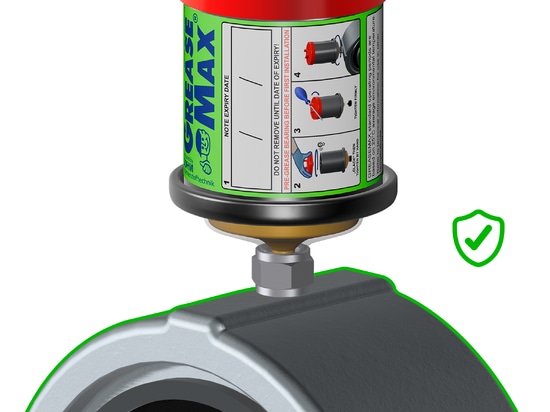
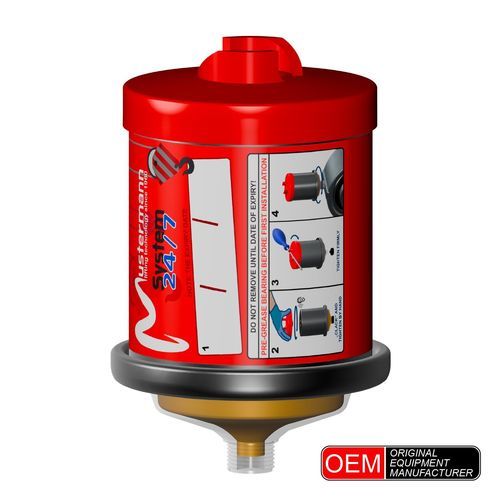
At the same time, controlled lubricant delivery prevents unnecessary lubricant consumption. Over lubrication, a common issue with manual lubrication, not only creates churning losses and contamination around the equipment but also wastes lubricant without providing any operational benefit. Automatic lubricators such as GREASEMAX® deliver exactly the amount of lubricant required by the bearing. This simultaneously reduces lubricant costs, waste disposal expenses, and wear on shafts, seals, and bearings.
Reliable Lubrication Wherever Manual Lubrication Reaches Its Limits
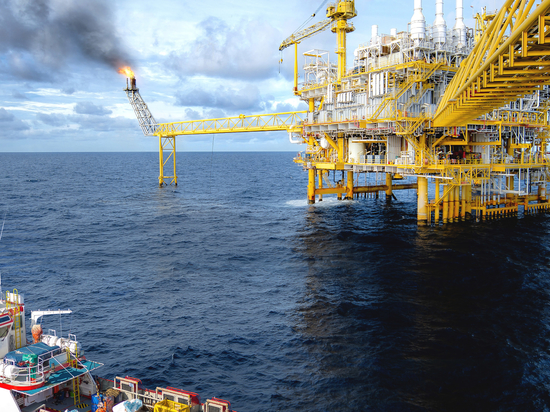
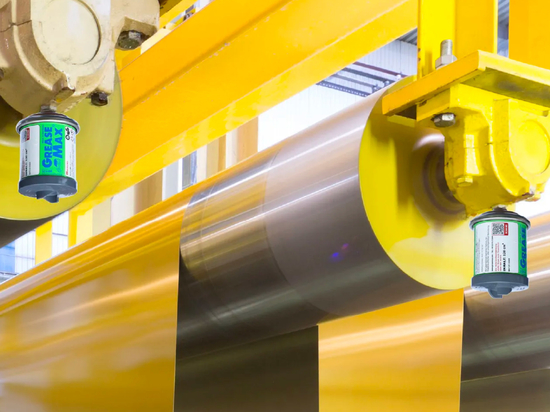
Many lubrication points in industrial facilities simply cannot be accessed safely while equipment is operating. These include lifting systems, crane guideways, elevated conveyor systems, ventilation equipment behind protective covers, and bearing points located near hot surfaces or rotating machinery. Servicing these points manually either requires shutting down the equipment or exposing maintenance personnel to unnecessary safety risks.
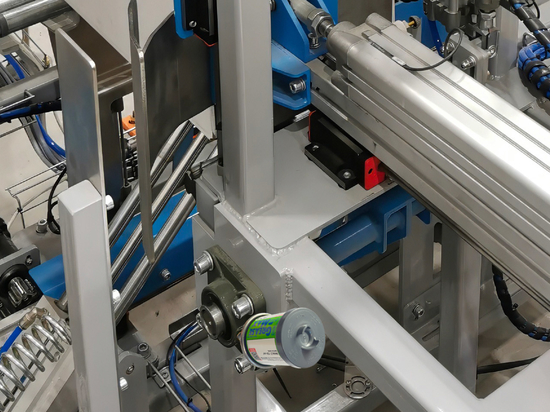
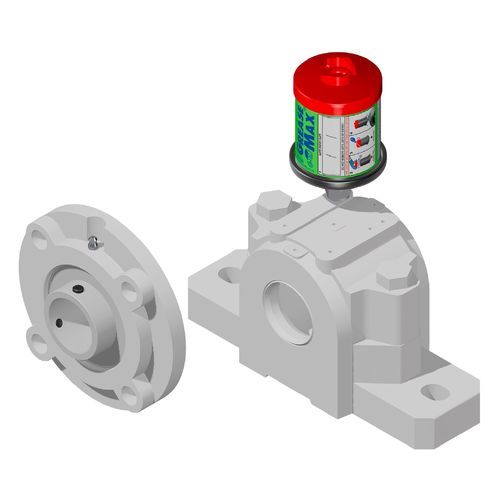
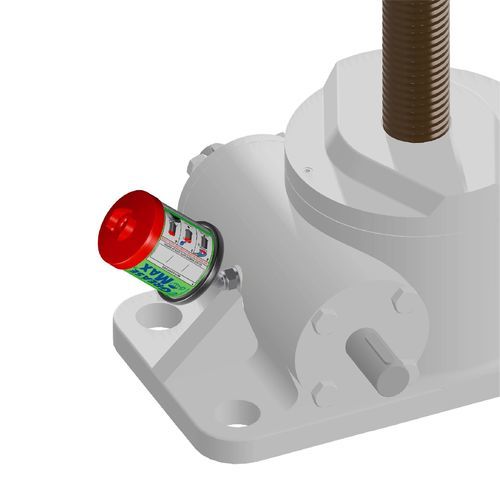
Automatic lubricators can be installed regardless of mounting position, either directly at the bearing or remotely via a hose connection up to two meters in length. This allows the lubricator to be mounted in a safe and easily accessible location while continuously supplying lubricant to the actual lubrication point. The result is uninterrupted lubrication during production, no unnecessary safety risks for maintenance personnel, and consistently reliable lubrication performance even under challenging operating conditions.
Sustainability and Resource Efficiency Without Compromise
Lubricators such as GREASEMAX® require neither electricity nor batteries. They operate entirely through a chemical reaction, making them fully autonomous and independent of external power supplies or electronic components. This not only reduces resource consumption but also eliminates many of the typical weaknesses associated with electronic lubrication systems. There are no failures caused by damaged cables, no malfunctions due to moisture or vibration, no battery replacements, and no electronic waste requiring disposal. Precise lubricant dosing also prevents over lubrication and lubricant leakage into the surrounding environment, delivering measurable economic and environmental benefits.
What Automatic Lubrication Means for Every Area of Responsibility
The benefits of automatic lubricators extend far beyond technical performance and create measurable value for every department within an industrial operation. For maintenance personnel, automatic lubrication means fewer routine tasks, predictable maintenance schedules, and significantly fewer unexpected bearing failures. For production and operations managers, the primary advantage is improved equipment availability through more stable production processes, fewer unplanned shutdowns, and a maintenance strategy that is proactive rather than reactive. For purchasing departments and project managers, automatic lubrication provides a cost effective solution with low initial investment, measurable savings in lubricant consumption, energy costs, and replacement parts, along with a clearly demonstrable return on investment.
Conclusion: Manual Lubrication Is Not a Standard Practice, It Is an Avoidable Risk
The question is not whether automatic lubrication is superior to manual lubrication. The real question is how much longer a company is willing to accept the costs and risks associated with manual lubrication, including increased wear, unplanned downtime, safety hazards, and unnecessary maintenance effort. Automatic lubricators such as GREASEMAX® are not a complex investment requiring extensive modifications. They are a simple, robust solution that can be integrated into virtually any existing industrial installation.