#Industry News
Automatic Lubrication in Offshore Facilities & Refineries
Discover how automatic lubrication protects critical components in offshore facilities and refineries, regardless of weather conditions and personnel availability.
Automatic Lubrication in Offshore Facilities & Refineries
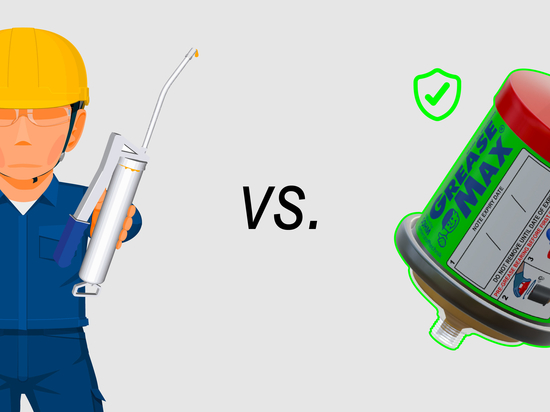
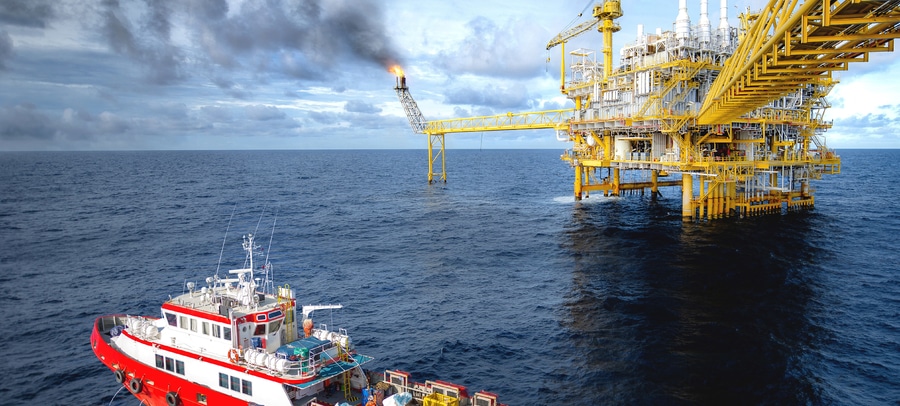
When the sea is rough, rotors are operating under heavy load, and maintenance teams are only available to a limited extent, the limitations of manual maintenance quickly become apparent. Offshore platforms and refineries are among the harshest operating environments in the world. Salt laden air, extreme temperatures, severe vibration, shock loads, and hazardous explosive atmospheres continuously affect machinery and critical components. Under these conditions, manual lubrication is not a reliable option. It is too dangerous, too time consuming, and too dependent on accessibility and personnel availability. Automatic lubricators take over this task continuously, precisely, and without interrupting daily operations, regardless of weather conditions or the number of personnel available on site.
Why Lubrication Is Safety Critical in Offshore Facilities and Refineries
The operating conditions in these environments are particularly demanding for lubrication points, not because of a single factor, but because of the combination and continuous presence of multiple challenges.
Salt laden air and aggressive corrosion continuously attack bearings, seals, and exposed surfaces in marine environments. Lubricant that is not replenished regularly loses its protective film, leaving components vulnerable to corrosion and material degradation.
Vibration, shock loads, and continuous operation of winches, pump drives, cranes, and ventilation systems mechanically destabilize the lubricant film. Under these conditions, manually applied lubricant is consumed much faster than fixed maintenance intervals can accommodate.
Hazardous ATEX zones make every manual intervention in or near these areas a significant safety risk for maintenance personnel.
High process temperatures and fluctuating environmental conditions, ranging from intense sunlight to freezing sea conditions, accelerate lubricant degradation and cause grease that is not designed for these varying loads or not replenished regularly to lose its protective properties prematurely.
Restricted accessibility and limited maintenance personnel further increase the challenge. Many lubrication points on offshore platforms are located in exposed, difficult to reach, or hazardous positions, while every hour of offshore maintenance requires considerable logistical effort.
Where Automatic Lubrication Delivers Practical Benefits
On offshore production facilities, winches, pump drives, cranes, and ventilation systems are continuously exposed to saltwater, vibration, and varying loads. Manual relubrication of these components often requires maintenance work in exposed outdoor conditions, creating an unnecessary risk for personnel. Automatic lubricators provide reliable and continuous lubrication of these bearing points regardless of weather conditions, eliminating the need to access exposed areas of the installation. Even during heavy seas, lubrication remains uninterrupted, ensuring maximum equipment availability.
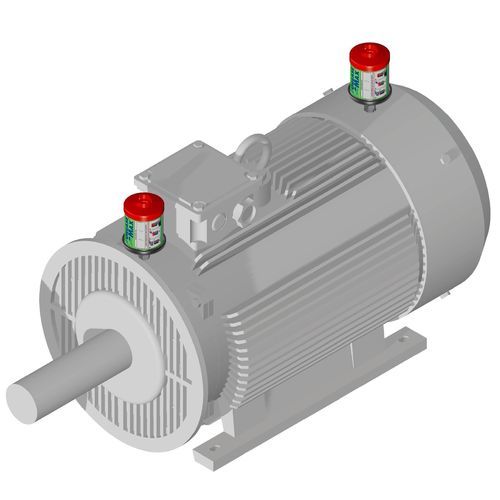
In refineries across upstream, midstream, and downstream operations, agitators, electric motors, fans, and conveying equipment operate under high process temperatures, fluctuating loads, and the special requirements of hazardous ATEX areas. Both overheating caused by insufficient lubrication and grease leakage caused by over lubrication present serious challenges. Automatic lubricators dispense lubricant accurately and consistently at all times without depending on maintenance schedules or shift patterns.
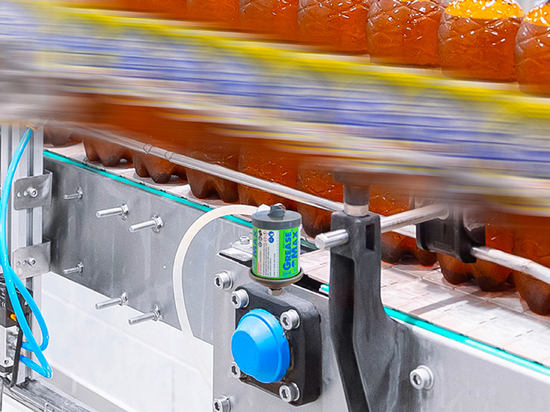
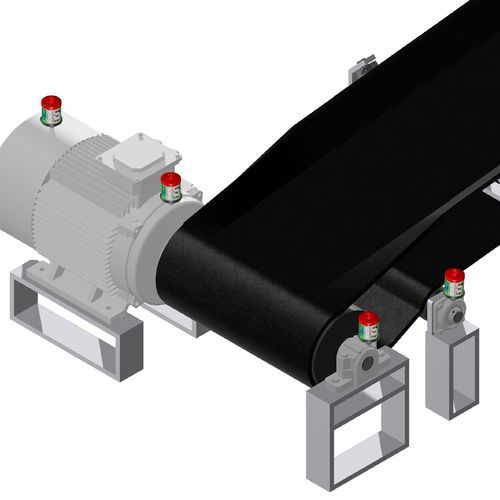
During transportation and loading operations, conveyor belts, slewing mechanisms, and reels connect conveying, processing, and loading stations while operating under impact loads and changing weather conditions. Automatic lubrication ensures consistent grease supply to every bearing point and reliably maintains the protective lubricant film, even during irregular operating cycles and varying load profiles.
Practical Benefits for Your Operation
A continuous lubricant film prevents saltwater and aggressive process media from directly attacking bearing surfaces. Bearings remain permanently protected, even between scheduled maintenance intervals. Lubrication points located in ATEX zones, exposed structural areas, or difficult to access locations no longer require manual servicing, significantly reducing accident risks and simplifying compliance with safety regulations. Continuous lubrication of critical equipment such as pumps, gearboxes, fans, and cranes systematically reduces the causes of equipment failure. In environments where every shutdown results in significant repair costs and complex personnel logistics, this directly improves operational efficiency. Automatic lubricators extend inspection intervals, make maintenance predictable, and reduce unplanned emergency maintenance to an absolute minimum.
GREASEMAX®: Reliable Lubrication for Extreme Operating Conditions
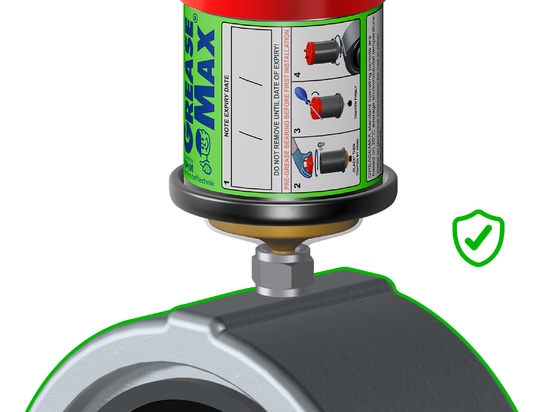
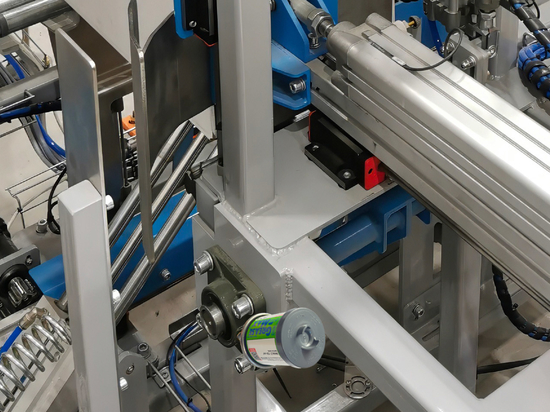
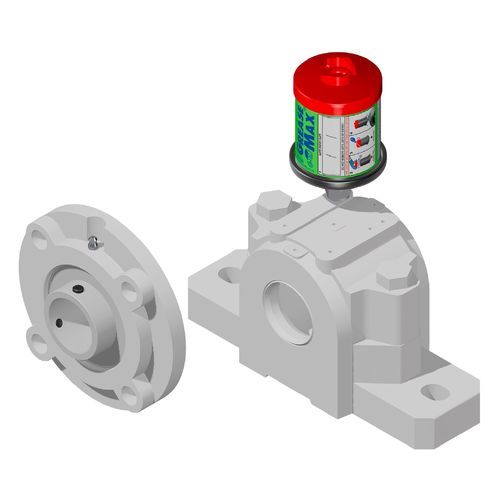
GREASEMAX® requires neither electricity nor batteries. It operates entirely through a chemical reaction, making it fully autonomous and independent of external power supplies or electronic components. In environments where electronics are exposed to saltwater, vibration, and extreme temperatures, this completely electronics free design offers a decisive advantage. Its sealed lubrication system reliably protects lubricant against saltwater, aggressive process media, and contamination, even in direct marine environments and humid process areas. Operating periods of 1, 3, 6, or 12 months with constant and consistent lubricant delivery make maintenance planning straightforward without relying on electronics or external power. Its vibration resistant and weather resistant construction is engineered specifically for the mechanical and climatic conditions encountered offshore and in refineries. Flexible installation directly at the bearing or via a hose connection up to two meters in length allows lubrication points in exposed locations, hazardous ATEX zones, and difficult to access areas to be supplied safely.
Conclusion: Automatic Lubrication Is Not a Convenience, It Is a Necessity
In offshore facilities and refineries, where wind, salt, explosion hazards, and limited personnel availability are part of everyday operations, automatic lubrication is not an optional enhancement. It is a strategic solution that simultaneously improves safety, equipment availability, and operational efficiency. Continuing to lubricate critical points manually under these conditions means accepting avoidable risks for equipment, personnel, and the entire operation. The effort required to implement automatic lubrication is modest. The consequences of failing to do so are not.