#Product Trends
Automatic Lubrication in the Automotive Industry
Learn how automatic lubricators improve production reliability and maintenance efficiency in the automotive industry.
From press shops and body assembly to paint shops and final assembly, equipment in the automotive industry operates at high cycle rates with rapid movements and narrow process windows, often in continuous multi shift production. Even minor disruptions have an immediate impact on quality and delivery performance. At the same time, moisture, dirt, dust, and vibration constantly affect bearings, guideways, and drive systems. To keep these systems operating reliably, lubrication must be precise, continuous, and independent of personnel availability. Manual lubrication cannot keep pace with these requirements. Automatic lubricators such as GREASEMAX® close this gap for you.
Why Lubrication Is Especially Demanding in Automotive Production
In practice, lubrication remains an often underestimated task in the automotive industry. Many lubrication points are difficult to access or located in safety critical areas inside presses, automated machinery, conveyor systems, or behind protective guards.
High cycle rates and continuous operation in presses, body assembly, and production lines leave virtually no room for maintenance interruptions. Lubrication intervals based on calendar schedules are not suitable for facilities measured by production cycles and shift patterns.
High temperatures and moisture in painting and drying areas accelerate lubricant degradation significantly. Grease that would normally last for months loses its protective properties much sooner under these conditions.
Dust, dirt, and particles in conveyor and logistics systems penetrate bearing clearances and act as abrasive contaminants directly on rolling surfaces.
Constant vibration and changing loads in drive systems and handling equipment mechanically destabilize the lubricant film and place much greater stress on bearings than continuous loads.
When maintenance and lubrication intervals are extended because of limited time or difficult access, friction increases, bearing temperatures rise, and premature wear occurs. The direct result is reduced process reliability and lower delivery performance. In production lines operating with just in time and just in sequence processes, stable lubrication conditions are not a minor detail. They are an essential requirement.
Where Automatic Lubrication Delivers Real Benefits in Automotive Production
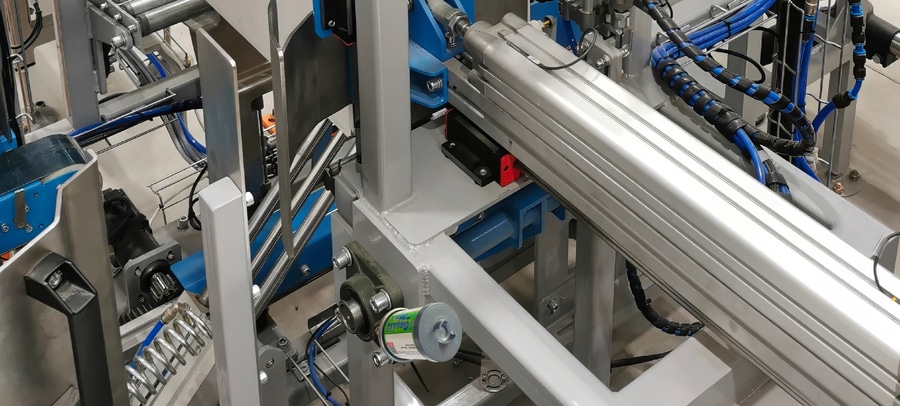
Difficult to access bearings inside protected machine areas, behind covers, or close to moving equipment can be supplied safely and automatically through lubrication lines up to two meters long. This eliminates the need for maintenance personnel to enter hazardous areas. Components receive the exact amount of grease required on a continuous basis, regardless of shift schedules.
Drives and Motors
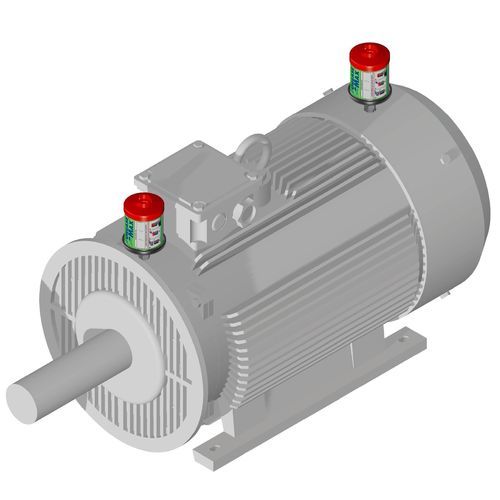
Electric motors, pumps, blowers, fans, and open gear systems are continuously exposed to vibration and heat. Automatic lubrication keeps the lubricant film stable, reduces temperature peaks, and measurably extends component service life. Lower friction also reduces energy consumption and drive loads.
Conveyor and Material Handling Systems
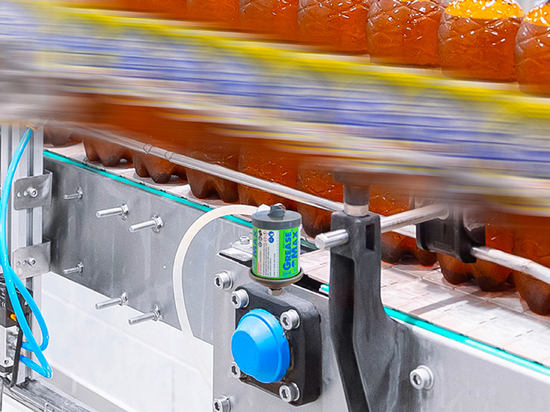
Conveyor belts, chains, and cranes used in body assembly and final assembly lines must operate continuously without stopping for relubrication. Automatic lubricators continuously supply these lubrication points and allow relubrication during operation. This significantly reduces downtime during product changeovers and setup procedures.
The Practical Benefits for Your Operation
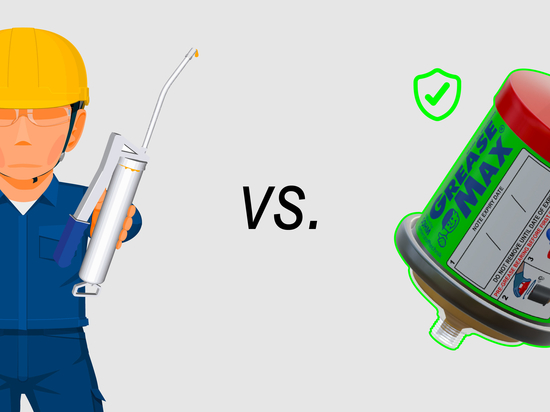
Critical lubrication points receive neither too little nor too much lubricant. Components are supplied evenly and consistently, while pressure peaks caused by manual grease guns are completely eliminated.
Low friction bearings measurably reduce drive power requirements and energy consumption. In production environments with numerous drive systems, these savings accumulate significantly over time.
Manual relubrication in hazardous or confined areas is no longer necessary, reducing accident risks and making compliance with workplace safety regulations much easier.
Predictable maintenance intervals with operating periods of 1, 3, 6, or 12 months simplify maintenance planning and free skilled personnel to focus on analysis, process improvements, and troubleshooting instead of routine lubrication tasks.
Precise lubricant dosing also reduces grease consumption, cleaning effort, and environmental impact around production equipment.
GREASEMAX®: A Self Contained Lubrication Solution for Demanding Manufacturing Environments
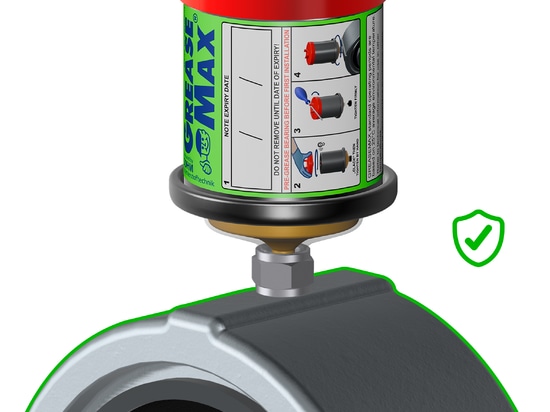
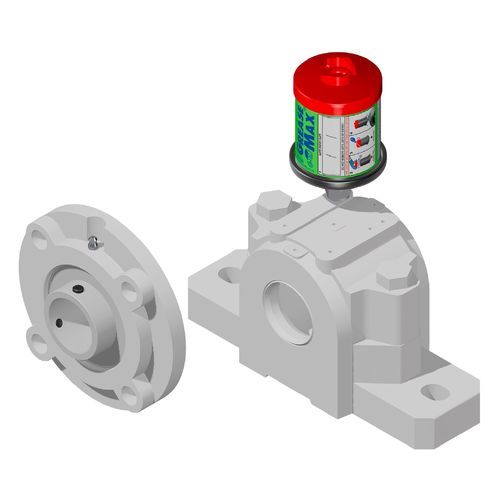
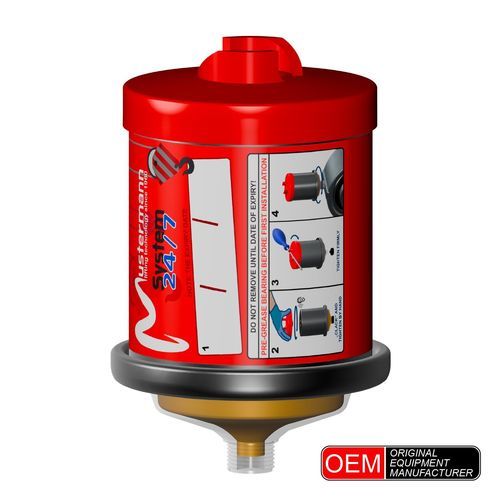
GREASEMAX® is a gas powered single point lubricator that requires no electricity, electronics, or external control system. For automotive applications, it offers the key features that matter most.
Continuous lubricant delivery keeps the lubricant film stable at all times without pressure peaks, dry running periods, or dependence on production shifts.
Its completely self contained design eliminates susceptibility to vibration, heat, and electromagnetic interference commonly found in press shops and paint facilities.
Operating periods of 1, 3, 6, or 12 months make lubricant consumption predictable and allow precise integration into existing maintenance schedules.
Flexible installation directly at the lubrication point or through hose connections up to two meters long ensures reliable lubrication even where limited space, safety guards, or installation constraints prevent direct mounting.
Conclusion: Stable Lubrication Conditions Are Not a Convenience in Automotive Production. They Are a Process Requirement
In vehicle manufacturing, every hour of equipment availability directly affects productivity and delivery performance. Companies that still rely on manual lubrication accept avoidable risks with measurable consequences for wear, energy costs, and downtime. Automatic lubricators such as GREASEMAX® are not a complex centralized lubrication system. They are a robust and easy to integrate solution that can be installed throughout existing production lines, from the press shop to final assembly.