#Industry News
Automatic Lubrication in Recycling Technology
Recycling plants push components to their limits every day. Learn how automatic lubrication reduces downtime and permanently relieves maintenance workloads.
Recycling plants rarely operate within a comfort zone. High cost pressure, fluctuating input streams, and tight delivery contracts meet mechanical stresses that are consistently high across virtually no other industry: abrasive media, dust, dirt, moisture, strong vibrations, and changing temperatures place continuous strain on bearings, drives, and seals.
Every unplanned shutdown directly affects throughput and margins. In operations that often work with limited personnel and large plant layouts, manual lubrication is a weak point that can hardly be managed reliably. Lubrication points are located in shafts, on rotating components, or at great heights. During operation, many of them are simply inaccessible. The result is premature bearing wear, frequent failures, and maintenance costs that could be significantly reduced with simple measures. Automatic lubricators address exactly this issue.
Why manual lubrication reaches its limits in recycling operations
The conditions in recycling plants are particularly unfavorable for lubrication points - not because of a single load factor, but because of their combination.
Dust and abrasive particles generated during crushing, screening, and conveying create a permanent load. They penetrate bearing clearances, mix with grease, and act as abrasive material directly on the contact surfaces. This contamination is especially unavoidable in coarse processing stages.
Strong vibrations from shredders, mills, crushers, and conveying systems destabilize the lubricating film and gradually force lubricant out of the bearing. Manual relubrication is typically performed at intervals that do not match the actual wear conditions.
Moisture and chemical exposure in washing plants, wet sorting systems, and drum washers wash out conventional greases and promote corrosion on bearings and seals.
Difficult-to-access and hazardous lubrication points turn manual lubrication into an exception rather than a routine task during operation.
In practice, this means lubrication is postponed until a failure forces the decision.
Where automatic lubrication provides concrete benefits in recycling plants
Processing: crushing, grinding, screening
Mechanical loads are at their highest during size reduction and screening. Hammer mills, impact mills, shredders, granulators, vibrating screens, and drum screens operate under extreme impacts, high rotational speeds, and intense particle abrasion. Under these conditions, manually applied lubricant is quickly displaced. Automatic lubricators continuously deliver small amounts of grease, stabilize the lubricating film, and prevent bearing dry running. Failures in crushing and screening units are significantly reduced.
Processing stage: separation, cleaning, drying
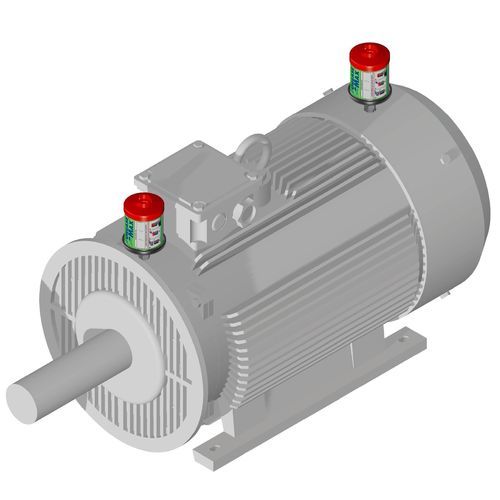
Abrasive media, moisture, cleaning chemicals, and strongly fluctuating temperatures dominate these processes. Air classifiers, sorting systems, screw conveyors, drum washers, dryers, and recirculation systems are equally affected. Automatic lubrication prevents grease washout in wet areas and reliably protects seals and bearings against corrosion. Fans, blowers, and electric motors operate with reduced friction and measurable energy savings.
Final processing: transport, sorting, packaging
A stable material flow determines efficiency and delivery reliability. Conveyor systems, chain and roller conveyors, deflection stations, baling presses, and packaging systems must operate reliably under shift work and varying loads. Automatic lubrication ensures consistent grease supply, reduces friction in chains and bearings, and stabilizes material flow. Disturbances caused by neglected lubrication points are systematically reduced.
Practical benefits for your operation
Continuous lubrication prevents the most typical bearing failures, which are among the most common and avoidable causes of downtime in recycling plants. Longer maintenance intervals, predictable servicing, and significantly fewer emergency interventions increase overall equipment effectiveness and reduce pressure on maintenance budgets.
Lubrication points on rotating equipment, in confined shafts, or at height no longer require manual access, reducing accident risk and simplifying risk assessments.
Well-lubricated bearings operate with reduced friction resistance, relieve drive motors, and lower energy consumption—a relevant factor in energy-intensive recycling processes.
Automatic systems ensure that all lubrication points are reliably supplied, regardless of staffing levels, shift schedules, or daily maintenance workload. Precisely metered delivery prevents over-lubrication and avoids grease leakage in the plant environment, improving both efficiency and cleanliness.
GREASEMAX®: robust lubrication solution for demanding recycling environments
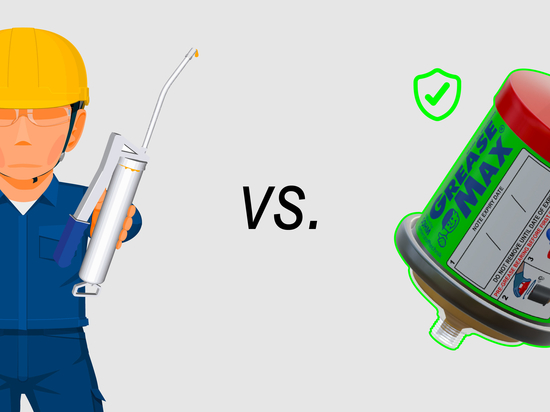
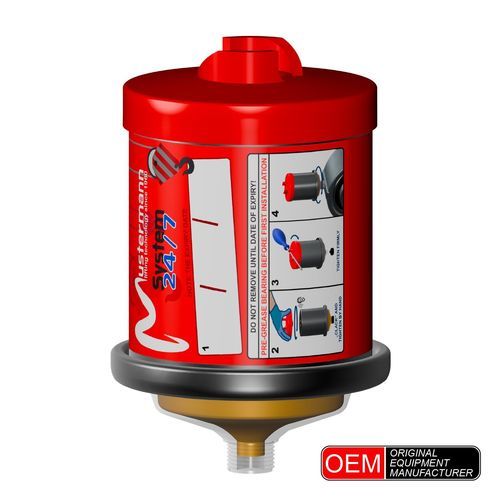
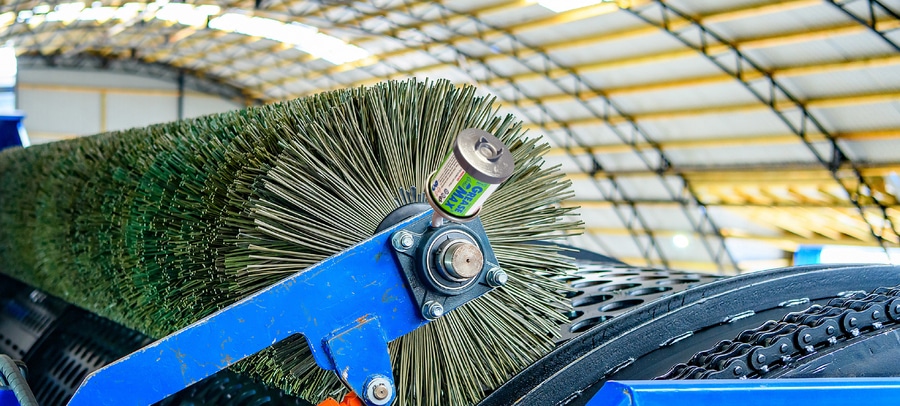
GREASEMAX® is a gas-driven single-point lubricator that requires no electricity, no electronics, and no external control system. For use in recycling plants, it provides exactly the properties required under these demanding conditions.
Its sealed lubrication system reliably protects the lubricant from dust, dirt, moisture, and abrasive particles. Operating periods of 1, 3, 6, or 12 months with constant, uniform lubricant output make consumption fully predictable—without electronics or complex mechanics.
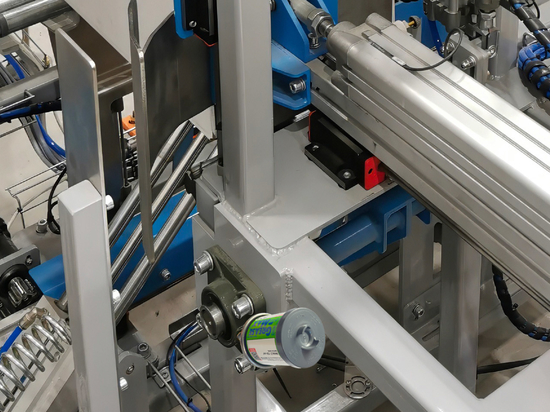
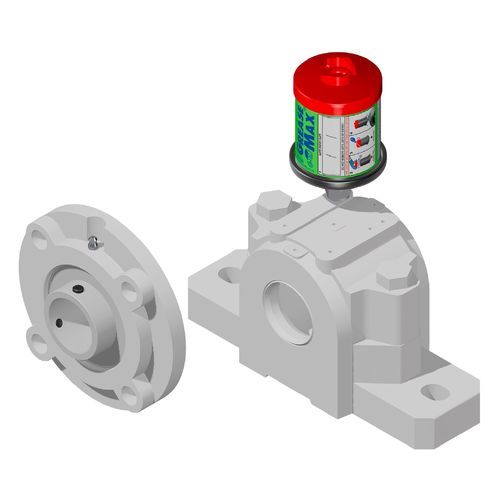
Its vibration-resistant and weatherproof design is built for continuous operation under the conditions typical in recycling environments. Flexible installation directly at the bearing point or via hose connection up to two meters allows lubrication points to be relocated away from hazardous or hard-to-reach areas—a particularly important advantage in recycling applications.
Conclusion: automatic lubrication as an efficiency driver in every process stage
From primary crushing through sorting and cleaning to final processing, every stage of the recycling process benefits measurably from automatic lubrication.
Higher availability, reduced downtime, improved safety, and lower maintenance effort make automatic lubricators one of the most effective levers for efficiency and profitability in recycling operations.