#Industry News
Automatic Lubrication in Heavy Industry and Mining
Learn why automatic lubrication systems are essential in mining and heavy industry to prevent failures, reduce costs, and improve operational safety.
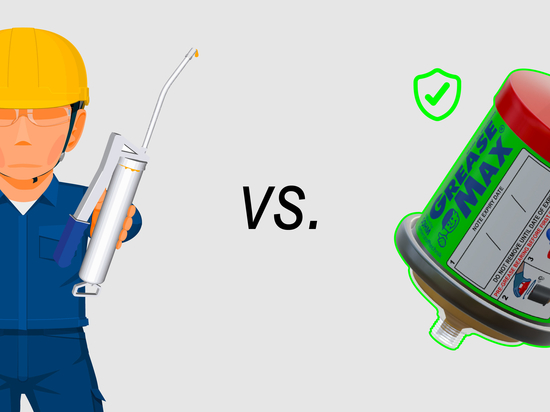
Heavy industry and mining leave no room for weak points. Crushers, screening systems, and kilometers of conveyor belts operate under constant shock loads and vibration, while dust, moisture, and mud continuously affect bearings, seals, and drive systems. To ensure reliable operation, lubrication must perform continuously and independently of external conditions. Under these demanding circumstances, manual lubrication quickly reaches its limits. Automatic lubricators such as GREASEMAX® bridge this gap by delivering precise, continuous lubrication without interrupting ongoing operations.
Why Lubrication Is Especially Critical in Heavy Industry and Mining
The demands of daily operation are clear. Machinery runs continuously, many lubrication points are located in confined or hazardous areas, and wear often develops gradually until it suddenly results in unexpected downtime.
Shock loads and constant vibration in crushers, screens, and conveying equipment mechanically destabilize the lubricant film and force lubricant out of the bearing. Under these conditions, manually applied grease is consumed much faster than fixed maintenance intervals can accommodate.
Dust, mud, and moisture are constant enemies of effective lubrication. Abrasive particles penetrate bearing clearances and act directly on rolling surfaces as grinding media. Moisture promotes corrosion, while mud can block seals and compromise component protection.
Large scale facilities with hazardous lubrication points turn manual lubrication during operation into an unnecessary safety risk while consuming valuable maintenance resources that are often already in short supply.
In mining, every equipment failure is expensive. If a crusher or conveyor belt stops, the entire material handling process comes to a standstill. The same applies to steel mills, quarries, and cement plants, where unplanned downtime increases both operating costs and safety risks.
Where Automatic Lubrication Delivers Measurable Benefits Throughout the Process
During extraction and raw material handling, conveyor systems, winches, and lifting equipment are exposed to extreme load changes. Automatic lubrication protects slew bearings, bearings, and drive systems against overheating, seizure, dust contamination, and water ingress, ensuring uninterrupted operation even when lubrication points cannot be accessed safely during production.
In crushing, screening, and classification processes, jaw crushers, cone crushers, vibrating screens, pumps, and mixers operate under continuous vibration, abrasion, and high temperatures. Under these conditions, manually applied lubricant is rapidly displaced or thermally degraded. Automatic lubricators continuously replenish the lubricant, maintain a stable lubricant film, reliably protect bearings and seals, and improve the overall energy efficiency of the equipment.
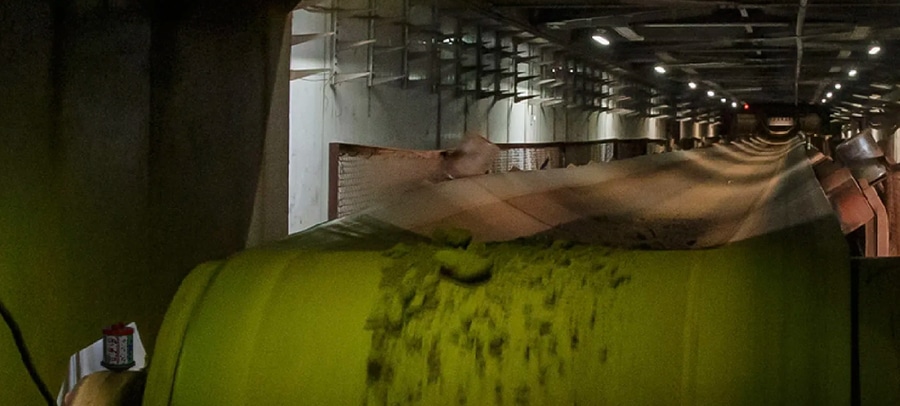
In material transport, storage, and loading operations, conveyor belts, loading systems, dust extraction equipment, and industrial fans must handle high material throughput under severe contamination. Automatic lubrication provides consistent wear protection, minimizes contamination from abrasive particles, and extends component service life during continuous operation without requiring conveyor systems to stop for relubrication.
The Practical Benefits for Your Operation
Automatic lubrication compensates for maintenance personnel shortages by ensuring that every lubrication point receives the required amount of lubricant regardless of shift schedules or staff availability.
Maintenance planning becomes more predictable through operating periods of 1, 3, 6, or 12 months, making replacement intervals easy to schedule and document.
Lubrication points can be relocated away from hazardous areas using remote installation, eliminating the need for personnel to work on operating equipment. This significantly reduces accident risks and simplifies workplace safety assessments.
Equipment remains operational for longer, even under extreme conditions, because lubrication related failures, one of the most common yet preventable causes of downtime, are systematically eliminated.
GREASEMAX®: Proven Performance Under the Toughest Conditions
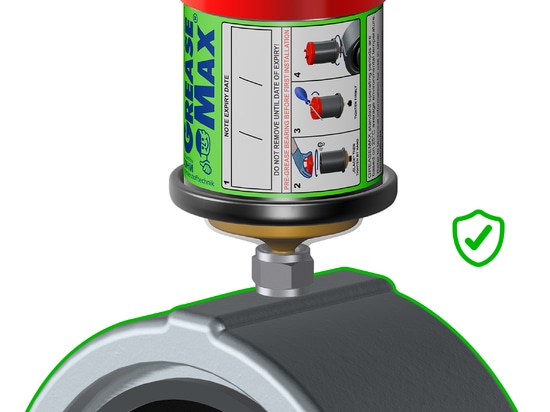
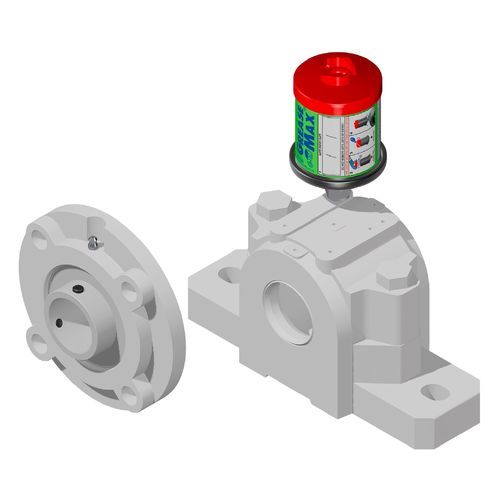
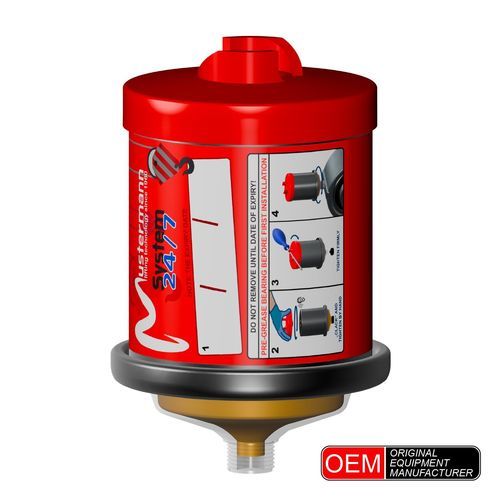
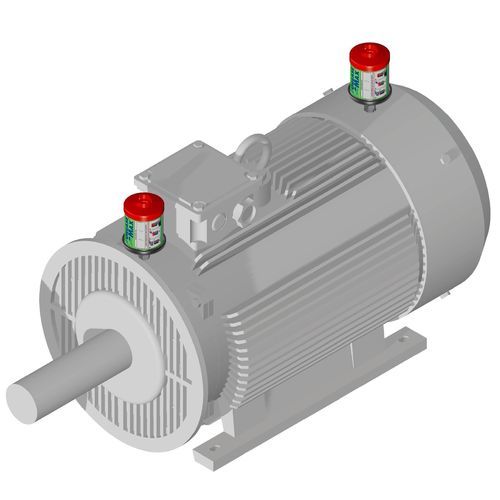
GREASEMAX® is a gas powered single point lubricator that requires no electricity, electronics, or external control system.
Its completely self contained, electronics free design makes it ideally suited for wet and aggressive environments. The sealed lubrication system reliably protects the lubricant from moisture and contamination.
Its vibration resistant and weather resistant construction is designed for continuous operation both outdoors and in underground mining applications.
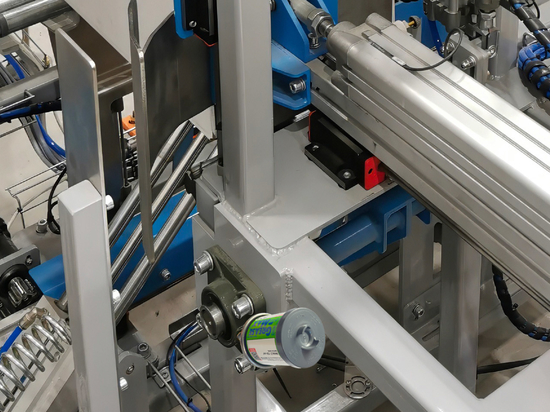
Flexible installation directly at the lubrication point or through lubrication lines up to two meters long makes it possible to relocate lubrication points away from hazardous areas while maintaining safe and reliable lubricant delivery. This provides a significant improvement in both safety and maintenance efficiency, especially in large facilities with numerous widely distributed lubrication points.
Conclusion: In Heavy Industry and Mining, Automatic Lubrication Is Not an Option. It Is a Necessity.
Whether in extraction, material processing, or logistics, automatic lubrication ensures that equipment in heavy industry and mining operates reliably and consistently delivers maximum performance. It protects machinery wherever manual lubrication reaches its limits, improves operational efficiency, and measurably reduces maintenance effort as well as safety risks. For demanding industries, it is one of the most effective investments in securing long term equipment reliability and operational performance.