#Industry News
What Is Stainless Steel?
How Stainless Steel Is Made
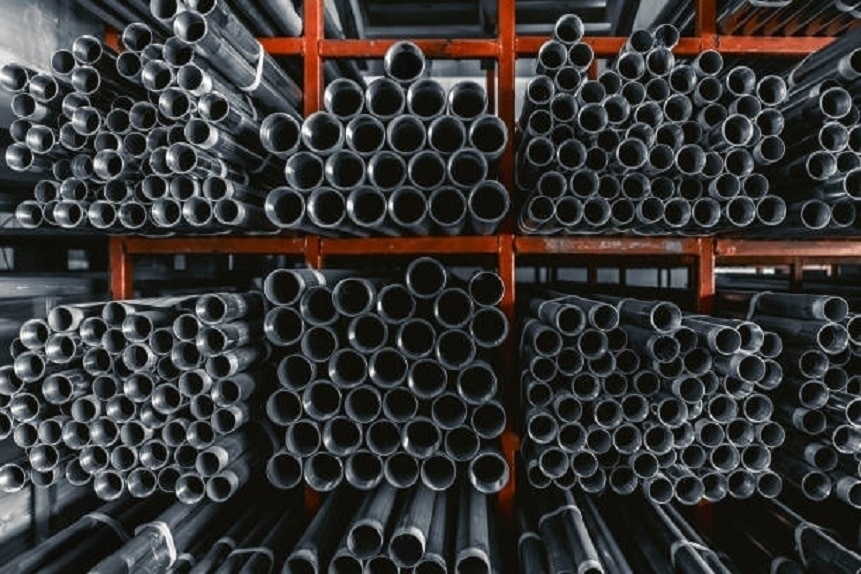
Stainless steel is a high-alloy steel mainly made of iron, with at least 10.5% chromium, which gives it outstanding resistance to stains and rust. It often includes other elements like nickel, molybdenum, titanium, and niobium, which boost its durability and corrosion resistance, making it ideal for various demanding applications.
Key elements in stainless steel each play a specific role. Chromium (Cr), at a minimum of 10.5%, provides essential corrosion resistance. Nickel (Ni), usually around 8-10%, adds toughness and extra corrosion protection, especially in acidic conditions. Carbon (C) is kept low (0.03%-0.08%) to enhance corrosion resistance. Molybdenum (Mo), present in high-performance grades at 2-3%, strengthens the steel against pitting and crevice corrosion, especially in harsh environments.
Here's a simplified overview of how stainless steel is made:
Melting: Raw materials like iron, chromium, nickel, and molybdenum are melted in an electric furnace.
Forming: The molten metal is cast into semi-finished shapes, then hot-rolled into sheets, plates, bars, or wires.
Heat Treatment: The steel is heated to relieve internal stresses and improve workability.
Descaling: An acid bath removes any surface scale, restoring a clean finish.
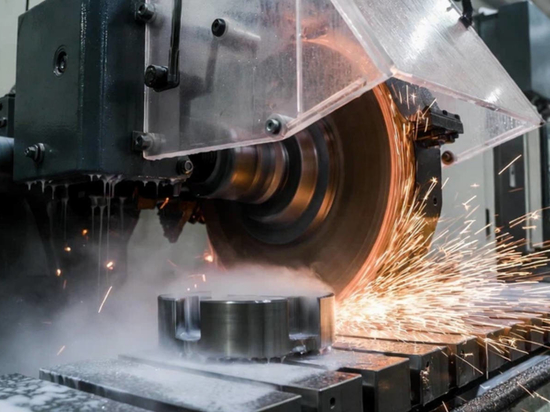
Shaping: The steel is cut and shaped into specific forms as needed.
Finishing: Polishing or brushing gives the steel a smooth, attractive surface.
Quality Control: The steel is tested to meet quality standards before use.
This process results in strong, corrosion-resistant stainless steel for various applications.
Click here to read more about Stainless Steel.