#Industry News
First Article Inspection: What It Is And Why It Matters
First Article Inspection
1. What is First Article Inspection (FAI) and Why It Matters
First Article Inspection (FAI) is a preventive quality control process that verifies whether the first part produced from a new manufacturing run meets all engineering and design specifications. Unlike random quality checks during or after production, FAI is conducted before mass production begins to ensure that tools, machines, materials, and processes are correctly set up. It's a critical step in industries like aerospace, automotive, and medical devices, and is often required to comply with standards such as AS9102, IATF 16949, or ISO 13485.
2. How FAI Works and Its Evolution
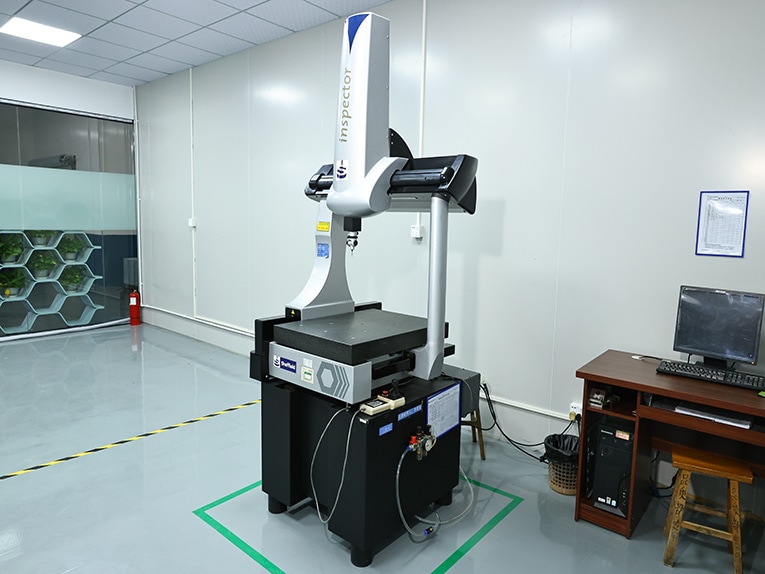
The FAI process includes steps like reviewing engineering drawings, setting up production equipment, fabricating the first part, conducting dimensional and material inspections, and documenting results for customer review. Over time, FAI has evolved from manual, paper-based inspections to standardized, digital, and automated systems. Today, it is often integrated with enterprise quality systems (QMS/MES), and technologies like CAD, CMMs, and dedicated FAI software have made inspections faster and more accurate. Emerging tools like AI, AR, and cloud platforms are set to enhance FAI even further.
3. The Value, Challenges, and Best Practices of FAI
FAI adds value by reducing production errors, improving part consistency, and fostering trust between suppliers and buyers—especially in global trade. It provides a verified baseline for ongoing production and helps meet regulatory requirements. However, FAI also presents challenges such as misinterpreting technical drawings, calibration issues, or time pressure. These can be addressed through proper training, standardized templates, and regular equipment maintenance. To maximize the benefits, suppliers should conduct FAI before bulk production, use digital inspection tools, and provide clear, traceable documentation.