#Industry News
Does Galvanized Steel Rust? Lifespan, Protection Methods & Key Factors
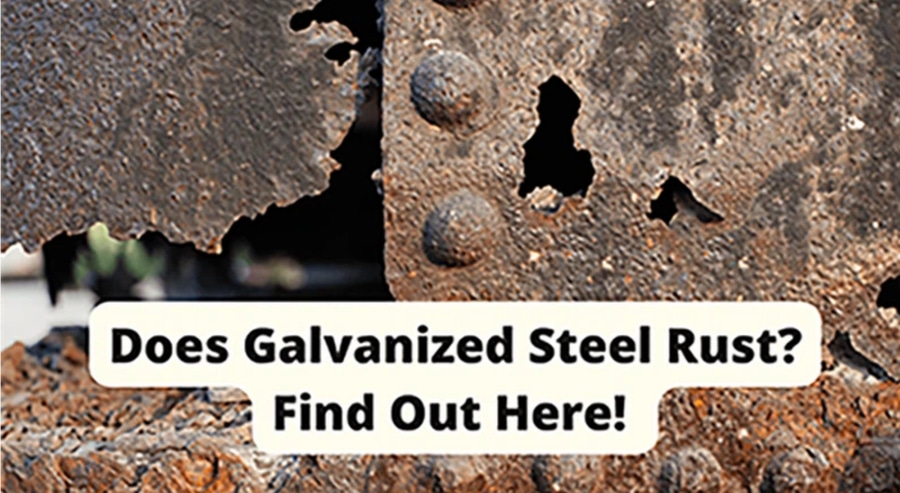
Does Galvanized Steel Rust?
1. What is Galvanized Steel and How It Resists Rust
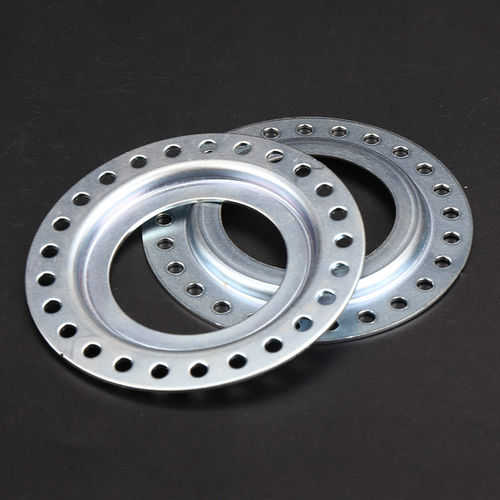
Galvanized steel is ordinary steel coated with a protective layer of zinc, typically through hot-dip galvanizing. This zinc barrier prevents rust and corrosion by both physically shielding the steel and offering sacrificial protection—where zinc corrodes first if the coating is damaged. Galvanized steel is widely used in construction, manufacturing, and outdoor applications due to its affordability, durability, and self-healing properties when scratched. However, it's not entirely rust-proof, especially in harsh environments.
2. Factors That Cause Galvanized Steel to Rust
While galvanized steel can last decades in rural or dry settings, it is vulnerable in coastal, industrial, or high-humidity areas. Factors like saltwater, acid rain, and physical damage to the zinc coating can accelerate corrosion. Additionally, prolonged UV exposure and contact with dissimilar metals may weaken protective layers or trigger galvanic corrosion. Matching the zinc coating thickness (e.g., G60, G90, G185) to the environmental conditions is essential for achieving the desired service life.
3. Maintenance, Storage, and Application Best Practices
To extend the lifespan of galvanized steel, regular maintenance such as cleaning, visual inspections, recoating exposed areas, and avoiding prolonged contact with moisture or incompatible metals is critical. Proper storage in dry, ventilated conditions and thoughtful product design—such as avoiding water-trapping surfaces—also help reduce corrosion risk. Although galvanized steel can eventually rust, with the right protection strategies, it remains a reliable and cost-effective material for long-term use in many industries.