#Industry News
What Is A Lathe? Everything You Need To Know
What Is A Lathe?
Introduction to Lathes
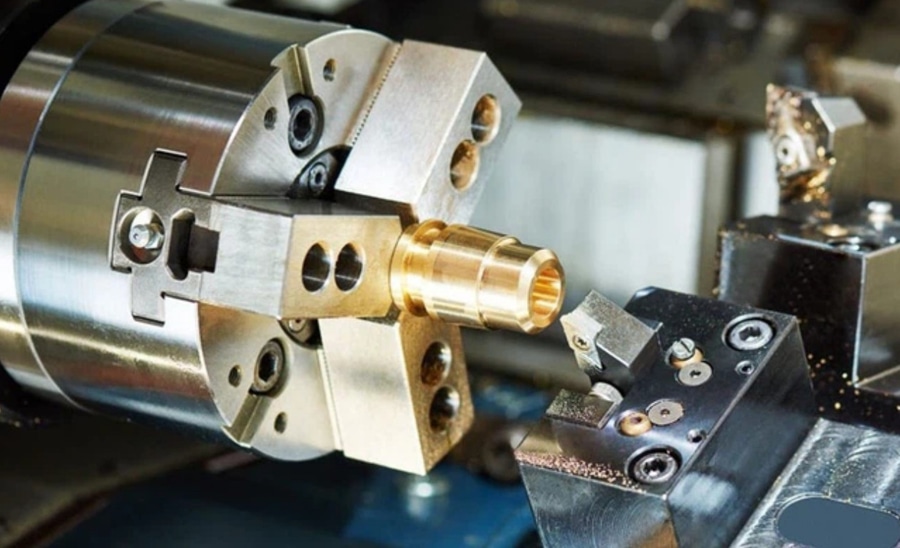
A lathe is a versatile machine tool used to shape materials like metal, wood, and plastic by rotating the workpiece against a stationary cutting tool. Common machining operations on a lathe include turning, tapering, threading, and drilling. Lathes are vital in industries that demand precision and repeatability, offering the ability to produce cylindrical and complex parts efficiently.
How Lathes Work and Their Components
The machining process begins with preparation—checking the material, lubrication, and machine condition—followed by tool selection, spindle speed adjustment, and controlled feeding. Key lathe components include the bed, spindle box, feed and slide boxes, tool holder, and tailstock, all contributing to accuracy and stability during operation. Each step in the machining process influences dimensional precision and surface finish.
Types of Lathes
There are many lathe types tailored to specific tasks. These include ordinary lathes for general use, turret and automatic lathes for multi-step or repeated operations, CNC lathes for high-precision automated tasks, and specialized variants like copy, vertical, and shovel gear lathes. CNC lathes, in particular, offer exceptional repeatability and are ideal for complex, high-volume production.
Applications, Materials, and Comparison with Other Technologies
Lathes can process a wide variety of materials, including metals like carbon steel, stainless steel, and non-ferrous alloys, as well as plastics and wood. Compared to other technologies like milling, 3D printing, and laser cutting, lathes are best suited for symmetrical parts and high-precision requirements. Each technology has its niche based on accuracy, material compatibility, and complexity of the part.
Advantages, Maintenance, and Common Issues
Lathes offer high precision, versatility, and efficiency, especially when paired with automation. However, they require skilled operation, occupy significant space, and involve high equipment costs. Regular maintenance—lubrication, checking electrical systems, and cooling—is critical to prolonging service life. Operators must also address common issues like vibration, cutting inaccuracies, and tool wear to maintain optimal performance.