#Industry News
What Is Blanchard Grinding? Process Benefits And Applications
What Is Blanchard Grinding?
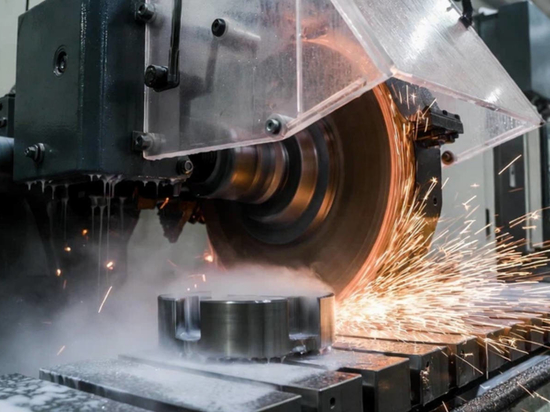
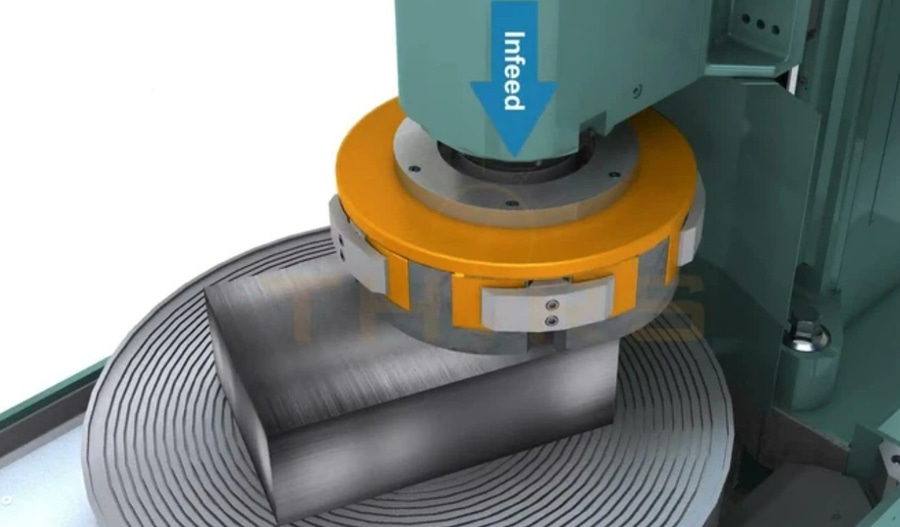
Blanchard grinding, also known as rotary surface grinding, is a machining process developed in the early 1900s to quickly remove large amounts of material from one face of a flat part. It works by using a vertical spindle grinding wheel combined with a rotating magnetic chuck or table, producing the characteristic crisscross pattern. This method is especially effective for large, flat workpieces like steel plates, die blocks, and machine bases. It delivers fast stock removal, uniform flatness, and a distinctive surface finish, making it ideal for heavy-duty industrial applications.
While highly efficient, Blanchard grinding has limitations. It is not suited for intricate geometries or parts requiring tight tolerances or smooth, mirror-like finishes. Additionally, its reliance on magnetic chucks makes it better suited to ferrous metals, although non-magnetic materials can be accommodated with special fixturing. Thermal distortion, surface roughness, and high noise levels are also potential drawbacks, requiring skilled operation and proper setup for best results.
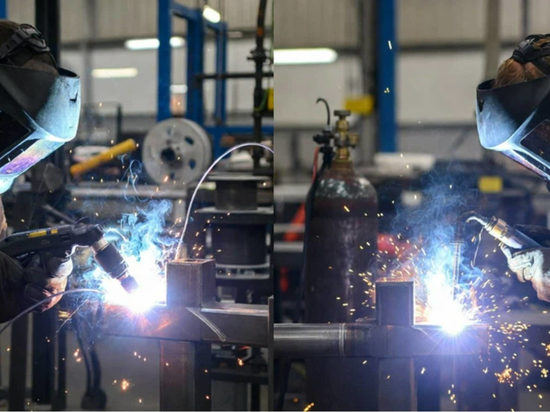
Compared to precision surface grinding, Blanchard grinding prioritizes speed and material removal over fine accuracy, making it more cost-effective for large parts. It is widely used for preparing materials before final machining, flattening distorted workpieces, and handling large castings or weldments. Companies like Bourn & Koch and service providers such as Lange Grinding and Sullivan Corp offer large-capacity Blanchard grinding services, enabling manufacturers to meet demanding flatness and thickness requirements efficiently.