#Industry News
Metal Polishing 101: Everything You Need To Know
Metal Polishing 101
Metal polishing is the process of refining and smoothing metal surfaces by removing imperfections such as scratches, oxidation, and weld lines. It enhances both the appearance and performance of metal components, improving corrosion resistance, hygiene, and mechanical function. Common in industries like automotive, manufacturing, and medical devices, polishing methods range from simple hand buffing to industrial techniques like mechanical polishing, chemical polishing, and electropolishing, each suited to specific metals and applications.
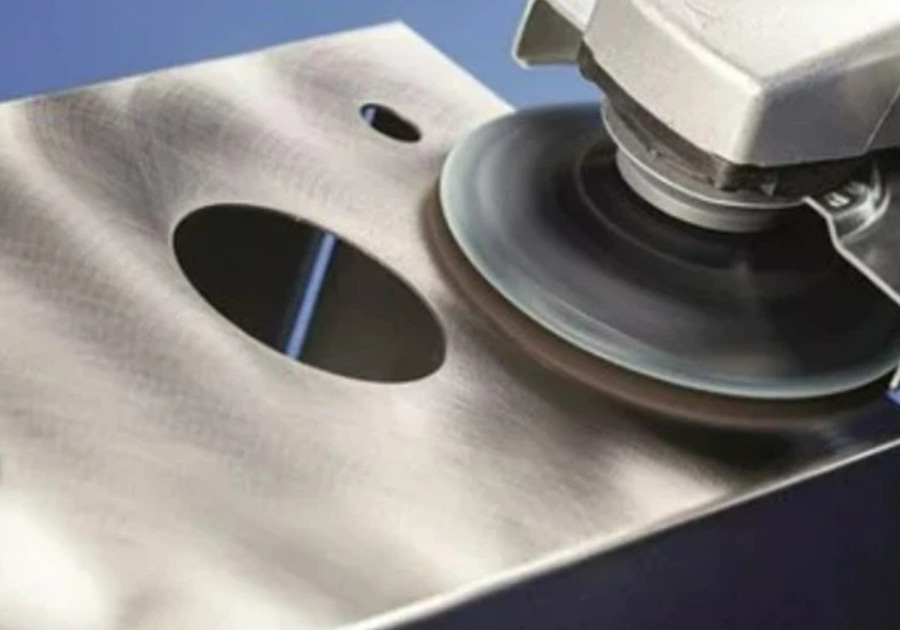
The polishing process typically involves cleaning, sanding, applying polishing compounds, buffing, and final inspection. Polishing compounds like Tripoli, white rouge, and green rouge are selected based on the metal type. Tools such as buffing wheels, abrasives, and rotary grinders are used, and proper safety measures are essential due to dust, friction, and chemical exposure. Different finishes can be achieved—ranging from satin to mirror shine—depending on the desired outcome and the equipment used.
Polishing is suitable for metals like stainless steel, aluminum, brass, and copper, but more challenging for materials like cast iron, titanium, and plated metals. While DIY polishing is cost-effective and allows more control, professional services offer faster turnaround and consistent results. Choosing the right technique, compound, and tools ensures optimal performance and finish quality, whether for aesthetic, functional, or industrial purposes.