#Industry News
Titanium Alloys: Properties, Types, And Applications
Titanium Alloys
1. Composition and Core Properties of Titanium Alloys
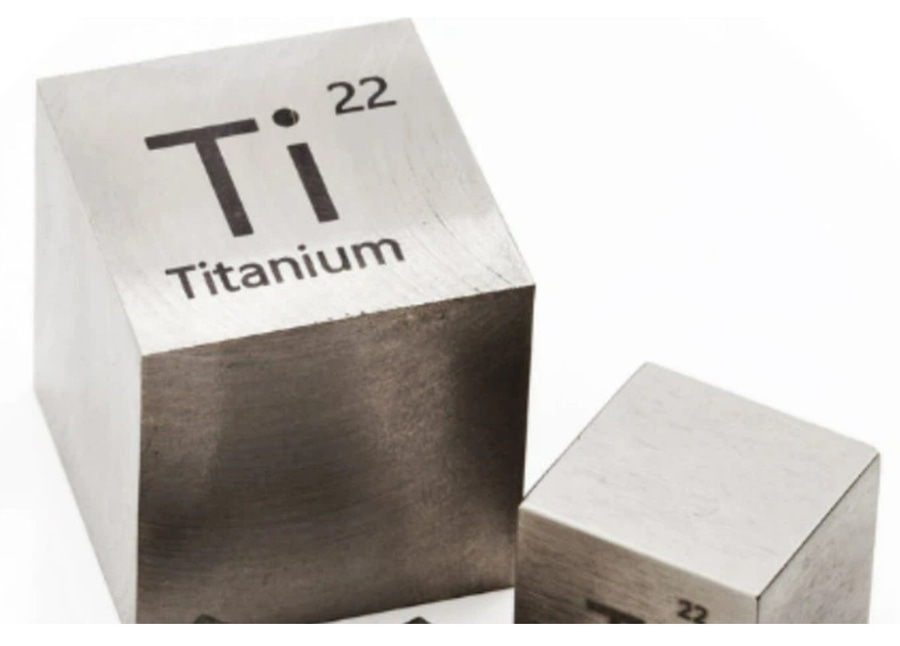
Titanium alloys are renowned for their high strength-to-weight ratio, corrosion resistance, and heat tolerance. These properties make them ideal for use in aerospace, medical, and marine industries. Titanium alloys are formed by blending titanium with elements such as aluminum, vanadium, molybdenum, and iron. Each alloying element serves a purpose—aluminum reduces weight and boosts strength, molybdenum enhances high-temperature performance, and iron increases affordability while maintaining mechanical integrity.
2. Classification and Benefits of Titanium Alloys
Titanium alloys are categorized into alpha (α), beta (β), and alpha-beta (α-β) types based on their microstructure. Alpha alloys offer excellent corrosion resistance and weldability but are not heat-treatable. Beta alloys provide high strength and formability and are heat-treatable. Alpha-beta alloys, such as Ti-6Al-4V, are the most widely used due to their balanced mechanical properties. Titanium alloys are lighter than steel but similarly strong, and they offer biocompatibility, making them suitable for implants and medical devices.
3. Machining, Welding, and Heat Treatment Challenges
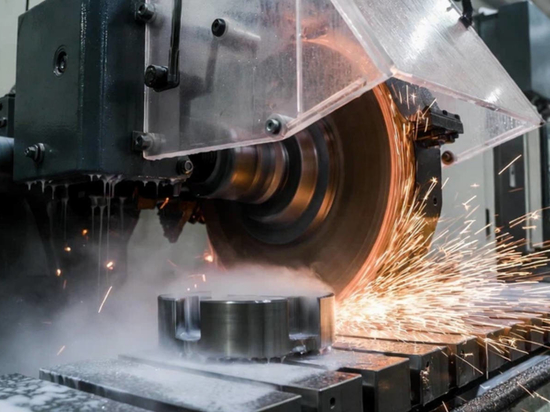
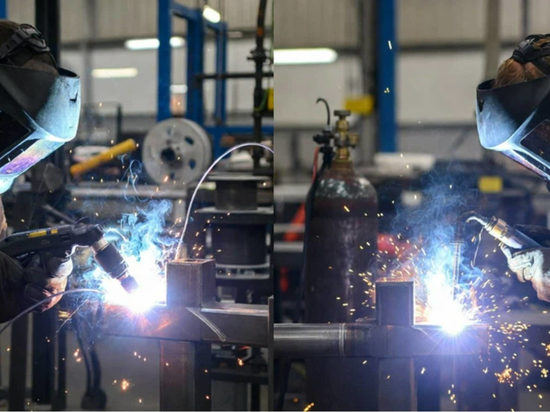
Despite their advantages, titanium alloys are difficult to machine due to low thermal conductivity, high chemical reactivity, and work hardening. Successful machining requires special tooling, high-pressure coolant systems, and optimized cutting parameters. Welding titanium also demands a controlled environment to prevent contamination from gases like oxygen and nitrogen. Proper heat treatment—such as annealing or solution treating and aging—can further enhance properties like strength and fatigue resistance, especially in aerospace or high-stress applications.
4. Applications and Industrial Significance
Titanium alloys are critical in industries that demand strength, durability, and light weight. In aerospace, they’re used in engines and airframes to reduce fuel consumption. In the medical field, their biocompatibility supports long-term implants. Marine and chemical environments benefit from titanium’s exceptional corrosion resistance. Though costlier than many metals, titanium’s longevity and performance offer superior lifecycle value. Their unique combination of properties ensures that titanium alloys remain essential in advanced engineering applications.