#Industry News
19 Most Common Plastics Used in Injection Molding
19 Most Common Plastics Used in Injection Molding
1. Introduction to Injection Molding Materials
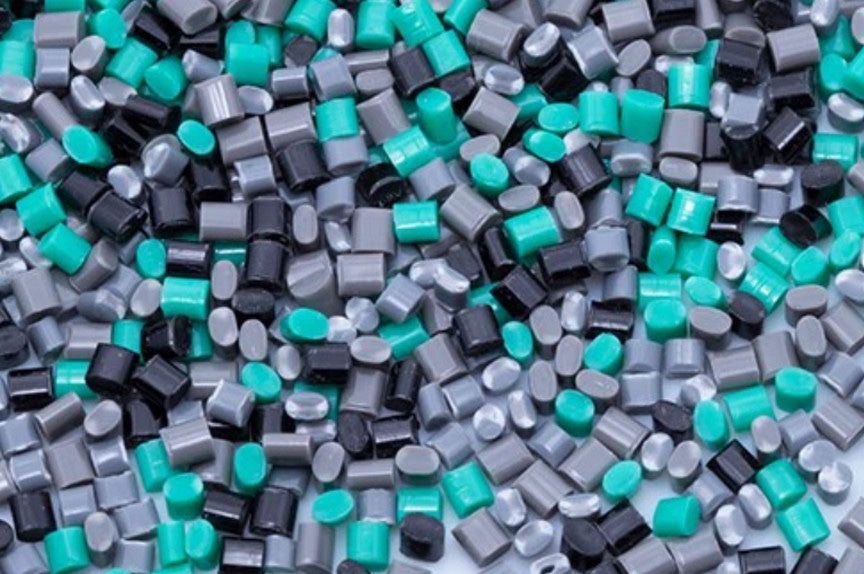
Injection molding uses a wide range of thermoplastics, each with unique properties suited to different applications. Choosing the right resin is critical, affecting product performance, cost, and durability. This guide presents key plastics used in injection molding, highlighting their characteristics and applications.
2. Acrylic (PMMA)
Acrylic is a transparent plastic often used as a glass substitute in applications like LED covers and aquariums. It transmits 92% of light and resists scratching better than polycarbonate, but is more brittle. It requires well-controlled molding conditions and polished molds for optical clarity.
3. Acrylonitrile Butadiene Styrene (ABS)
ABS is a widely used, impact-resistant thermoplastic that’s easy to mold and finish. Common in enclosures, car trim, and plated parts, it lacks UV resistance unless stabilized. It’s favored for its processability, cost-efficiency, and compatibility with surface treatments.
4. Nylon (Polyamide, PA)
Nylon types like PA6 and PA66 are valued for strength, wear resistance, and low friction. They’re used in gears, housings, and bushings. However, nylon absorbs moisture, affecting dimensions, so proper drying is essential before molding.
5. Polyphthalamide (PPA)
PPA is a high-temperature nylon ideal for automotive engine components. It resists heat and chemicals better than standard nylon. However, it is sensitive to moisture and requires careful molding to avoid cosmetic and structural defects.
6. Polycarbonate (PC)
PC is extremely tough and transparent, used in safety gear, shields, and lenses. It needs high-temperature molding and thorough drying. While very durable, it’s vulnerable to chemical attack and not ideal for food-contact applications due to BPA concerns.
7. PC-ABS Blend
This alloy blends PC’s strength with ABS’s processability, offering cold-weather impact resistance and design flexibility. It’s common in enclosures and snap-fit components. Processing is easier than pure PC, but batch properties may vary.
8. Polyethylene (PE): HDPE & LDPE
PE is the world’s most used plastic. HDPE is rigid and used for trays and outdoor products, while LDPE is softer and flexible, ideal for reusable, squeezable goods. PE is chemically resistant and food-safe, but not UV-stable unless modified.
9. Polyoxymethylene (POM/Acetal)
POM is used in precision parts like gears, buckles, and bearings due to its low friction and strength. Homopolymer grades offer strength, while copolymers are more thermally stable. POM needs careful drying and emits formaldehyde if overheated.
10. Polypropylene (PP)
PP is chemically resistant, lightweight, and used in living hinges and consumer products. It's easy to mold, economical, and widely available. However, it softens at low heat and doesn’t adhere well to paints or glues.
11. Polystyrene (PS)
PS is available as clear, brittle GPPS or opaque, impact-resistant HIPS. It’s used in disposable goods, electronics housings, and labware. It molds easily, doesn’t need drying, but has poor chemical resistance and attracts dust via static.
12. Thermoplastic Elastomers (TPE)
TPEs behave like rubber but are recyclable and injection moldable. They're used for seals, grips, and flexible components. Soft and stretchable, TPEs require drying and special mold design to prevent sticking.
13. Thermoplastic Polyurethane (TPU)
TPU is a TPE subclass with exceptional toughness and flexibility. It’s used in phone cases, seals, and cable jackets. It must be well-dried and polished for good molding. TPU resists oils, abrasion, and repeated flexing.
14. Liquid Crystal Polymer (LCP)
LCP is a high-performance plastic used in electronics for tiny, dimensionally stable parts. It has minimal shrinkage, high-temperature resistance, and flame retardancy. It requires high melt temperatures and fast cycle times.
15. Polyether Ether Ketone (PEEK)
PEEK is among the most durable plastics, used in aerospace, medical, and industrial applications. It resists heat, chemicals, and mechanical stress but is very expensive and difficult to mold, requiring high temperatures and drying.
16. Polyetherimide (PEI/Ultem)
PEI offers high rigidity, flame resistance, and is commonly used in aerospace and electronics. It is easier to mold than PEEK but still needs high temperatures. It is less chemically resistant and more brittle under impact.
17. Polyphenylene Sulfide (PPS)
PPS is a heat- and chemical-resistant plastic often reinforced with glass. It is cost-effective for high-performance needs but prone to flash during molding if not sealed properly. PPS is common in automotive and electronic environments.
18. Polyphenylsulfone (PPSU)
PPSU is ideal for medical and plumbing applications due to its steam sterilization resistance and toughness. It withstands harsh environments and repeated autoclaving. Molding requires cleanliness and high temperatures.
19. Resin Selection Guidance & Conclusion
When selecting resins, consider mechanical, thermal, chemical, aesthetic, and cost factors. Low-cost materials like PP or ABS serve many general needs, while specialty resins like PEEK, PPSU, or LCP are for extreme conditions. Involve your injection molder early to align performance, cost, and manufacturability.