#Industry News
Understanding Spline Shafts: Types,Benefits And Applications
Understanding Spline Shafts
Paragraph 1: What Is a Spline Shaft and Its Key Functions
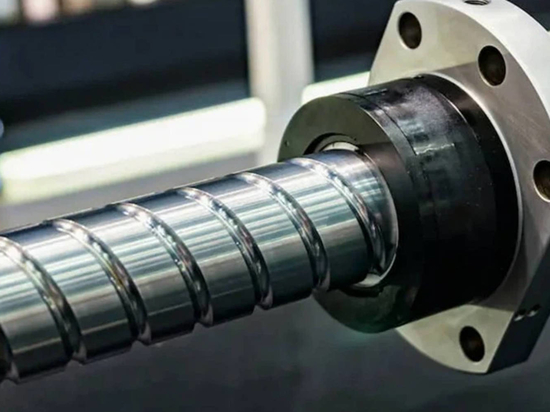
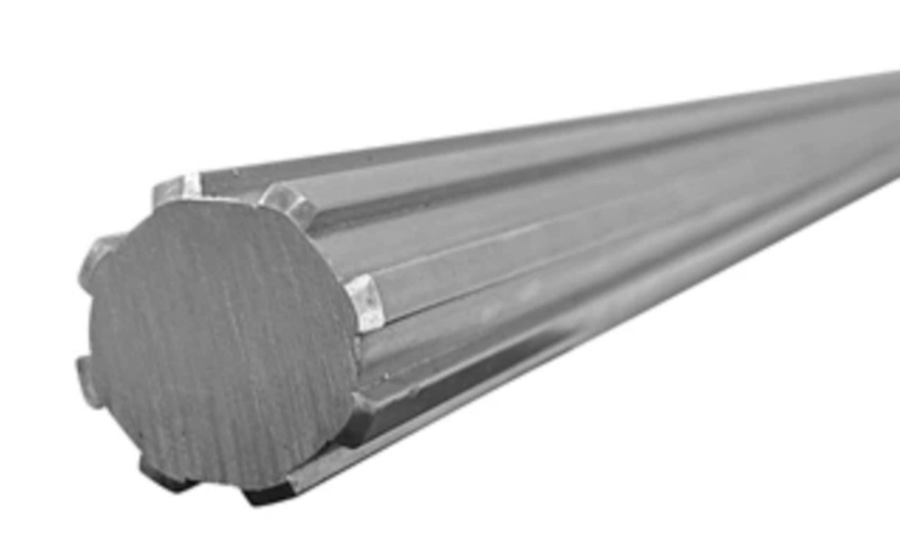
A spline shaft is a cylindrical mechanical component with a series of precisely machined ridges (splines) along its surface. These splines fit into matching grooves in mating parts like gears or hubs, enabling the efficient transmission of torque and maintaining accurate angular alignment. Unlike keyed shafts, spline shafts distribute stress across multiple teeth, resulting in greater durability and load capacity. They're essential in applications requiring rotational synchronization, such as automotive drivetrains, robotics, and industrial gear systems.
Paragraph 2: Types of Spline Shafts and Their Applications
Spline shafts come in various profiles, including involute, straight-sided, serrated, helical, and internal/external types. Involute splines are standardized and suited for high-load applications like transmissions. Straight-sided splines are simpler to produce but less efficient. Serrated splines are designed for precision alignment, not torque. Helical splines offer smooth torque transfer and accommodate axial movement, ideal for aerospace and robotic systems. Each type is selected based on the required load, alignment accuracy, and design complexity.
Paragraph 3: Manufacturing Methods and Material Selection
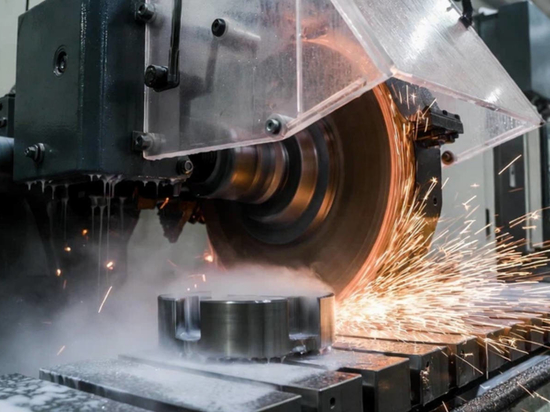
Common machining methods for spline shafts include broaching, hobbing, shaping, milling, rolling, and grinding. Each method varies in precision, cost, and suitability for internal or external splines. Broaching and hobbing are best for mass production while milling and shaping offer flexibility for custom or low-volume parts. Material selection, ranging from alloy steels to stainless steel, aluminum, and titanium, depends on factors such as load capacity, corrosion resistance, and machinability. Heat treatments like carburizing and induction hardening further enhance durability and surface hardness.
Paragraph 4: Industry Applications and Maintenance Tips
Spline shafts are widely used in the automotive industry, in drive axles, steering columns, PTOs, and transmission shafts, where they transmit power and accommodate axial movement. Proper maintenance is critical for longevity and performance. This includes lubrication, routine inspections for wear or misalignment, and replacing components showing signs of corrosion or backlash. By selecting the right spline design, materials, and machining process, engineers can ensure high performance, extended service life, and minimal downtime in demanding mechanical systems.