#Industry News
Chamfer 101: A Complete Guide For Engineers And Manufacturers
Chamfer 101
1. Understanding Chamfers and Their Importance
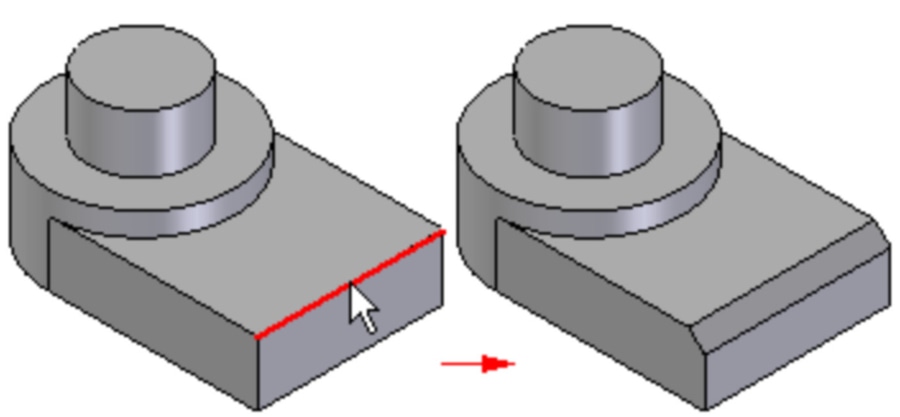
A chamfer is a straight, angled cut that replaces sharp 90° corners, commonly set at 45°, though other angles are used depending on design needs. Chamfers are crucial not only for improving aesthetics but also for enhancing safety, assembly alignment, and mechanical performance. They are widely used in engineering to reduce stress concentrations, prevent edge damage, and assist in coating or inspection processes.
2. Types of Chamfers and Their Applications
The guide outlines several chamfer types: equal-leg, distance-angle, two-distance (asymmetrical), hole entry, face chamfers, and custom profiles. Each type serves different functions—for instance, hole entry chamfers assist with fastener alignment, while asymmetrical chamfers accommodate space or force direction requirements. These variations are essential in fields like aerospace, automotive, and precision tooling.
3. Benefits of Chamfered Edges in Design and Manufacturing
Chamfered edges improve part safety, reduce assembly errors, enhance product appearance, and minimize stress concentrations. They can eliminate the need for separate deburring steps and improve fit in mechanical assemblies. Applications range from gears and engine components to consumer electronics and architectural structures, where chamfers play both functional and aesthetic roles.
4. When Not to Use Chamfers
There are scenarios where chamfering is not recommended. These include load-bearing surfaces that require full contact, sealing surfaces where flush contact is critical, or designs that prioritize sharp-edged aesthetics or geometry. Additionally, chamfers should be avoided on parts with insufficient thickness, as they may weaken structural integrity.
5. Chamfering Techniques, Tools, and CAD Integration
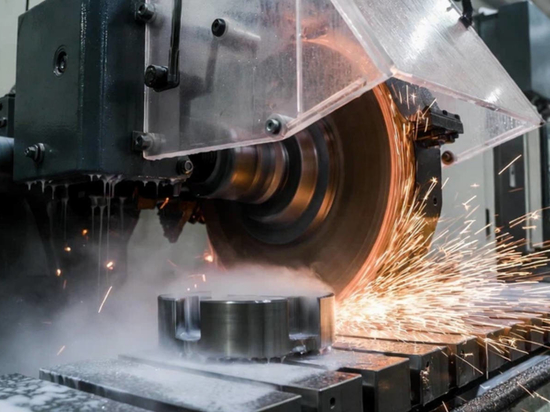
Chamfers can be applied through various CAD techniques and machined using chamfer mills, countersinks, or CNC toolpaths. The article also details how to measure chamfer angles using tools like bevel protractors, CMMs, or chamfer gauges. Modern strategies like CAM automation, high-feed chamfering, and adaptive machining are improving chamfering efficiency and consistency in high-precision environments.