#Industry News
PLA Vs. ABS: Key Differences Explained
PLA Vs. ABS
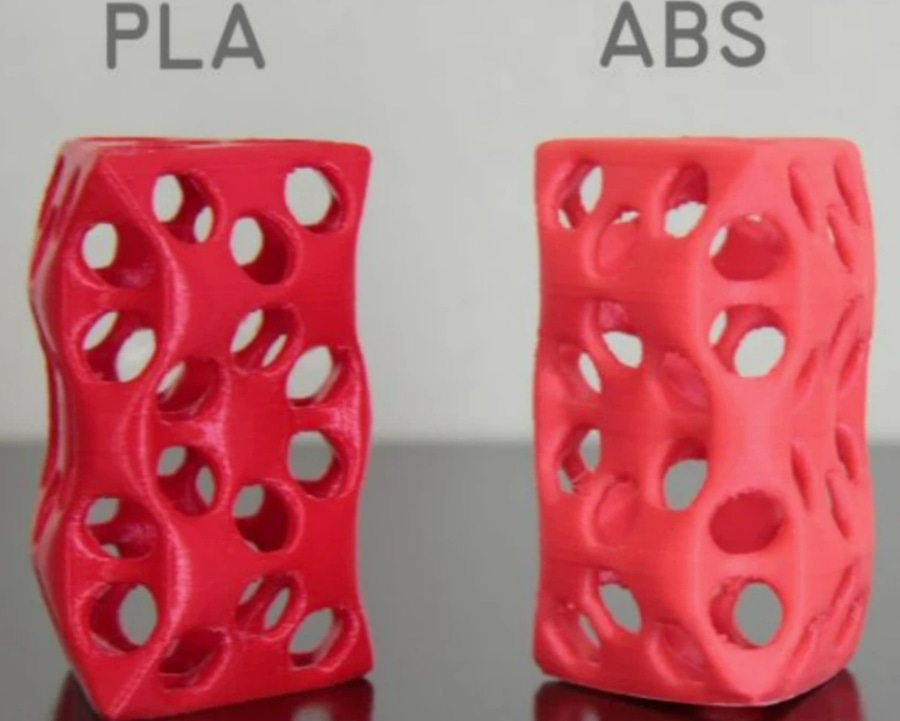
PLA vs. ABS is two of the most commonly used 3D printing materials, each with its distinct advantages and limitations. PLA (Polylactic Acid) is a biodegradable, plant-based plastic known for its ease of use and low printing temperature. It is ideal for beginners and for applications like prototypes, display models, and educational projects due to its minimal warping and low odor. However, PLA is brittle and lacks heat resistance, making it unsuitable for functional, load-bearing parts.
On the other hand, ABS (Acrylonitrile Butadiene Styrene) is a petroleum-based thermoplastic known for its high strength, impact resistance, and heat tolerance. ABS is widely used in commercial and industrial products, including automotive parts and electronic housings. It requires a heated bed and a controlled environment to prevent warping, and it emits strong fumes that require proper ventilation during printing. Unlike PLA, ABS is not biodegradable, but its durability and post-processing options make it ideal for end-use parts.
When choosing between PLA and ABS, the decision largely depends on the application and environmental conditions. PLA is best for aesthetic parts, rapid prototyping, and educational uses, where ease of printing and eco-friendliness are priorities. In contrast, ABS is better suited for functional components that need to withstand heat and mechanical stress, such as in automotive and industrial applications.
At HLC, we understand the importance of selecting the right material for your 3D printing needs. Whether you require PLA, ABS, or other specialized filaments, we provide engineering support and prototyping services to help make the best choice for your projects. Contact us today to learn how we can assist with your product development and manufacturing needs.