#Industry News
What Is TPU Material? Properties, Types & Applications
What Is TPU Material?
1. Introduction to TPU
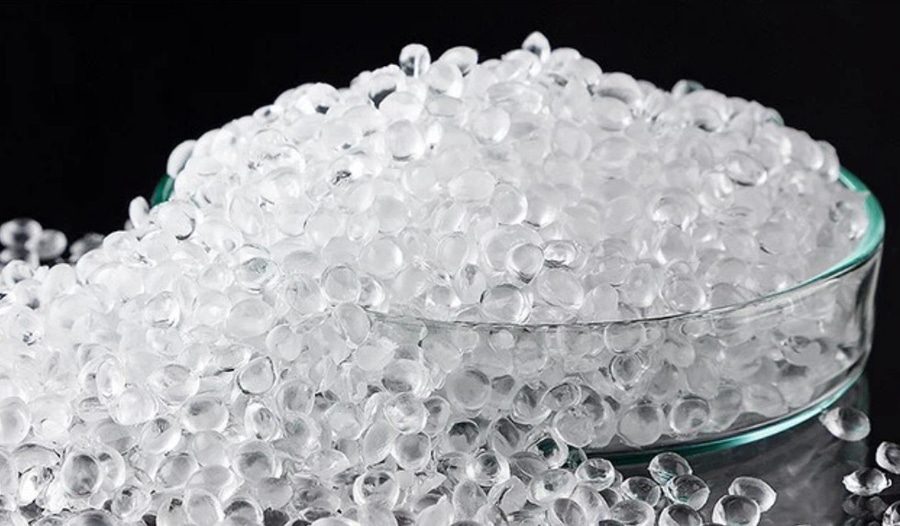
Thermoplastic Polyurethane (TPU) is a versatile elastomer that combines the elasticity of rubber with the processability of thermoplastics. It offers excellent flexibility, durability, and mechanical strength, making it suitable for a wide range of industrial and consumer applications.
2. Thermoplastic Behavior
Unlike thermoset polyurethane, TPU can be softened and reshaped with heat. This property allows it to be processed using standard methods like extrusion, injection molding, and calendaring. It also makes TPU recyclable, giving it advantages in sustainable manufacturing.
3. Chemical Structure
TPU is composed of alternating soft and hard segments. The soft segments provide flexibility and elasticity, while the hard segments give the material strength and stiffness. By adjusting the ratio of these segments, manufacturers can fine-tune the material’s performance.
4. Phase Separation and Elasticity
The polar hard segments tend to self-assemble into crystalline regions, creating physical cross-links that enhance elasticity and tensile strength. These cross-links disappear when heated, enabling TPU to melt and be reshaped, a key feature of thermoplastics.
5. Common Applications
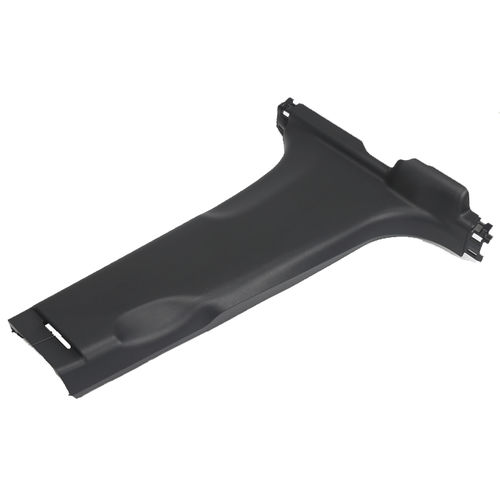
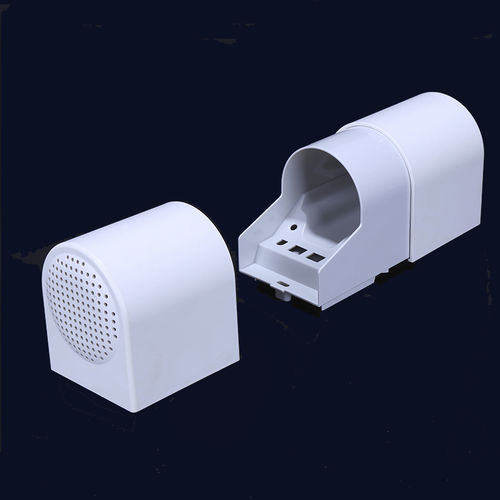
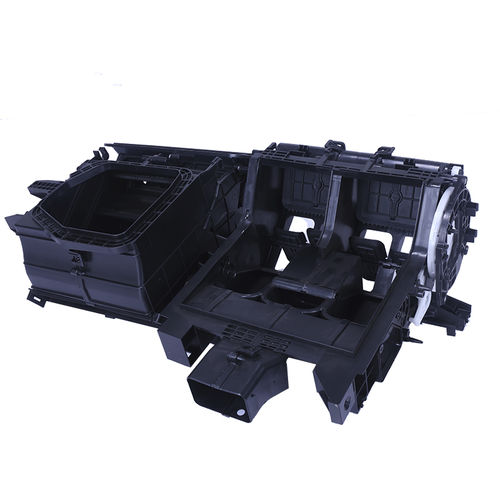
TPU is used in a wide variety of products such as automotive dashboards, caster wheels, power tools, sporting goods, medical devices, conveyor belts, footwear, fire hoses, and protective cases for electronics. Its versatility stems from its balance of strength and flexibility.
6. Processing and Recyclability
TPU is easily processed using common thermoplastic techniques. It can be molded into complex shapes and reused by remelting scrap or trimming waste. This recyclability supports environmental goals and cost-effective manufacturing.
7. Polyester vs. Polyether TPU
There are two main types of TPU: polyester-based and polyether-based. Polyester TPU is more resistant to abrasion and chemicals, while polyether TPU has superior low-temperature flexibility and resistance to hydrolysis and microbial attack. Selection depends on the application's environmental demands.
8. Safety and Environmental Considerations
Some TPUs may contain siloxanes, a class of chemicals that can be classified as Substances of Very High Concern (SVHC) under EU REACH regulations. It's important for manufacturers and users to consider safety and regulatory compliance when working with TPU materials.