#Industry News
Laser Cutting101:Everything You Need To Know
Laser Cutting
1. Introduction to Laser Cutting
Laser cutting is a precise, non-contact manufacturing process that uses a focused laser beam to cut or engrave various materials. It's valued for its high accuracy, clean edges, and adaptability, and is widely used in industries like aerospace, automotive, electronics, and signage.
2. How the Laser Cutting Process Works
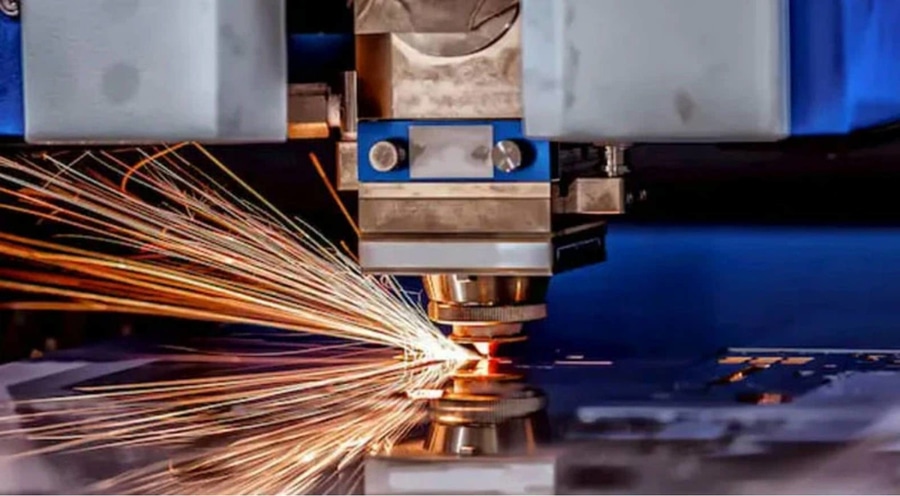
The process begins with laser beam generation, followed by focusing through optics, material interaction (melting or vaporizing), and assist gas application to clear debris and improve cut quality. A CNC system controls the motion of the laser or material, resulting in accurate and repeatable cuts with minimal mechanical stress.
3. Materials, Machine Types, and Cutting Techniques
Laser cutting is compatible with metals, plastics, wood, fabrics, and more. Machines vary from CO₂ lasers for non-metals to fiber lasers for metals. Cutting techniques include vaporization, melt and blow, flame cutting, and even fracture-controlled or sub-surface methods like stealth dicing, each suited for specific materials and use cases.
4. Key Parameters and Design Considerations
The quality of a laser-cut part depends on factors like laser power, cutting speed, beam focus, assist gas type, and material thickness. Design success relies on using the right file formats, accounting for kerf width, optimizing path layout, and selecting laser-compatible materials within the machine’s capacity.
5. Applications, Safety, and Environmental Impact
Laser cutting delivers high precision, speed, and scalability for prototyping and mass production. However, safety measures are critical due to laser radiation, fume hazards, and fire risks. Environmentally, laser cutting is efficient and low-waste, but must be paired with proper ventilation, energy management, and responsible material selection.