#Industry News
Thermoset Vs Thermoplastic: Key Differences Explained
Thermoset Vs Thermoplastic
1. Fundamental Definitions and Key Differences
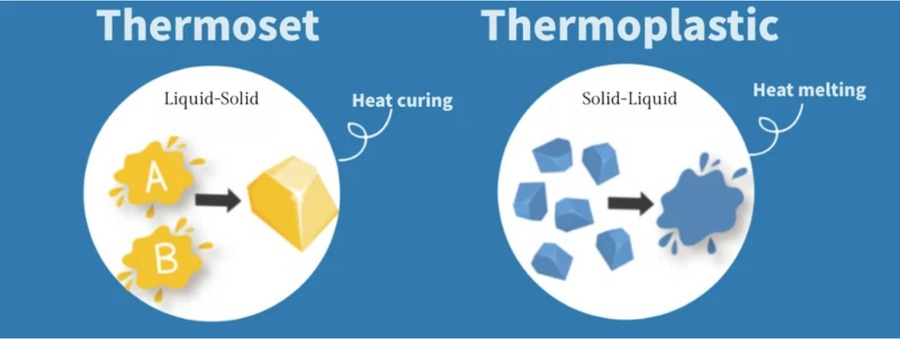
Thermosets and thermoplastics are two major categories of polymers, defined by their reactions to heat. Thermoplastics can be repeatedly melted and reshaped, making them ideal for recycling and high-speed production. In contrast, thermosets undergo an irreversible curing process that forms strong molecular cross-links, resulting in rigid structures that cannot be remelted once set.
2. Performance Comparison and Material Selection
Thermosets are renowned for their exceptional heat resistance, dimensional stability, and chemical durability, making them ideal for high-performance and high-stress applications. Thermoplastics, on the other hand, offer greater flexibility, lower weight, easier processing, and recyclability, making them ideal for high-volume, cost-sensitive manufacturing. A detailed table in the document outlines differences in properties such as toughness, elasticity, processing, and aesthetics.
3. Material Types and Their Characteristics
Common thermoset materials include epoxy, phenolic, thermoset polyurethane, unsaturated polyester, silicone, and melamine, widely used in aerospace, automotive, and electrical applications. Thermoplastics such as polypropylene (PP), polyethylene (PE), polycarbonate (PC), nylon, PVC, and PTFE are valued for their formability, toughness, and versatility, appearing in packaging, consumer goods, medical devices, and construction.
4. Pros and Cons of Each Material Class
Thermosets offer advantages like excellent thermal stability, chemical resistance, rigidity, and electrical insulation, but they are brittle, costly to process, and difficult to modify or recycle. Thermoplastics excel in impact toughness, processing speed, aesthetics, and post-processing options, though they generally have lower heat resistance and are susceptible to creep, flammability, and chemical degradation depending on the formulation.
5. Real-World Applications and Final Thoughts
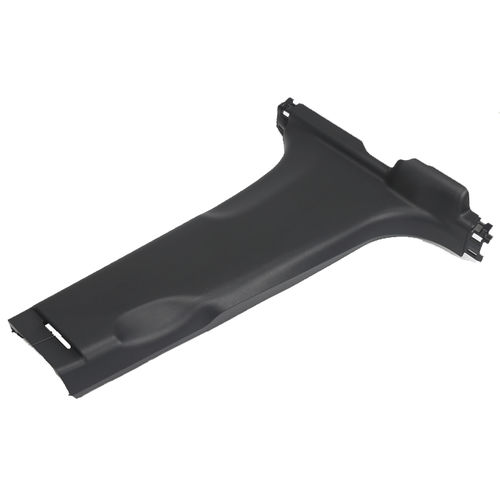
Thermosets are used in aerospace structures, electrical insulation, engine components, adhesives, and industrial molds due to their strength and stability. Thermoplastics dominate mass-production industries like packaging, automotive interiors, electronics, building materials, and 3D printing. Ultimately, choosing between thermosets and thermoplastics depends on your application's thermal, mechanical, and economic requirements.