#Industry News
How Plastic Materials Are Made Step By Step
How Plastic Materials Are Made Step By Step
1. Introduction to Plastic and Its Properties
Plastic is a synthetic or semi-synthetic material made from polymers, long chains of repeating molecular units (monomers), typically derived from petroleum, natural gas, or cellulose. Its defining property, plasticity, allows it to be melted, molded, and solidified into almost any shape, enabling an enormous range of applications from flexible films to rigid structural components.
2. Raw Materials for Plastic Production
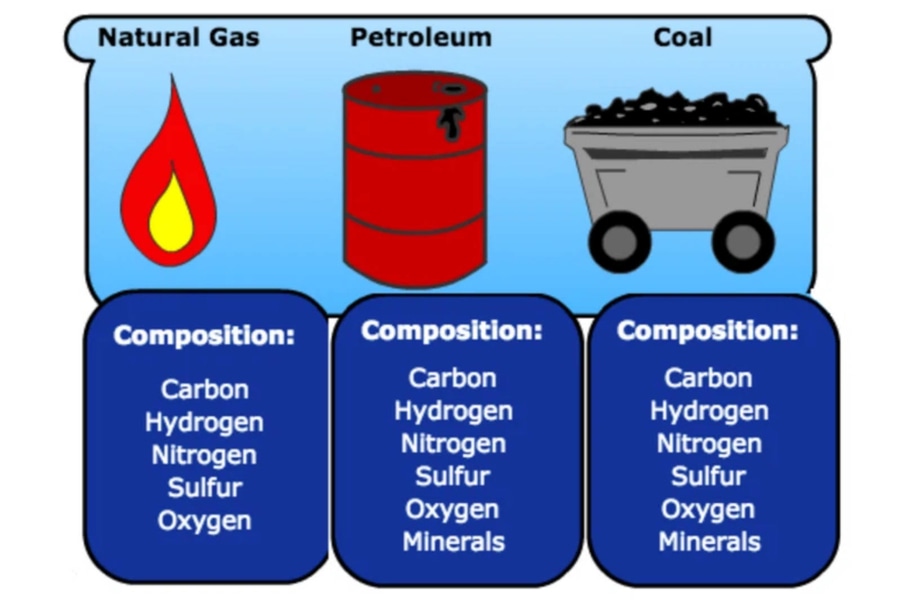
The three main sources for plastic manufacturing are petroleum, natural gas, and cellulose. Petroleum is refined into naphtha, which is then cracked into monomers such as ethylene and propylene. Natural gas provides ethane and propane, which are also broken into similar monomers. Cellulose, a renewable plant-based material, is used in early plastics and modern bioplastics for its biodegradability, though it is less common than petrochemical feedstocks.
3. Extraction and Refining of Raw Hydrocarbons
Plastic production begins with the extraction of crude oil or natural gas through drilling. These are transported to refineries, where fractional distillation separates them into components, including naphtha. Steam cracking then breaks naphtha into smaller hydrocarbons, mainly ethylene and propylene, which are purified to serve as the chemical building blocks for polymers.
4. Polymerisation Processes
Polymerisation chemically bonds monomers into long-chain polymers. Two main types are used: addition polymerisation, which links identical monomers without byproducts (e.g., polyethylene, polypropylene, polystyrene), and condensation polymerisation, which reacts two different monomers with byproducts like water (e.g., PET, nylon, polycarbonate). Each produces plastics with distinct mechanical, chemical, and thermal properties.
5. Additives for Performance Enhancement
Once polymers are formed, additives are incorporated to modify characteristics and improve performance. Common additives include plasticizers for flexibility, colorants for aesthetics, stabilizers for heat and light resistance, flame retardants for fire safety, fillers for strength or cost reduction, and antioxidants to prevent degradation during processing or storage.
6. Shaping and Forming Methods
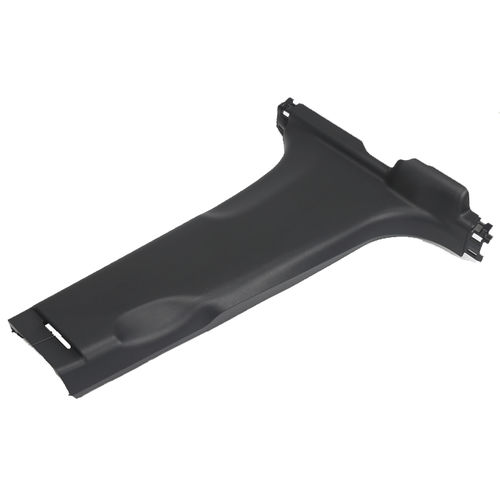
Plastic pellets are shaped into products through various processing methods. Extrusion produces continuous profiles like pipes and sheets; film blowing creates thin films and bags; injection molding forms complex 3D parts; and other methods like blow molding, thermoforming, and rotational molding cater to specific shapes and applications. After shaping, products are cooled via air, water, or mold channels.
7. Finishing and End-Use Applications
Cooled plastic parts may undergo trimming, coating, labeling, or assembly before distribution. The end products span industries such as packaging, automotive, electronics, construction, textiles, and medical devices. Plastics’ versatility stems from their adaptability to different shapes, properties, and cost requirements.
8. Broader Perspective and Sustainability
The document concludes by noting that while plastics are predominantly fossil-fuel-based, alternatives like bioplastics from corn starch or sugarcane exist. Most conventional plastics are not biodegradable, although certain types can break down under industrial composting. Understanding the full production process, from raw hydrocarbons to finished goods, helps in making informed choices for design, manufacturing, and environmental responsibility.