#Industry News
Thermoforming Vs. Injection Molding: What' s The Difference?
Thermoforming Vs. Injection Molding
1. Introduction and Core Difference
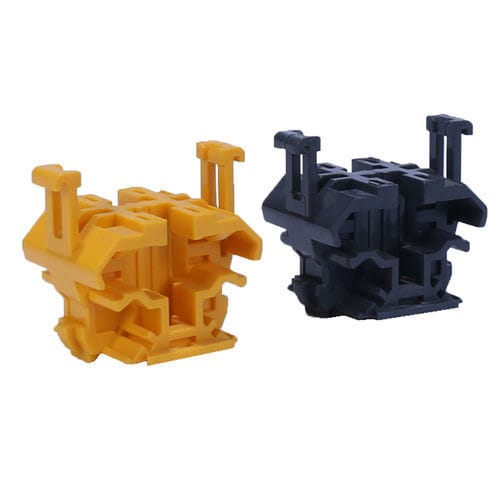
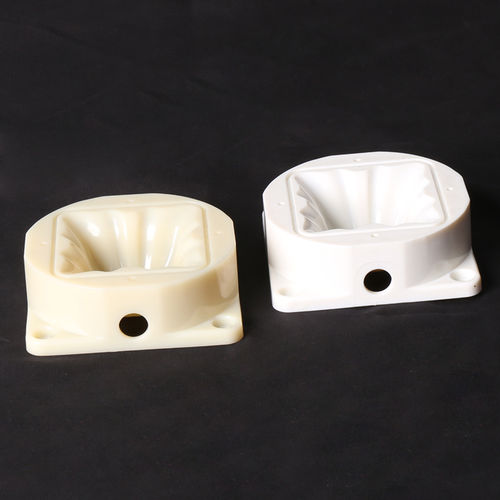
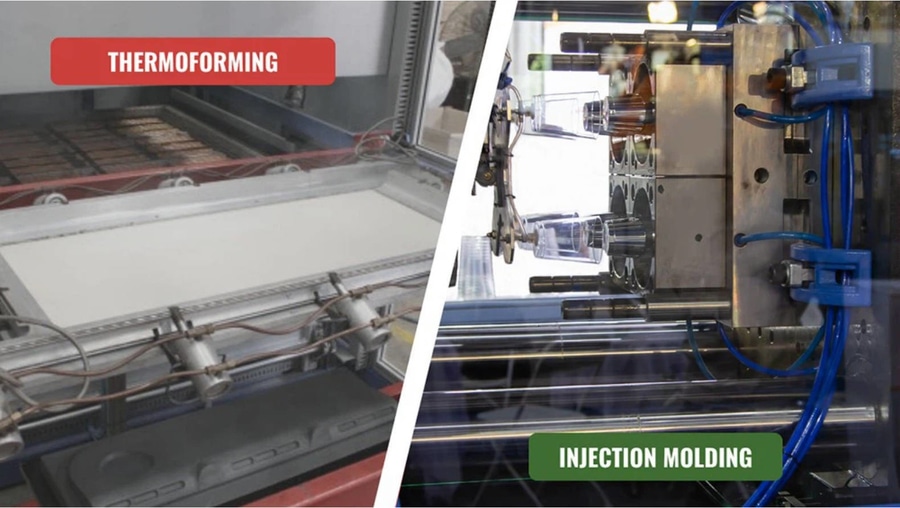
Thermoforming and injection molding are two widely used plastic manufacturing methods, but they serve different needs. Thermoforming involves heating a plastic sheet and shaping it over a single-sided mold, while injection molding injects molten plastic into a closed, double-sided mold. As a result, thermoforming is often used for large, simple parts, whereas injection molding is best for high-volume production of complex, detailed components.
2. Thermoforming Process and Variants
The thermoforming process includes heating, shaping, cooling, and trimming plastic sheets. There are several variants: vacuum forming, which uses suction to pull the sheet over the mold; pressure forming, which uses compressed air for more detailed features; and twin-sheet thermoforming, which bonds two sheets to form hollow or reinforced parts. These techniques allow for design flexibility, especially when producing lightweight or large parts.
3. Advantages of Thermoforming
Thermoforming offers lower upfront tooling costs, faster mold development, and greater flexibility in design modifications compared to injection molding. It is particularly well-suited for making large products with simpler geometries. Pre-colored or textured sheets can also be used, reducing or eliminating the need for secondary finishing operations. These benefits make thermoforming attractive for rapid prototyping and small-to-medium production runs.
4. Injection Molding: Benefits and Limitations
Injection molding, by contrast, requires higher initial investment and longer mold development time. However, once the mold is made, it delivers excellent surface finishes, repeatability, and very low per-part costs in large-scale production. It is especially effective for complex designs, tight tolerances, and mass manufacturing. Multi-cavity molds allow multiple parts to be produced simultaneously, increasing efficiency at scale.
5. Choosing the Right Method
The decision between thermoforming and injection molding depends on the project’s priorities. Thermoforming is best when budgets are limited, timelines are short, or large parts with moderate detail are needed. Injection molding is the right choice when the goal is high precision, large production volumes, or complex geometries. Both processes remain valuable, and understanding their strengths helps manufacturers choose the most efficient solution for their needs.