#Industry News
Face Milling 101: Everything You Need To Know
Face Milling
1. Introduction and Definition
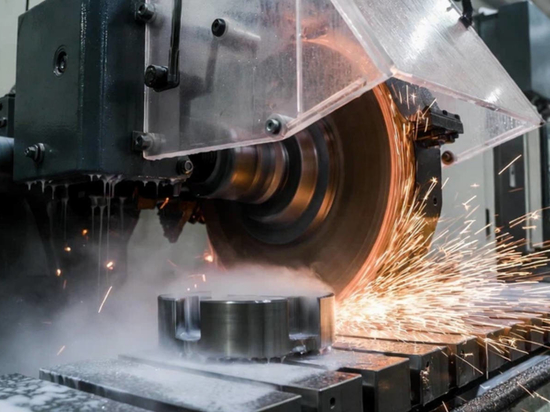
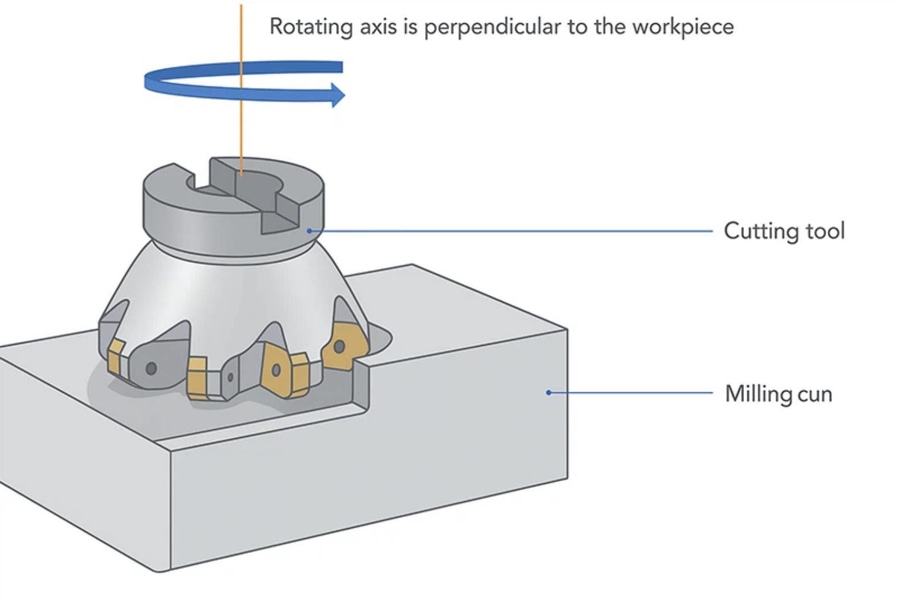
Face milling is a machining process that creates flat, smooth surfaces by cutting with the face of a rotating tool, rather than its periphery. It is commonly performed on vertical or horizontal CNC machines and is widely applied in manufacturing plates, housings, bases, and other components that require uniform flatness and surface finish.
2. Process and Operation Types
The process involves securing the workpiece, positioning the cutter, setting machining parameters, and executing programmed toolpaths. Variations include general face milling for standard surfaces, heavy-duty milling for large stock removal, high-feed milling for efficient roughing, wiper insert finishing for enhanced surface quality, climb milling for improved tool life, and side-and-face milling for shoulders or grooves.
3. Materials, Tools, and Parameters
Face milling can be applied to a wide range of materials, from aluminum and plastics to hardened steels and titanium. Tool selection includes shell mills, end mills, fly cutters, indexable face mills, high-feed mills, and button cutters. Cutting parameters, such as spindle speed, feed rate, and depth of cut, must be adjusted based on the material hardness and tooling. Proper coolant use, rigidity, and chip evacuation are crucial for efficiency and tool longevity.
4. Advantages and Disadvantages
The method offers high material removal rates, excellent surface finishes, suitability for large flat areas, and compatibility with CNC automation. However, it has limitations, such as difficulty accessing tight geometries, a lack of 3D contouring ability, reliance on rigid setups to avoid chatter, and risks of tool wear or breakage if parameters are not properly managed.
5. Applications and Comparisons
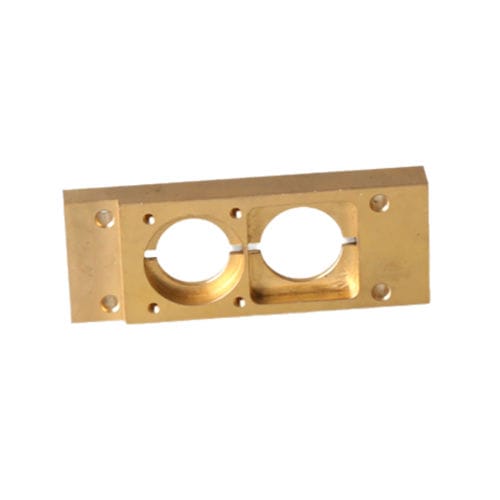
Face milling is primarily used where flatness and precision are essential, such as in base plates, mold components, and enclosures. Although tools may be more expensive upfront, the process proves cost-effective through efficiency and reduced secondary finishing. Compared with peripheral milling, face milling excels in flatness and surface finish, while end milling is more suitable for intricate details. Shell milling is essentially a form of face milling optimized with arbor-mounted cutters for high productivity.