#Industry News
What Is Pewter? Composition, Properties, And Modern Uses Explained
What Is Pewter?
1. Definition, History, and Composition
Pewter is a tin-based alloy, typically containing 85–99% tin, with small amounts of copper, antimony, or bismuth added to enhance strength and durability. Historically, older pewter formulations included lead, which gave the metal a darker patina but posed health risks. Modern pewter is lead-free, safer, and brighter, making it an ideal choice for tableware, jewelry, and decorative items. Its low melting point, silvery-gray sheen, and malleability have made pewter a versatile material throughout history, from ancient Egypt and Rome to modern manufacturing.
2. Properties, Types, and Benefits
Physically, pewter is soft, ductile, and easy to cast, with a tensile strength of about 5,000–8,000 psi and a melting range between 170°C and 230°C. Chemically, it is stable, corrosion-resistant, and non-toxic in lead-free form. Pewter comes in different types: traditional (lead-containing, now obsolete), modern lead-free alloys, Britannia metal, and specialized tin-based formulations. Its advantages include excellent castability, attractive finish, non-tarnishing qualities, affordability, and safety. However, its drawbacks are softness, susceptibility to scratches, limited mechanical strength, and sensitivity to high heat.
3. Applications, Importance, and Finishes
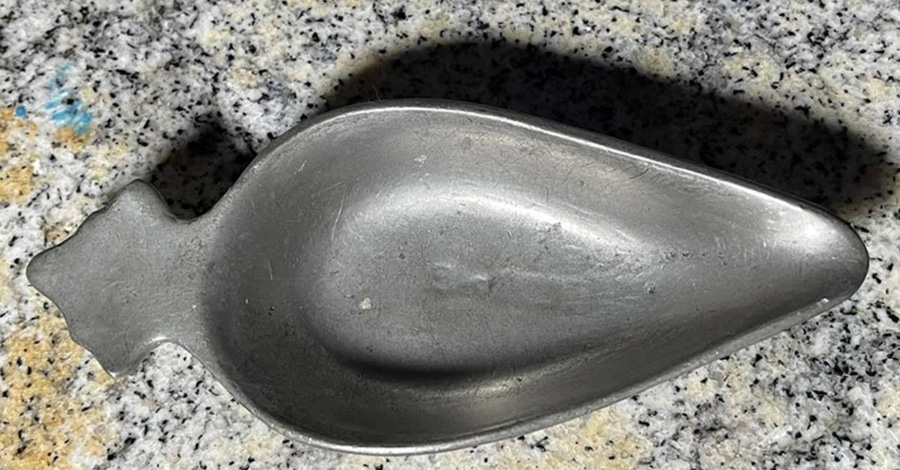
Today, pewter is used in giftware, jewelry, home décor, tableware, collectibles, religious items, and die-cast decorative components. It is also valued for artisanal and commemorative purposes, balancing beauty and practicality. Pewter can be finished in polished, matte, oxidized, antiqued, or textured styles, resembling silver while remaining cost-effective. Its importance lies not only in its historical role as a common household material but also in its continued relevance as a durable, aesthetically pleasing, and affordable alternative to precious metals.